
What buyers really need to know about a facial mask for blackhead care
A facial mask marketed for blackhead removal is not just another shelf item in beauty retail. For sourcing teams, private-label brands, and product managers, the decision usually comes down to a few practical questions: does the product look credible on shelf, does the pack size fit the channel, and is the claim set broad enough to sell without overpromising? In this case, the visible product is a black mask labeled for “anti-blackheads,” packaged in 60 g tubes and sold as a four-tube set. That tells you more than a marketing headline ever will.
Blackhead-care products sit in a crowded category. Consumers want pore cleansing, oil control, and an easy at-home routine, but they are also skeptical. One reason this segment keeps moving is that the result is easy to understand visually: if a product can help lift dirt and excess oil from the face, people feel they are getting something concrete for their money. The sourcing challenge is to balance that expectation with packaging, formulation style, and claims discipline.
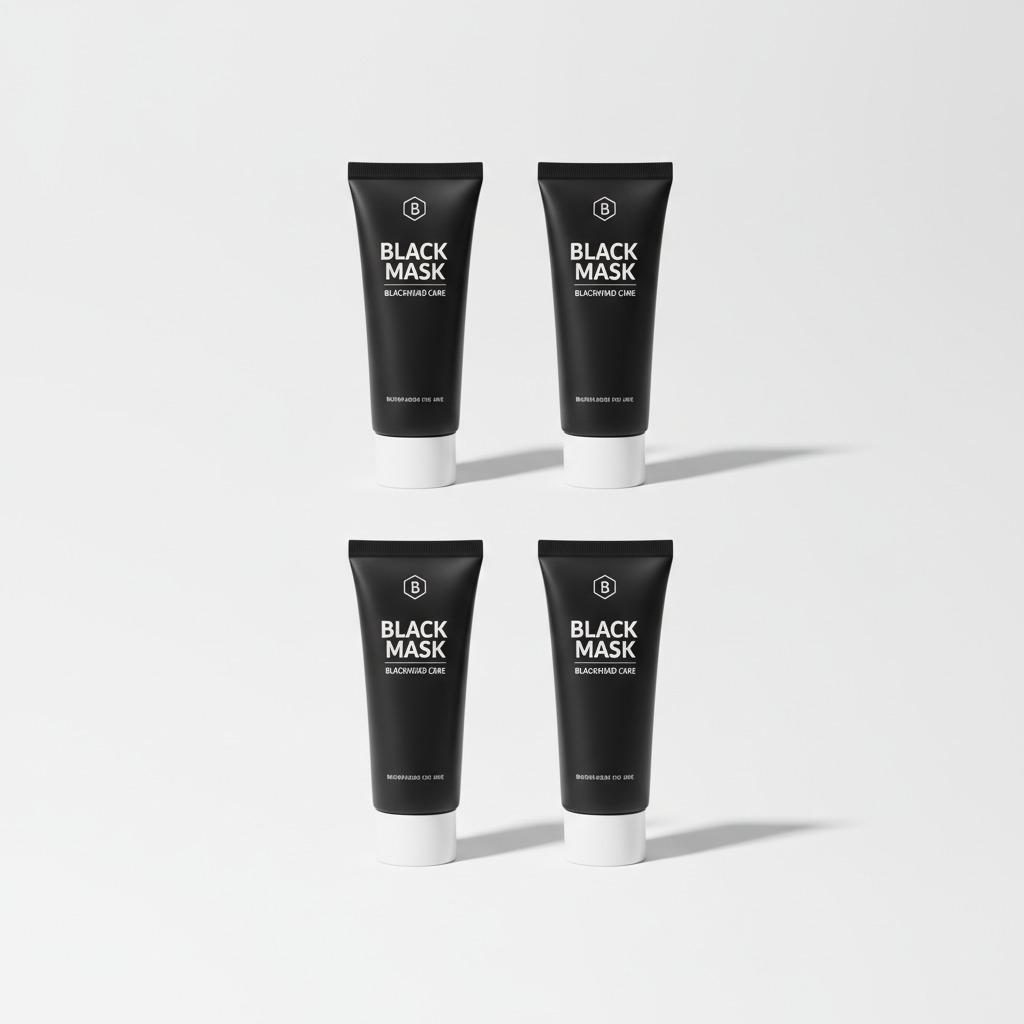
Quick read on the product format
The visible product appears to be a black cosmetic mask in opaque tubes, branded “HANSHI,” with “BLACK MASK” and “Anti-blackheads” on the label. The net content shown is 60 g per tube. Four tubes are shown, which may indicate a retail multi-pack or a display image rather than a single-unit format. The packaging is straightforward and functional, which matters in this category: consumers usually associate darker, sealed packaging with stronger cleansing products, even when the actual formula cannot be verified from the image alone.
There is one caution here. From a product image alone, you cannot confirm whether the mask is peel-off, clay-based, cream-based, or something else. That matters for procurement. A peel-off texture creates a very different user experience from a rinse-off cleanser or a wash-off mask, and those differences affect return rates, consumer complaints, and marketing language.
Why blackhead-removing masks sell, and where they fail
Products in this category usually sell for one of three reasons: they promise visible cleaning, they fit a simple home-use routine, or they pair well with broader skin care mask assortments. That last point is useful for retailers. A blackhead-focused item can sit beside hydrating, soothing, or exfoliating options and help build a more complete facial care range.
They also fail for predictable reasons. Overly aggressive claims can create disappointment. Packaging that looks cheap can make the formula feel unsafe. And if the mask is too difficult to remove, the customer may remember the mess more than the benefit. For a buyer, that is not a cosmetic detail; it is a repeat-purchase problem.
Selection criteria that matter in sourcing
Packaging clarity
Tube packaging is practical for a facial mask because it is hygienic, easy to dispense, and familiar to consumers. A 60 g format is compact enough for retail displays and trial purchases, yet still substantial enough to feel like a real skincare product. If you are building a line, that size can also work well for promotional sets or travel-friendly bundles.
Claim discipline
“Anti-blackheads” is a common phrase, but it should be handled carefully. Buyers should ask what the supplier can actually support with documentation, sample performance, or test data. If none is available, it is better to keep claims modest and general: cleansing, pore care, oil absorption, or dirt removal. That sounds less dramatic, but it is often safer and more sustainable in retail.
Formula transparency
Because the visible information does not confirm ingredients, sourcing teams should request the full INCI list, usage instructions, storage guidance, and compatibility notes for sensitive skin if available. This is especially important for international sales channels, where compliance rules vary. A buyer should never assume a black mask is charcoal-based or peel-off just because the label and color suggest it.
Common mistakes buyers make with facial mask products
The first mistake is treating all facial masks as interchangeable. A product meant for blackhead care needs a different positioning story than a hydrating sheet mask or a calming sleep mask. The second mistake is ignoring the consumer’s first-use experience. If the product stains, feels sticky, or has unclear removal instructions, the item can underperform even if the formula itself is acceptable.
A third mistake is buying solely on packaging appeal. The black tube design does help the product look focused and modern, but sourcing decisions should still be driven by formulation quality, label compliance, and the supplier’s ability to maintain consistent output across batches. In beauty, consistency is a form of quality control that buyers notice only when it goes missing.
Practical buyer advice for this product type
If you are considering a blackhead-removing facial mask for retail or private label, start by clarifying the intended use case. Is this an entry-level consumer product, a gift-set item, or part of a wider skin care mask line? Then ask for the technical basics: ingredient list, packaging material details, artwork files, and any available usage guidance. From there, compare the sensory profile of samples, not just the label claims.
For merchandising, the four-tube image suggests a multi-unit presentation that may work well for bundle promotions or store displays. For e-commerce, the visible 60 g per tube is a useful buying cue because shoppers can quickly estimate value and usage duration. Those small details often matter more than a long description on a product page.
FAQ
Is this a peel-off facial mask?
The image does not confirm that. It may be peel-off, wash-off, or another cleansing format. Buyers should verify the formula type before listing or purchasing.
Can the ingredient story be assumed from the green circle graphic?
No. The green element may suggest botanical imagery, but it does not confirm any specific ingredient or active. Treat it as design, not proof.
What is the main selling point visible here?
The clearest visible selling points are blackhead-focused positioning, 60 g tube size, and a clean retail-friendly package format.
What to request next from the supplier
If you are moving forward, ask for the formula specification, label artwork, packaging dimensions, carton configuration, and any compliance paperwork relevant to your target market. That is the point where a promising facial mask becomes a usable product rather than just a decent-looking sample. A little extra diligence at this stage usually saves a lot of correction later.