
What buyers are really looking for in a facial mask
A facial mask sounds simple on paper: apply, wait, rinse or peel, and expect cleaner skin. In practice, sourcing teams and product developers know the real job is harder. A blackhead-focused facial mask has to balance appearance, consumer feel, packaging durability, and the kind of pore-cleaning performance shoppers can notice quickly. If the formula misses that balance, the product may look good on a shelf but fail in repeat purchase.
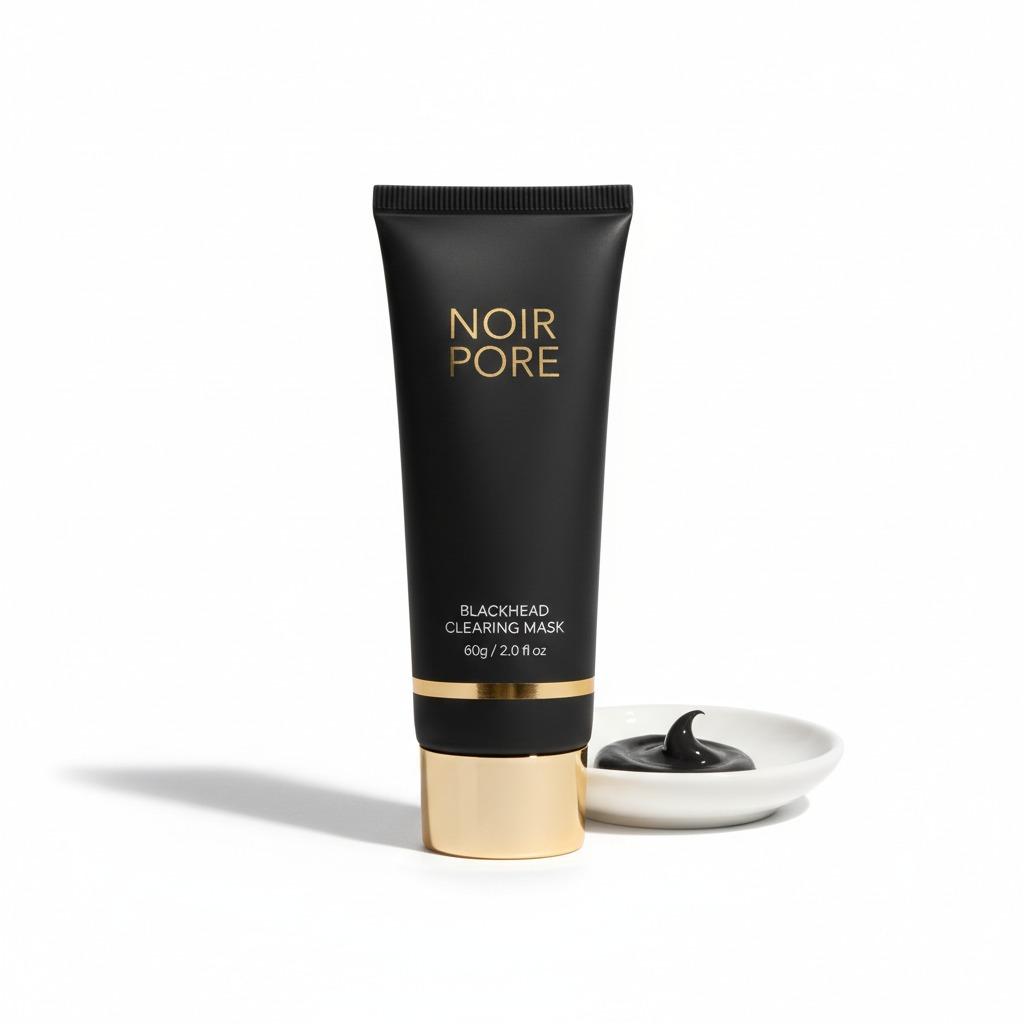
That is why blackhead-removing products are usually judged on more than the label. Buyers want to know whether the mask is meant for the nose, the T-zone, or broader face use; whether it feels like a peel-off product, a clay-based cleanser, or a cream mask; and whether the packaging supports retail presentation without leaking, cracking, or looking cheap after shipping. The image information for HANSHI shows a black squeeze tube format with a 60g net content, which is a familiar retail size for personal skincare use.
Why blackhead masks stay popular in skincare ranges
Blackheads are visible, annoying, and easy for consumers to recognize, so products that promise cleaner pores get attention fast. A skin care mask aimed at blackheads is often positioned as a practical routine item rather than a luxury treatment. That matters because a buyer is not just selecting a formula; they are choosing a product that must explain itself in a few seconds on shelf or online.
For manufacturers, the challenge is also technical. A facial mask in this category needs a texture that can spread evenly, stay on the target area, and remove surface oil or debris without feeling harsh. The exact composition of the HANSHI black mask is not provided here, so it would be unwise to guess at ingredients or claim a specific mechanism. Still, the product category itself points to a common market expectation: visible cleansing with straightforward consumer handling.
Packaging details that matter more than they seem
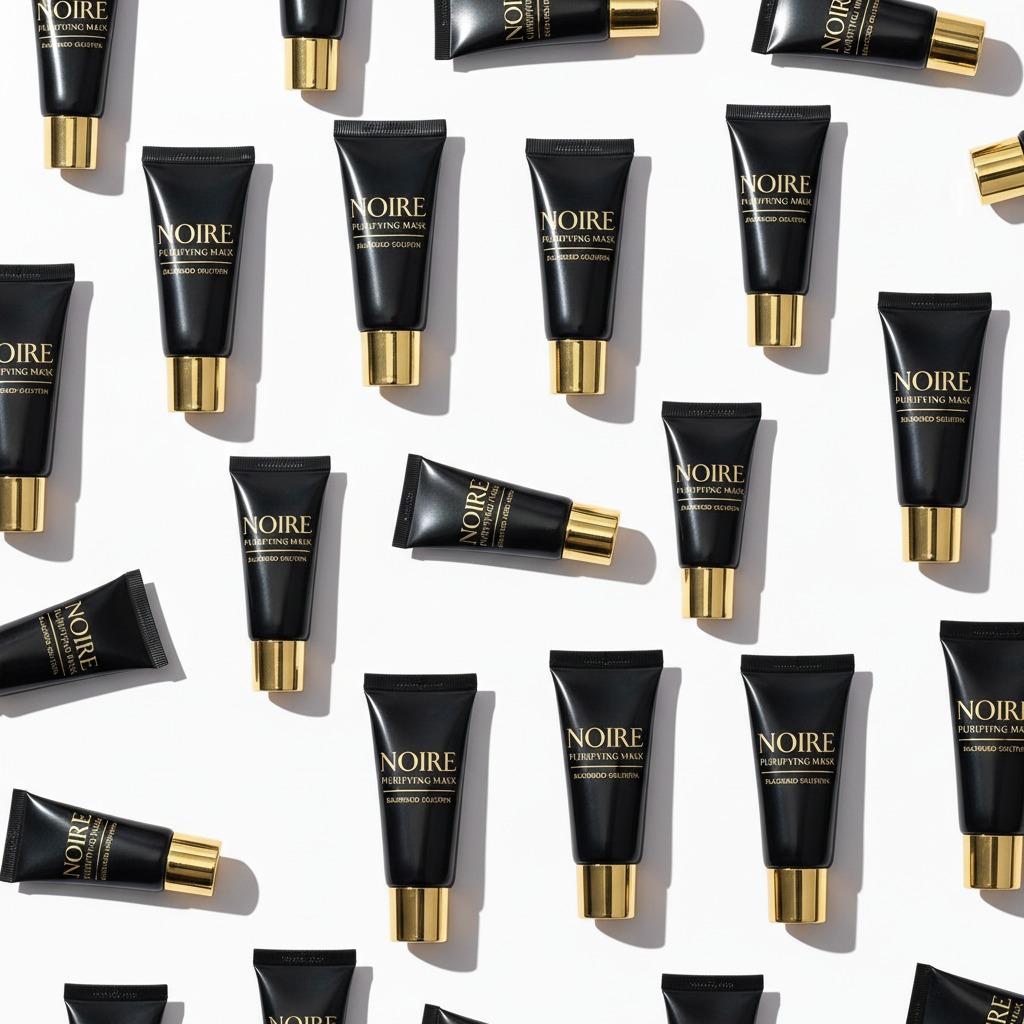
The product image shows multiple black squeeze tubes with gold accents and a bold “BLACK MASK” label. That kind of packaging tells a buyer several things. First, tube packaging is convenient for controlled dispensing and is easier to position in retail than a jar. Second, opaque black packaging can help create a strong visual identity for cleansing or detox-style products, though it also places more pressure on label clarity. If the front panel is crowded, the message can disappear.
At 60g net content per tube, the product sits in a common consumer size band. That is large enough to feel like a real routine product, but not so large that first-time buyers hesitate. For a sourcing manager, this is often a useful middle ground. It supports sampling, gift sets, or standard shelf placement without a heavy packaging footprint.
How to evaluate a facial mask before buying or private labeling
1. Confirm the mask type
Do not assume a blackhead-removing facial mask is peel-off just because it is called a “black mask.” It may be a cream, clay, or cleansing formulation. The use case changes depending on the actual texture, and so does consumer instruction.
2. Check the user story
Some skin care masks are aimed at targeted nose application. Others are broad-face cleansers. A buyer should decide which behavior the product is supposed to support, because packaging copy, carton design, and QA expectations all follow from that choice.
3. Review pack presentation and handling
Black plastic-looking tubes with screw-cap bases are practical, but only if the cap seals well and the print remains legible. In cosmetics, a small packaging failure can undo a decent formula.
Common mistakes buyers make with blackhead products
One frequent mistake is overclaiming. If a facial mask is marketed too aggressively, it can create regulatory and consumer trust problems. Another is assuming that a dark, dramatic package will compensate for unclear instructions. It will not. Shoppers need to know how much to use, where to apply it, and what result is realistic.
Another practical caution: a blackhead mask that works well for one skin profile may not suit every user. Since the product information here does not confirm skin type suitability, it is better to keep claims measured unless test data is available. That may sound conservative, but in skincare it is usually the safer commercial path.
What this product format suggests for retail and sourcing teams
The HANSHI facial mask format is straightforward: retail-friendly tube, compact content size, black-and-gold visual identity, and a blackhead-care positioning that is easy for consumers to understand. For distributors, that makes merchandising simpler. For private label buyers, it suggests a product that can be slotted into facial cleansing, pore care, or grooming assortments without a complicated story.
The decision point is not whether the package looks strong; it does. The real decision is whether the formula behind it can support the promise on the front. That means asking for material specifications, ingredient disclosure, application guidance, and any substantiated performance information before placing volume orders.
FAQ
Is a facial mask the same as a blackhead mask?
Not always. A blackhead mask is a facial mask with a specific pore-cleaning purpose, but the formula type can still vary widely.
Why does packaging size matter?
Because 60g is a familiar consumer size that helps buyers estimate value, shelf life in use, and merchandising fit.
What should I ask the supplier first?
Ask for formula type, ingredient list, application instructions, and any available product documentation. If those are unclear, treat the product as a concept rather than a finished specification.
Next step for buyers
If you are sourcing a facial mask for blackhead care, start with the basics: confirm the formula type, review packaging quality, and verify what claims can actually be supported. A product like the HANSHI black mask may be visually strong, but the commercial decision should rest on more than appearance. Request full specifications before you commit to retail launch or private-label development.