
What a facial mask buyer is really trying to solve
A facial mask may look like a simple retail item, but for buyers it usually sits at the intersection of performance, shelf appeal, and repeat purchase potential. In the case of a blackhead-removing facial mask, the decision is even more practical: consumers want something that appears to cleanse pores, lift away dirt, and fit into a routine that feels quick enough to repeat. For brands and sourcing teams, that means the product has to do two jobs at once. It must look credible on the shelf, and it must match the promise printed on the tube.
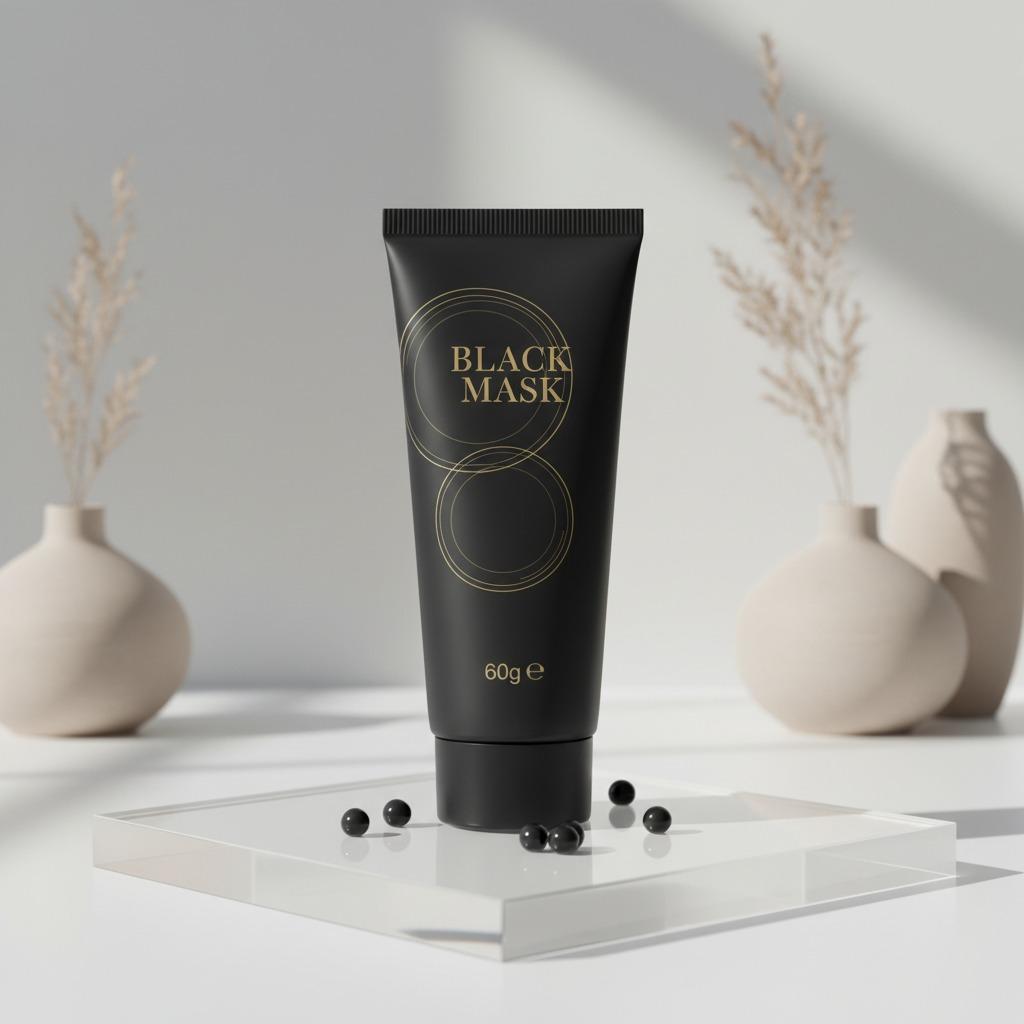
The product details provided here point to a black mask format sold in black squeeze tubes, each marked “BLACK MASK” and “NET CONTENT: 60g.” That kind of packaging tells you a lot about the intended market. It is compact, easy to display, and suitable for beauty retail or e-commerce bundles. It also suggests a private-label or branded personal care item rather than a highly specialized clinical formula. The exact ingredient system is not visible, so any buying decision should start with the formulation documentation, not just the artwork.
Why blackhead-removing masks remain a steady category
Blackheads are one of those problems that keep skincare products relevant year after year. Consumers may not describe them with technical precision, but they understand the basic complaint: clogged pores make the skin look dull, uneven, and less clean than it should. A skin care mask positioned for blackhead removal gives brands a very clear value proposition. It is not trying to be everything. It is trying to solve one visible concern.
That clarity matters in manufacturing too. Products marketed for deep cleansing, dirt absorption, and anti-blackheads often rely on the perception of immediate effect. If the texture is too thin, the product may seem weak. If the packaging looks generic, it can disappear next to stronger shelf competitors. If the claim language is too aggressive, it may invite compliance problems or consumer disappointment. The best buyers understand that the promise, the formula, and the package have to line up.
Quick buyer check: what should be reviewed first
Before placing a facial mask order, procurement teams usually need to confirm a few basics. First, ask what type of formula it is. The image suggests a topical paste or gel, possibly a peel-off or wash-off format, but that cannot be confirmed from the packaging alone. Second, verify the ingredient list and any restrictions related to target markets. Third, review the label claims carefully. “Blackheads-removing,” “anti-blackheads,” and “pore-shrinking” sound useful for marketing, but they may need support or adjustment depending on the region.
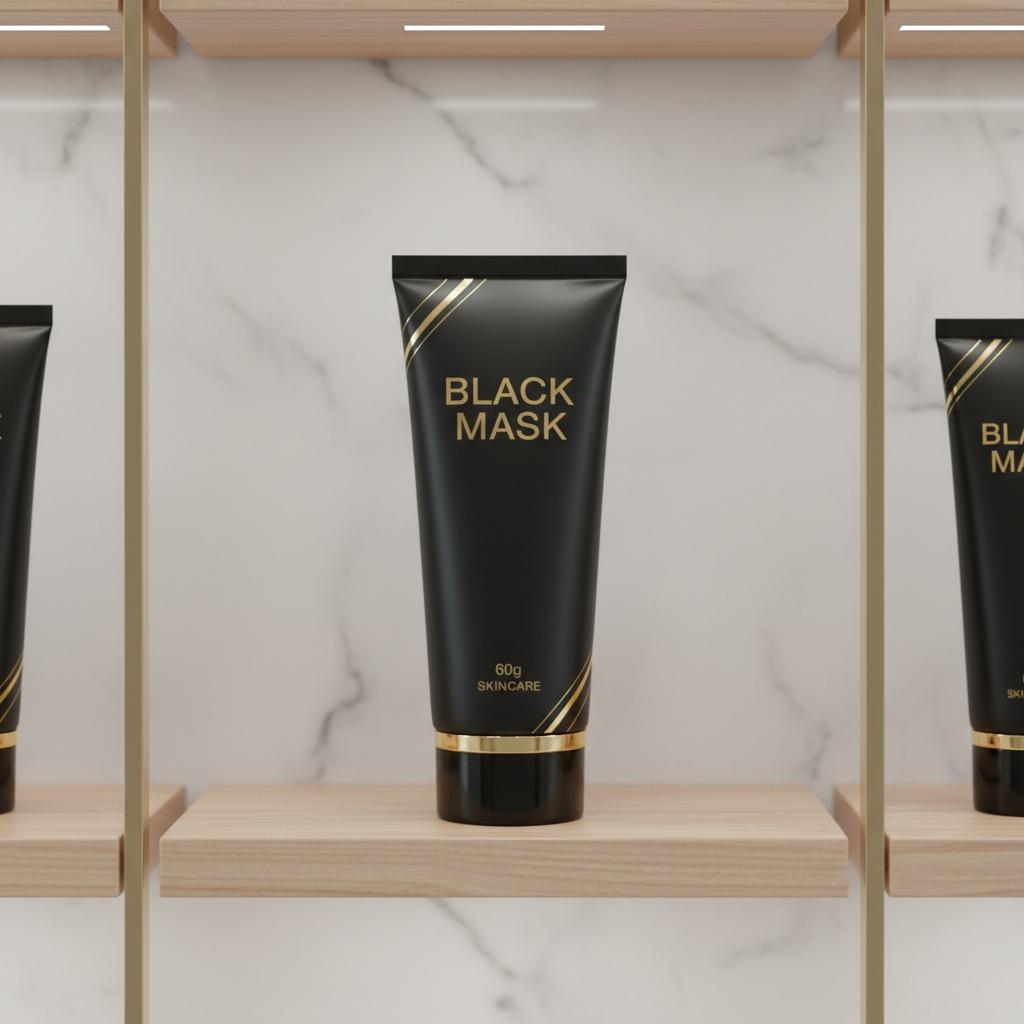
Packaging should not be treated as an afterthought. A black tube with gold accents and a visible 60g fill size gives the product a more premium retail presence than a plain bottle, even if the formula inside is similar. For e-commerce, the tube shape also photographs well and is easy to understand at a glance. Small advantages like that often matter more than teams admit.
Material, format, and retail positioning
From the available product information, the visible format is a cylindrical squeeze tube with a matte black appearance and gold label details. That packaging style is common in cosmetic skincare because it is efficient to fill, easy to close, and familiar to consumers. The product name “Blackheads-removing Facial Mas…” suggests the category is broad enough for facial cleansing use, not just one narrow treatment step.
For a sourcing manager, the main question is whether the product is meant to sit in mass retail, salon retail, online beauty channels, or private-label kits. A facial mask with black mask branding can work in all four, but not in the same way. Mass retail usually demands stronger visual clarity. Salon retail can support a more technical story. Online channels need strong photography and simple claim language. Private-label buyers often want packaging that can be customized without losing the core product identity.
Common mistakes buyers make with this category
The most common mistake is treating every blackhead-removing facial mask as if it were interchangeable. It is not. Formula type, viscosity, application feel, and removal method all affect consumer satisfaction. Another frequent issue is overclaiming. A label that promises too much can boost curiosity but damage repeat sales if the user experience feels ordinary. There is also the practical matter of skin sensitivity; buyers should not assume a product suits every user simply because it is sold as a cleansing mask.
One more caution: do not rely on packaging language alone. Terms like “deep cleansing” and “blackhead remover” are useful for positioning, but they do not replace testing, stability review, or regulatory checks. That may sound obvious, yet it is where many fast-moving beauty launches go sideways.
What product teams should ask a supplier
If you are sourcing a skin care mask in this category, ask for the formula type, INCI list, intended usage instructions, packaging specifications, and supported label claims. Confirm whether the product is a peel-off mask, wash-off mask, or another format entirely. Ask for sample units in the actual tube, not just bulk material. A product that looks fine in a lab jar can behave differently once it is packed into a 60g retail tube.
It is also worth asking how the design will hold up across channels. A black matte tube with a green circular graphic and gold accents may look strong in a product image, but the final print quality and finish matter on the shelf. Print registration, cap fit, and squeeze consistency are not glamorous topics, yet they often decide whether a product feels trustworthy.
FAQ
Is this facial mask confirmed to be peel-off?
No. The available information does not confirm whether it is peel-off or wash-off. That should be verified with the supplier.
Can the product claims be taken at face value?
The visible claims indicate blackhead removal, anti-blackheads, pore-shrinking, and deep cleansing, but buyers should request substantiation and market-specific compliance review.
Why does the 60g tube size matter?
Because it helps define retail positioning, usage expectations, and shipping efficiency. It is a useful reference point for pricing, display planning, and consumer perception.
Next step for buyers
If your goal is to source or private-label a facial mask in this category, start with the sample, the formula sheet, and the packaging spec. The image gives a useful first impression, but not enough to approve a purchase. A good blackhead-removing product has to balance appearance, claim discipline, and user experience. That is the part worth checking before the artwork is finalized.