
What buyers usually mean when they ask for a lithium battery enclosure or pack
When engineers or sourcing teams talk about a lithium battery, they are often not looking only at the cells themselves. In many projects, the real decision is about how the battery system is packaged, protected, serviced, and integrated into the wider electrical assembly. That is where an industrial enclosure, battery pack housing, or power distribution box becomes part of the conversation.
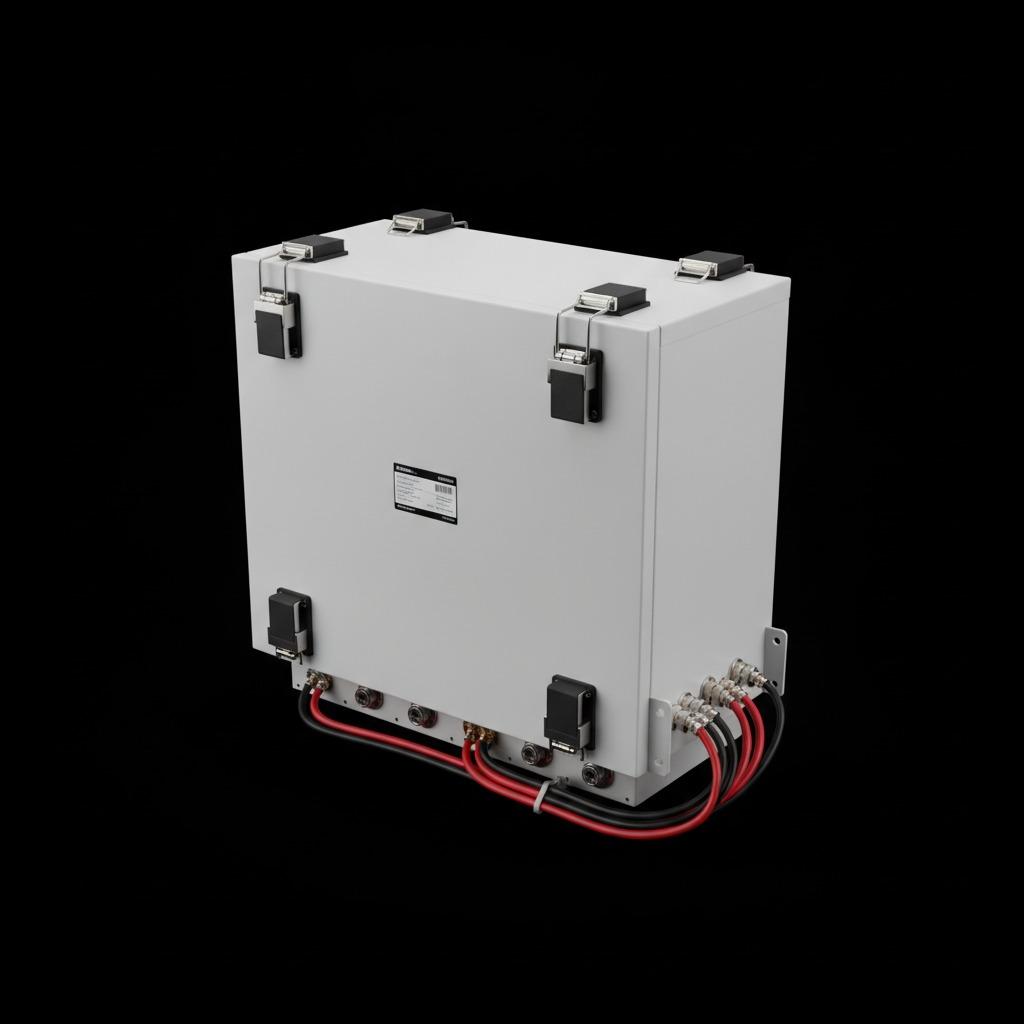
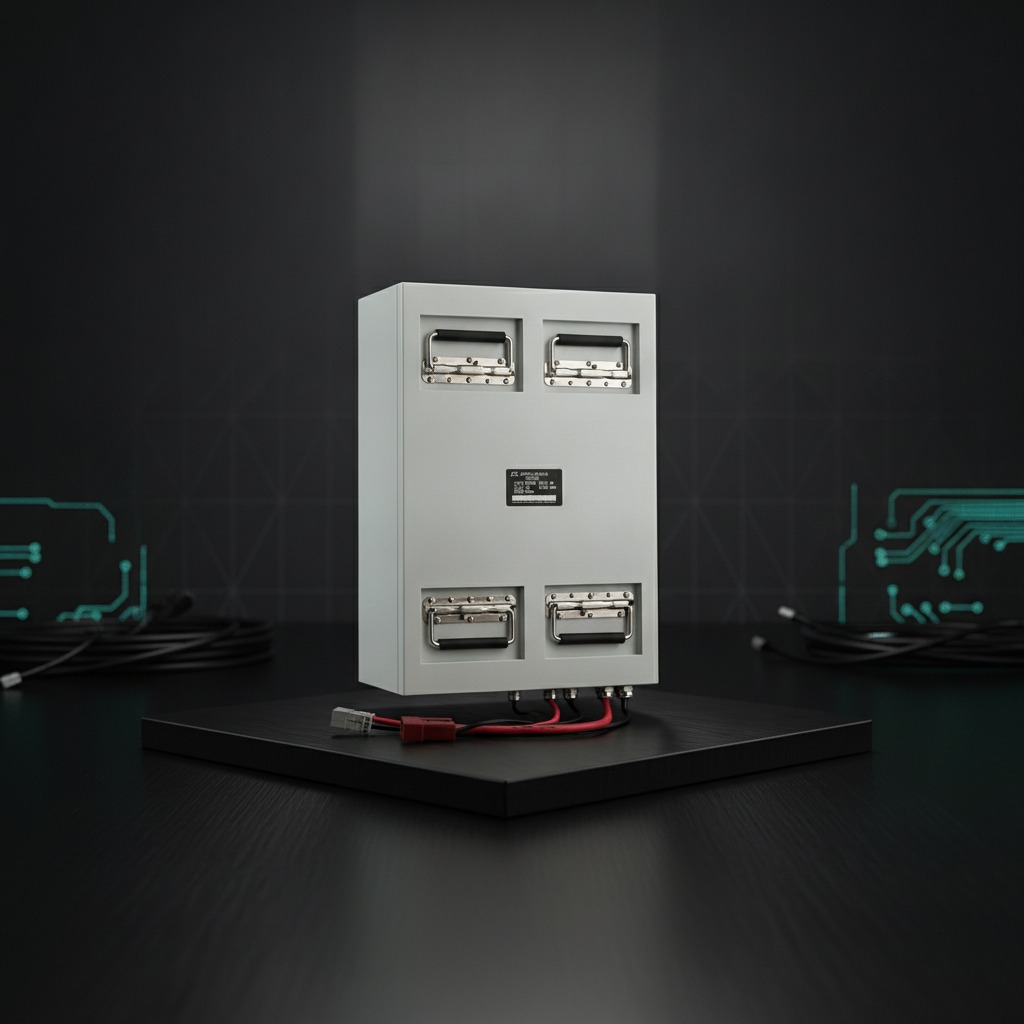
The visible product in this case looks like a white, rectangular metal cabinet with four front access sections and several bottom cable exits. That suggests a system built for controlled electrical integration rather than a loose consumer battery module. For buyers, the practical question is not just “Does it store energy?” but “Can it be installed safely, serviced without disruption, and routed cleanly into the rest of the system?”
That distinction matters more than it first appears. In industrial equipment, telecom backup power, control systems, and energy storage projects, the enclosure often determines how dependable the battery solution feels in the field. A well-designed housing reduces cable strain, helps isolate service points, and makes maintenance less awkward than it would be with a bare or improvised assembly.
Quick takeaways for sourcing teams
If you are comparing options for a lithium battery system, a lithium polymer battery assembly, or a LiPo battery-based module, the most useful evaluation usually starts with the enclosure and connection architecture.
A few visible cues from this type of product are worth noting:
The cabinet is sheet-metal based, which generally suits industrial electrical packaging.
There are four front access sections with latch-style hardware, suggesting serviceability or compartmental access.
Several cable exit points at the bottom indicate a design intended for hardwired connections and external routing.
The red insulated cables and inline connectors suggest power-related interfaces rather than decorative or low-load wiring.
That is not enough to identify the exact internal function, and it would be risky to pretend otherwise. But it is enough to tell a buyer this is not a simple off-the-shelf consumer battery box. It is closer to an integrated electrical module, where enclosure quality and cable management matter as much as the battery chemistry inside.
Why the enclosure is part of the battery decision
Battery buyers often focus first on chemistry, capacity, and runtime. Fair enough. Those are important. But in the field, many failures come from the unglamorous parts: poor strain relief, loose access hardware, messy terminations, or insufficient room for maintenance.
A lithium battery system can be technically sound and still perform badly in practice if the housing makes installation difficult or creates weak points for vibration, heat, or repeated servicing. Industrial customers know this. A control cabinet or battery enclosure that uses robust front closures and organized cable exits can reduce rework on site and lower the chance of accidental damage during commissioning.
With lithium-based systems, that caution is even more relevant. Lithium chemistry is energy dense, which is one of its main advantages, but it also means packaging discipline matters. Clean cable routing, secure access panels, and a stable enclosure layout are not cosmetic details. They are part of the system’s risk control.
What the visible structure suggests about manufacturing
From the outside, the product appears to combine sheet metal fabrication with electrical assembly. That typically means the maker needs competence in two different disciplines: mechanical enclosure production and electrical integration.
On the fabrication side, a rectangular cabinet like this usually depends on accurate cutting, bending, welding or fastening, surface finishing, and alignment of the access hardware. The white painted or powder-coated finish suggests a standard industrial protective coating, which is often used for appearance as well as corrosion resistance. That does not tell us the exact coating specification, and it should not be read that way, but it does point to a production environment familiar with metal cabinets rather than hobbyist assembly.
On the electrical side, the bottom cable terminations, connector points, and heavy-duty wiring imply that the enclosure is meant to handle more than light signal routing. Buyers should look closely at how the cable glands, connector interfaces, and internal support structures are arranged, because that is where field reliability often lives or dies.
Why multiple front access sections can be useful
Four separate front access compartments may indicate segmented access for maintenance, inspection, or protected internal modules. In practical terms, that can make a system easier to isolate during service. It can also help if different subassemblies need to be replaced or inspected without opening the entire cabinet.
That said, more access points also mean more hardware, more sealing surfaces, and more chances for assembly inconsistency if the supplier is weak on process control. Buyers should not assume “more compartments” automatically means better design. Sometimes it does. Sometimes it just means the integration is more complex.
Lithium battery, lithium polymer battery, and LiPo battery: not the same purchasing problem
These terms often get mixed together in sourcing discussions, but the buying criteria are not identical.
A lithium battery is the broad umbrella. It can refer to many chemistries and form factors used in industrial, commercial, and consumer systems.
A lithium polymer battery usually refers to a lithium-based cell design that uses a polymer electrolyte structure or pouch-style packaging in many commercial contexts.
A LiPo battery is commonly used as shorthand for lithium polymer battery, especially in consumer and lightweight power applications.
For an industrial enclosure like the one described here, the key issue is less about the shorthand term and more about how the battery module is built into the cabinet. Different chemistries may call for different spacing, support, insulation practices, and service considerations. Buyers should be careful not to let the chemistry term distract from the mechanical and electrical integration requirements.
Selection criteria that matter in real projects
If you are evaluating suppliers or comparing battery cabinet designs, the following practical points deserve attention.
First, check cable routing. Bottom exits can be useful because they keep wiring organized and reduce visible clutter, but they also need proper strain relief and enough clearance for installation.
Second, inspect access hardware. Latch assemblies and handles should feel solid, align cleanly, and be repeatable across multiple units. When the hardware looks overused or inconsistent, that often hints at process drift elsewhere.
Third, ask about internal layout support. Even if the exterior is tidy, the internal mounting scheme must keep components stable under vibration and service access.
Fourth, confirm how the enclosure will be used. A battery storage system, telecom backup unit, or power distribution cabinet all have different expectations. One supplier’s “general purpose” metal box may not be sufficient once real installation constraints appear.
Fifth, do not skip documentation. For lithium battery-related assemblies, buyers should expect clear drawings, wiring identification, service guidance, and installation notes. If that material is vague, the product is usually more difficult to deploy than the sample suggests.
Common mistakes buyers make
The most common mistake is treating the enclosure as a secondary detail. It is not.
Another mistake is specifying the battery chemistry first and the mechanical package later. That often leads to late changes, awkward cable exits, or a cabinet that does not match the service workflow.
A third mistake is assuming a neat-looking front panel means the design is finished. The back, the bottom terminations, the connector protection, and the internal clearance matter just as much.
And one more practical warning: if a supplier cannot clearly explain the purpose of the access sections or cable terminations, slow down. In electrical products, unclear assembly logic is a bad sign even when the exterior looks polished.
Buyer questions worth asking before approval
A sourcing manager or engineer reviewing this type of product should ask a few direct questions:
What internal function do the four front access sections support?
Are the bottom cable exits fixed with proper glands or connector hardware for repeated service?
What materials and finish are used on the enclosure body?
How is the internal electrical assembly supported and isolated?
Which installation environment is the product intended for: control systems, backup power, telecom, or energy storage integration?
Those questions may sound basic, but they often reveal whether a supplier understands the real application or is just assembling parts around a generic cabinet.
FAQ for practical sourcing
Is this definitely a battery pack?
Not from the exterior alone. It appears to be an industrial electrical enclosure or battery-related power module, but the internal contents are not visible, so it would be inaccurate to state that with certainty.
Why does the cabinet need multiple cable exits?
Multiple exits usually help route power connections cleanly and reduce congestion. In high-current or multi-connection assemblies, that can make installation easier and safer.
Should I care about the latch hardware?
Yes. Access hardware affects service speed, panel security, and long-term durability. In industrial products, a weak latch can become a recurring maintenance issue.
Is a lithium polymer battery the same as a LiPo battery?
In most purchasing conversations, yes, LiPo battery is commonly used as shorthand for lithium polymer battery. Still, confirm the exact chemistry and package style when the design is critical.
A sensible next step for engineers and sourcing teams
If you are evaluating a lithium battery-related enclosure or integrated power cabinet, start with the installation reality rather than the brochure language. Review the cable path, service access, internal mounting logic, and how the enclosure will behave after months of field use. That will tell you more than a list of generic product claims.
For buyers comparing suppliers, request drawings, wiring details, and assembly photos that show both the exterior and the internal layout. If the supplier can explain the cabinet in mechanical and electrical terms, you are probably dealing with a more capable manufacturing partner. If they cannot, that is worth noticing before the project moves forward.