
Plastic Flower Pot: a simple part that still deserves careful buying
A Plastic Flower Pot looks like the easiest item on the shelf to source, but anyone who has bought for a nursery, retail floor, or home-garden line knows it can create avoidable problems. The wrong pot chips margins through breakage, looks cheap on display, or forces extra handling in packing and shipping. The right one disappears into the background and lets the plant do the selling.
That is why buyers should treat flower pot selection as a practical manufacturing decision, not just a color choice. If you are comparing plastic pots for plants for resale, landscape use, or everyday home décor, the real question is not whether the pot is “just plastic.” It is whether the form, finish, weight, and usability fit the plant, the channel, and the customer’s expectations.
This article looks at what matters when choosing a flower pot plastic product: how it is typically made, why the shape matters, where the common pitfalls are, and what a sourcing manager or product team should check before placing an order.
Why this category keeps winning shelf space
Plastic pots remain popular because they solve several problems at once. They are generally lighter than ceramic or clay, easier to carry in volume, and less likely to crack during transit. For growers and retailers, that matters. A pot that can be stacked or nested efficiently can cut packaging pain. A pot that presents neatly on a shelf can improve the perceived value of the plant inside.
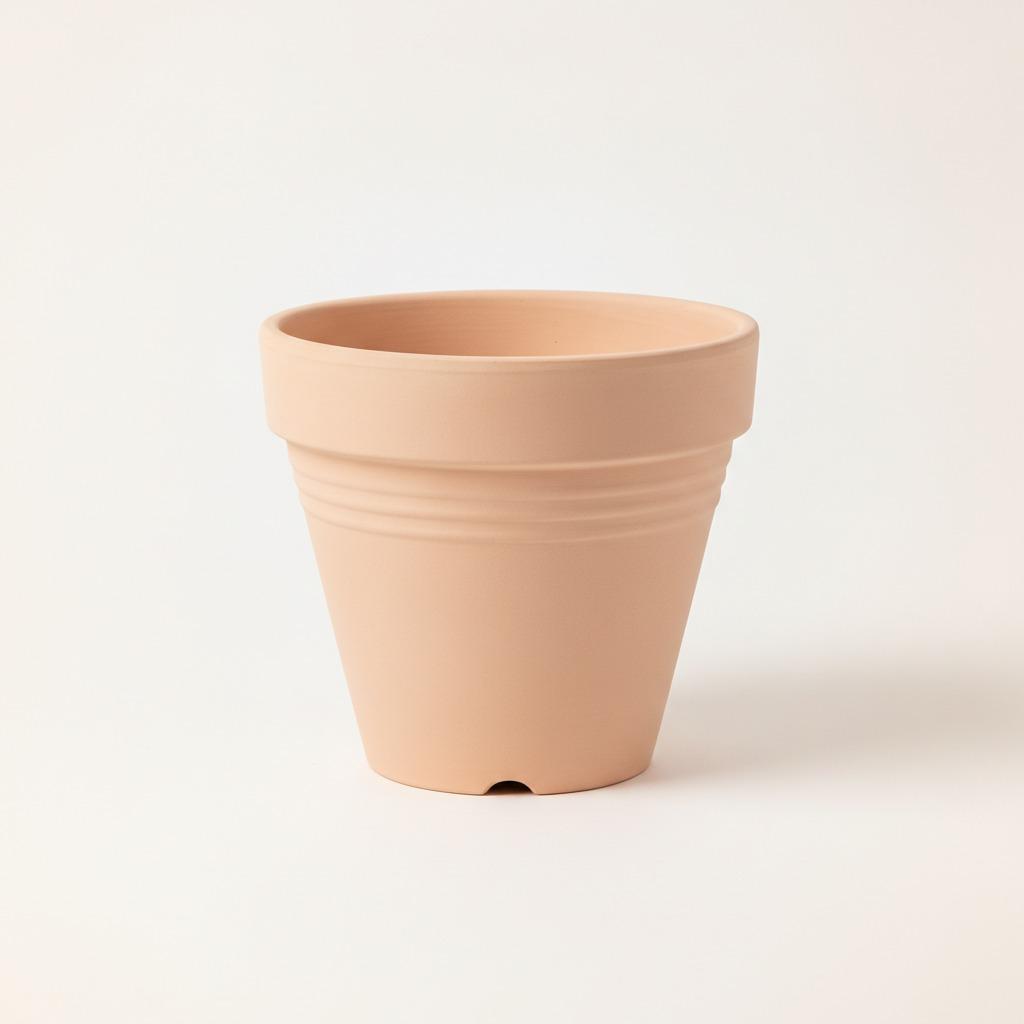
The round plant pot described here follows a familiar commercial pattern: a tapered cylindrical body, a wide rolled rim, and shallow decorative bands around the upper body. That shape is not an accident. The taper helps stacking and release from a mold if the product is injection molded. The rolled rim gives a finished look and can make handling easier. The bands add visual texture without turning the pot into something fussy.
The matte peach or terracotta-like finish also matters more than people think. Neutral, earthy colors tend to work across multiple plant types and décor styles. They do not fight with the leaves, flowers, or surrounding furniture. For a buyer, that makes the same product more reusable across channels.
What the physical design tells you
A buyer can learn a lot from the geometry before ever asking for a spec sheet.
The open top and tapered body suggest a planter intended for general use: seedlings, herbs, small flowers, or decorative potted plants. The wide rim gives the pot a more substantial visual edge, which can make a lightweight item look less flimsy. The shallow ridges are modest, but they create light-shadow variation and keep the surface from looking completely plain.
There is also a practical side to the shape. A slightly narrowed base can improve stability in some settings, though the actual stability depends on size and how the pot is loaded with soil and moisture. That is one of those details buyers sometimes overlook. A pot can look fine empty and still feel awkward once filled, especially on a balcony rail or crowded retail table.
One caution: the presence of decorative ridges does not automatically mean better performance. They may improve appearance, but they do not tell you anything reliable about UV resistance, drainage, or long-term outdoor durability. Those must be verified separately.
Likely manufacturing approach: what to expect, and what not to assume
The product appears to be a molded plastic planter, and injection molding is a plausible process for this type of part. That said, it should be treated as likely rather than confirmed unless the supplier states it clearly.
Why does the process matter? Because it affects consistency, tooling cost, surface finish, and how much detail can be built into the product. A molded pot can offer repeatable shape and clean edges, which is useful for retail presentation. It can also support nesting and stackability, both of which matter in distribution.
But buyers should resist the temptation to infer too much from appearance alone. A molded look does not tell you the exact polymer, wall thickness, recycled content, or whether the item is suited to sun exposure. Those factors affect real-world performance and should be discussed with the supplier. In other words: do not buy a whole container load based on a nice photo of a pot that “looks sturdy enough.” That is not sourcing; that is guessing.
Quick-reference buyer view
Best fit for
Nursery packaging
Retail plant display
Home gardening and patio décor
Small decorative plant programs
Seasonal merchandising
Strengths to look for
Lightweight handling
Reusable form
Neutral visual appearance
Potential for efficient stacking
Low breakage risk compared with brittle materials
Points to verify before ordering
Exact material type
Drainage holes, if required for your use case
Dimensions and capacity
Outdoor weathering expectations
Color consistency across production lots
Packaging method for shipping and display
Where buyers often go wrong
The biggest mistake is treating every flower pot as interchangeable. They are not. A nursery tray pot and a decorative retail planter may look similar in a catalog image, but the end use is very different. Growers may care most about cost, handling, and stackability. Retail buyers may care more about finish, shelf appeal, and whether the pot helps the plant sell at first glance.
Another common error is ignoring drainage requirements. The information available here does not confirm drainage holes, and that is exactly why buyers should ask. For many plant applications, drainage is not optional. For decorative cover pots or certain indoor programs, the answer may be different. Either way, the decision should be intentional.
A third problem is overestimating outdoor suitability. A plastic pot can be ideal for a patio or balcony, but only if the material and formulation can handle the environment. Sun, heat, and repeated wet-dry cycles are hard on some plastics. If the product will live outdoors, that question needs an answer from the supplier, not a hopeful assumption from procurement.
How to evaluate a supplier’s sample without getting distracted by appearance
A clean-looking sample is useful, but it is only the starting point. When evaluating plastic pots for plants, focus on the handling details that tend to become complaints later.
Check whether the rim feels uniform and comfortable to grip. Uneven rims can be a sign of inconsistent molding or weak finishing. Look at the base for flatness and whether the pot sits steadily on a table. If the pot will be shipped nested, test how easily samples separate. Some pots stack well in theory and stick annoyingly in practice.
Also pay attention to visual consistency. Matte finishes can hide minor scuffs better than glossy ones, which is one reason they are attractive for commercial use. Still, color matching matters. A terracotta-like peach tone can be versatile, but only if the shade stays consistent from lot to lot.
If you are buying for a retail program, put a planted sample on display and step back. This sounds obvious, but it is worth doing. A container that looks acceptable in hand may disappear too much on a shelf, or it may visually compete with the plant. Trade buyers know that product does not live in a vacuum; it lives next to other products, under harsh light, with hurried customers making snap judgments.
Product positioning: when the plain option is the right option
There is a temptation in consumer goods to add more detail, more texture, or more color. Sometimes that helps. Often it just complicates the line and raises inventory headaches.
A straightforward Plastic Flower Pot with a neutral matte finish can be the smarter commercial choice when you need broad appeal. It works across seasons. It can be paired with different plant types. It is easier to merchandize in volume. For buyers supporting mass retail, garden centers, or general home décor, that simplicity can be an advantage rather than a compromise.
The point is not to choose the least expensive thing on the page. The point is to choose a container that serves the plant, supports the brand image, and does not create avoidable logistics costs.
FAQ
Is this type of pot suitable for seedlings and herbs?
It appears suitable for small plant applications such as seedlings, herbs, and compact ornamental plants, but the final answer depends on size, drainage, and the specific growing program.
Can this be used for home décor?
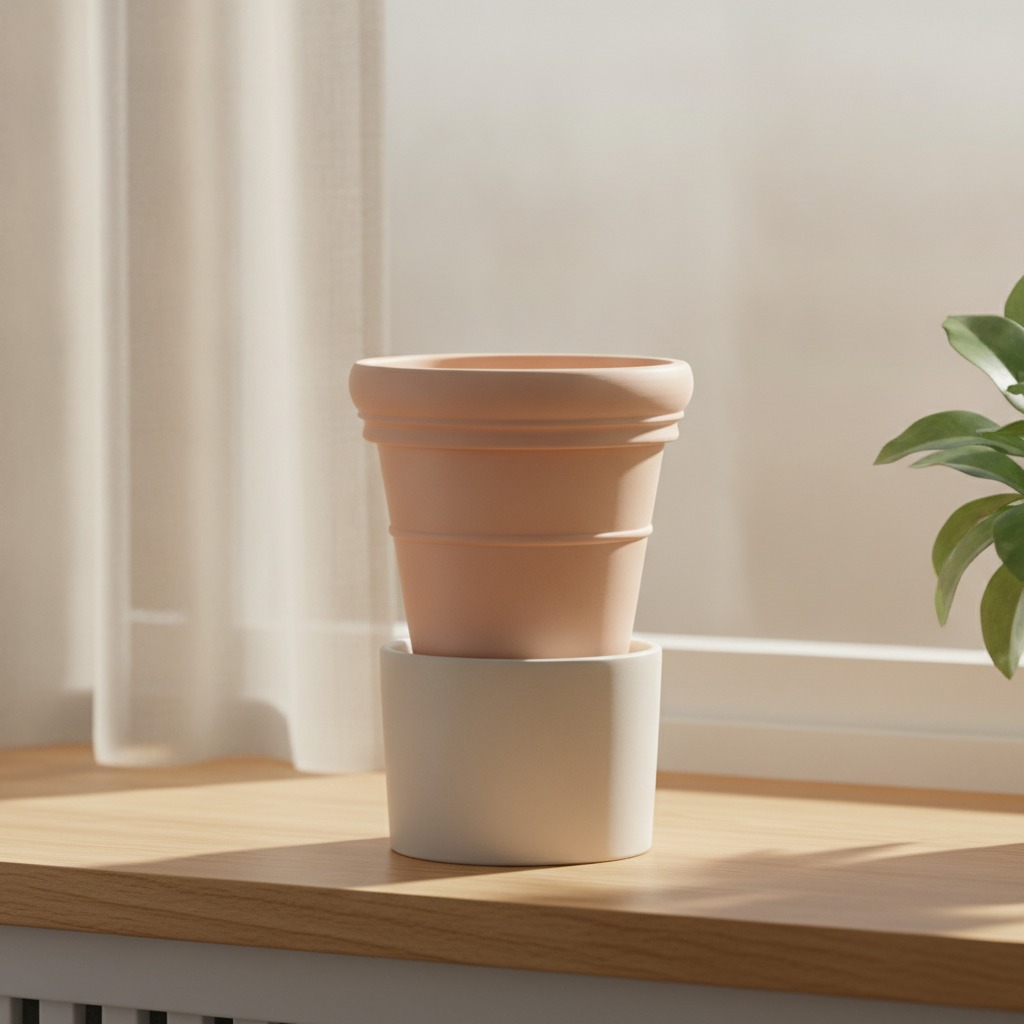
Yes, the matte terracotta-like look and simple tapered profile make it a reasonable decorative container for interiors or sheltered outdoor spaces, assuming the size and finish fit the setting.
Is injection molding confirmed?
No. It is a likely process for a product of this shape, but it should not be stated as fact unless the manufacturer confirms it.
What should I ask before buying in volume?
Ask about material type, dimensions, drainage configuration, stacking behavior, surface finish consistency, and whether the pot is intended for indoor or outdoor use.
A practical next step for sourcing teams
If you are sourcing a Plastic Flower Pot line, ask for a sample, a dimensional drawing, and a clear statement of intended use before you compare price. That small step filters out a lot of weak options early. For a product that seems simple, the commercial outcome still depends on details: shape, finish, handling, and whether the pot suits how your customers actually plant and display.
When the goal is a reliable, reusable planter that works across retail and home-garden channels, a well-designed flower pot plastic option can be the right call. Just make sure the supplier can speak in specifics, not just in pictures.