
Why the right Plastic Flower Pot matters more than it first appears
A Plastic Flower Pot looks like a simple purchase until you have to move a tray of them, stack them in storage, or explain to a retail buyer why one shape sells faster than another. For engineers, sourcing managers, and product teams, the decision is not really about a pot alone. It is about handling, cost, display, shipping efficiency, plant fit, and whether the item will feel cheap or dependable in the customer’s hand.
That is why plastic pots for plants deserve a more practical review than they usually get. The wrong profile can create shipping waste or awkward merchandising. The right one can improve shelf appeal, support easier nursery operations, and make a decorative plant look finished without adding unnecessary weight. For many buyers, the question is not “Do we need a planter?” It is “Which planter shape will work across production, storage, and sales?”
What this style of planter is designed to do
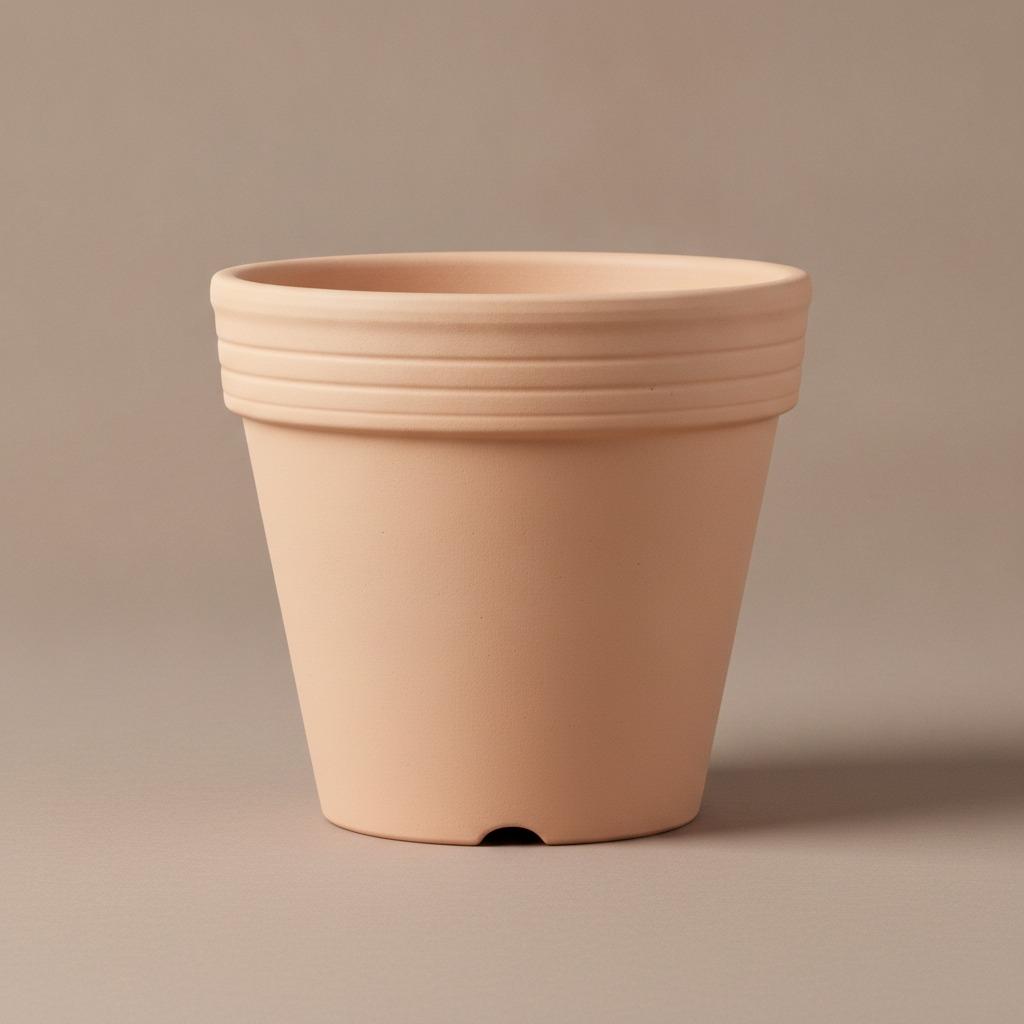
The product here is a round plant pot or flower planter with an open top, a tapered body, and a wide rolled rim. That geometry tells you quite a bit. It is built to hold soil and a plant securely, while still being easy to handle during planting, moving, and display.
The visible finish appears terracotta-colored with a matte, smooth surface and no obvious glazing. That gives it a more traditional garden look while still keeping the manufacturing and handling advantages associated with molded plastic. The subtle ribbing near the upper body and midsection also adds a little visual structure, which can help a planter look less plain on a retail shelf.
There is one practical point buyers sometimes overlook: a planter does not need to be complicated to be effective. In home gardening, balcony use, patio setups, nursery staging, or decorative indoor display, the real value often comes from a shape that is easy to use repeatedly. If a container is comfortable to grip, easy to stack, and visually neutral enough to suit different plants, it becomes much more useful than a highly styled pot that only works in one setting.
Quick buyer takeaways
If you are evaluating this kind of flower pot plastic product for a range of plant programs, the main decision points are usually these:
The pot should be light enough to handle in quantity, but stable enough to sit neatly on a shelf or floor display.
The tapered form may help with nesting and storage efficiency, though that should be confirmed with samples rather than assumed from appearance alone.
The wide rim is not just decorative. It often improves grip and makes the pot easier to move during planting or merchandising.
The matte terracotta look gives a familiar garden impression without the fragility of clay.
For buyers, these points matter because they affect total handling cost, not just unit price.
Why molded plastic planters remain a practical choice
Among the many container options in horticulture, molded plastic still holds a strong position because it balances appearance and utility. Clay and ceramic can look better in some premium settings, but they are heavier and more brittle. Metal can be durable, yet it often brings heat-management concerns and a different visual style. By contrast, a molded plastic planter can be adapted to retail programs, nursery workflows, and consumer gardening with fewer complications.
That does not mean every plastic planter is interchangeable. The design details matter. A clean rim can improve hand feel. A stable base helps reduce tipping. Ribbing can add visual rhythm or stiffness, depending on how it is executed. And the overall profile influences how well the pot nests, displays, or fits into a shipping carton.
In other words, sourcing a Plastic Flower Pot is partly a materials decision, but it is also a logistics decision. That is where many teams make mistakes. They focus on the plant, not the container system around it.
Process and structure: what to look for in a molded planter
The visible body shape strongly suggests a molded product, likely produced by injection molding or a similar plastic forming method, though that cannot be confirmed from the image alone. For procurement teams, the process matters because it affects consistency, surface finish, and production scalability.
A molded planter with a smooth matte finish is usually easier to standardize than a handcrafted container. The tradeoff is that buyers need to inspect details such as rim quality, wall consistency, and base design. Small features can create big operational differences. A slightly irregular rim may not matter on one sample, but if you are buying in volume, it can affect stacking, packing, and shelf presentation.
The flat base with a small notch or indent visible at the bottom edge is worth noting, though its exact function is not confirmed. In planter design, base details often relate to stability, drainage structure, or molding geometry. Because those features are not fully visible here, it is sensible to request samples or drawings before approving a production run.
Matching the pot to the use case
The best flower pot plastic choice depends on where the item will live and how it will be sold.
For home gardening, buyers usually want something light, simple, and visually friendly. A terracotta-colored planter works because it feels familiar. It does not overwhelm the plant.
For balcony and patio planting, handling becomes more important. A planter that is easy to move and less fragile than ceramic can be a practical improvement, especially for customers who rearrange containers seasonally.
For nursery use, stacking, sorting, and quick plant placement are often more important than decorative detail. A tapered shape can be helpful, but the buyer should still confirm nesting behavior and base stability.
For retail garden-center merchandising, the visual mix matters. A planter with a clean matte surface and modest ribbing can read as approachable and versatile, which often helps when the same pot must support many plant types.
Selection criteria that should stay on the checklist
When evaluating plastic pots for plants, it is wise to look beyond appearance and ask practical questions.
Does the pot feel stable when empty, and does it tip easily once planted?
Is the rim comfortable to grip, especially when staff are moving trays or rearranging displays?
Does the surface finish look intentional, or does it appear overly glossy or thin?
Will the color work with the plants and the retail environment you actually use?
Can the shape be nested or packed efficiently without unnecessary void space?
These questions sound basic, but they often reveal the real cost of a container. A pot that saves a few cents but creates packing inefficiency is not always the smarter buy.
Common mistakes buyers make with planter sourcing
One common mistake is assuming all round planters are functionally the same. They are not. Two products may share the same general shape and still behave very differently in storage or display.
Another mistake is overemphasizing appearance while ignoring handling. A pot can look good in a product photo and still be awkward for nursery staff if the rim is weak or the base is too narrow.
A third mistake is failing to clarify indoor and outdoor expectations. The supplied information does not confirm whether this planter is intended for indoor-only or outdoor-only use, and that distinction matters. Buyers should not infer weather resistance, UV performance, or frost behavior without confirmation.
That last point deserves a warning. In horticultural products, a visually attractive item can still be the wrong match for the actual environment. Always verify the intended use case before building a buying program around it.
What sourcing teams should ask before placing an order
A useful buying conversation should cover more than color and shape. Ask for the exact material composition if it matters to your program. Confirm whether drainage holes are included, because the provided information does not state that. Request dimensional drawings, wall thickness information, and packaging details. If the pot is meant to be nested, ask for stack height and carton quantity guidance.
If the product is being considered for branded retail, request samples under real lighting. Matte terracotta tones can shift depending on the environment, and that difference is often more noticeable on a shelf than in a spec sheet.
FAQ
Is this Plastic Flower Pot suitable for decorative use?
Yes, the terracotta-like matte appearance and tapered round form make it suitable for decorative houseplant display, provided the plant and setting match the style.
Can I assume it is durable outdoors?
No. The available information does not confirm outdoor durability, UV resistance, or frost resistance. That should be verified before outdoor specification.
Is this mainly for nurseries or home users?
It could serve both. The shape is practical enough for nursery handling and neutral enough for consumer gardening and retail display.
Why choose plastic over ceramic?
For many buyers, plastic offers easier handling, lower breakage risk, and better logistics efficiency. Ceramic may look premium, but it is less forgiving in shipping and daily use.
Next step for buyers
If you are selecting a planter line, use this type of Plastic Flower Pot as a reference point rather than a final answer. Check the actual sample, confirm the base and drainage details, and test how it packs, stacks, and displays with your plant assortment. That is the fastest way to find out whether the design is genuinely useful or merely acceptable on paper.
For sourcing teams, the best next step is simple: request samples, compare handling performance, and judge the pot in the context where it will actually be sold or used. That is where the real value becomes clear.