
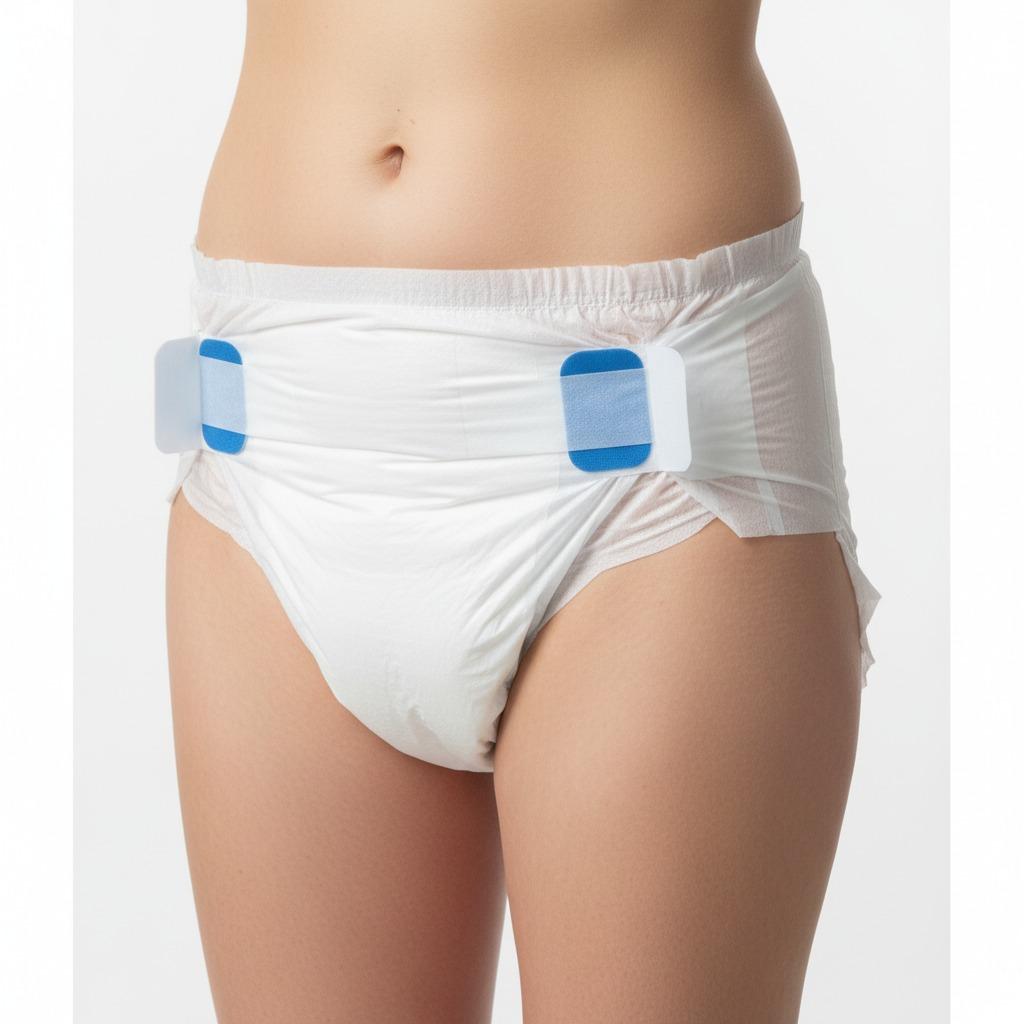
Adult Diapers: how to choose the right protective brief without buying the wrong level of care
Adult Diapers are not a simple comfort purchase. For many buyers, they are a practical response to bladder leakage, bowel leakage, post-surgery recovery, limited mobility, or the need for night protection when changing clothes is not easy. If you are sourcing for a hospital, nursing home, home-care program, or retail channel, the real question is not whether an adult diaper exists, but which type of adult diaper matches the wearer’s routine, mobility, and skin-care needs.
That sounds straightforward until you start comparing products. A pull-on brief looks different from a tape-tab brief, leg elastics vary, the waistband fit matters more than many buyers expect, and the absorbent zone is not always obvious at a glance. The wrong choice can lead to leaks, discomfort, extra change frequency, and unnecessary cost. The right one can make routine care simpler for caregivers and more dignified for users.
This guide walks through the practical decision points. It is meant for people who need to buy, specify, or evaluate incontinence products based on use, not on packaging claims.
What the visible product form tells you
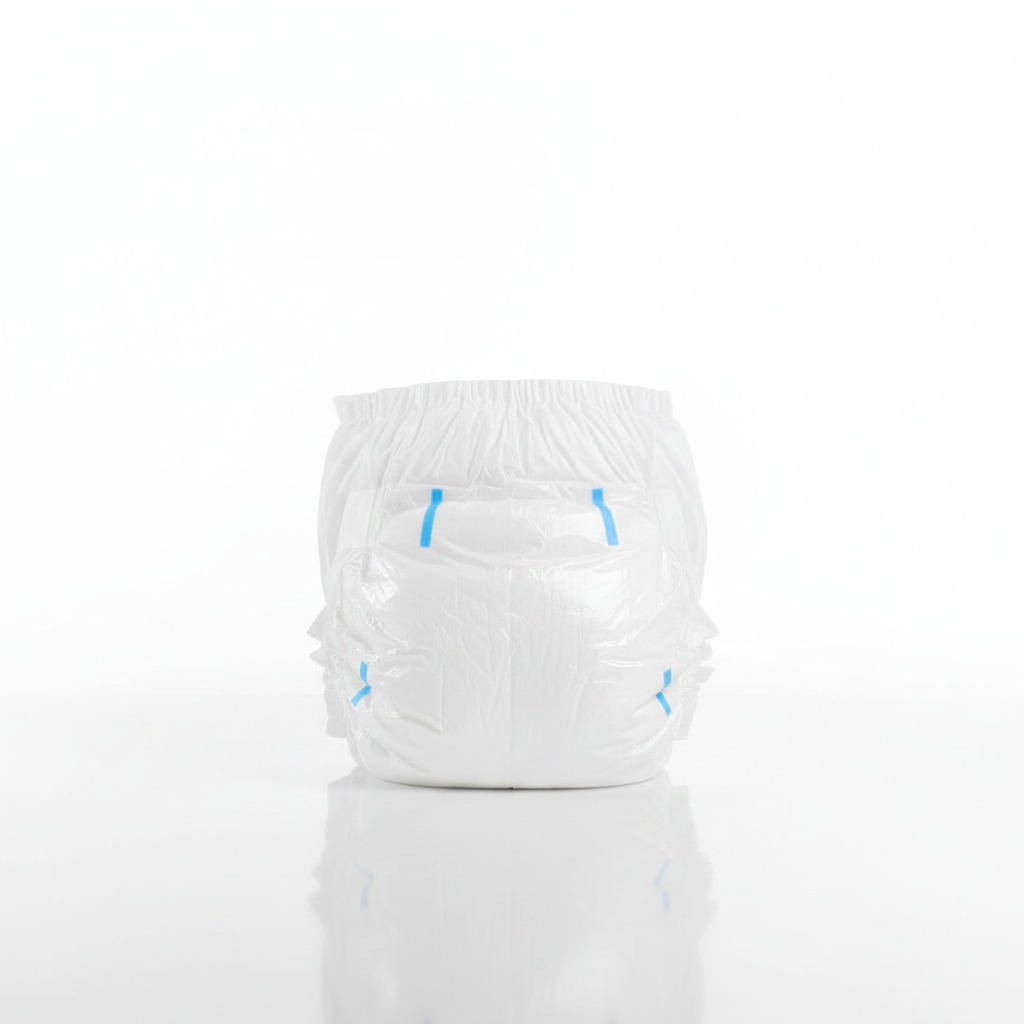
The product described here is a disposable adult incontinence brief with a pull-on, pant-like shape. It has full front and rear coverage, a contoured waistband, gathered leg openings, and a central absorbent zone. The outer cover appears white and soft, with a glossy or translucent waterproof-looking layer visible in part of the core area, plus blue marking strips on the front.
From a buyer’s standpoint, that tells you several useful things. First, it is designed to be worn on the body like underwear rather than fastened at the sides. Second, the elastic waistband and leg openings suggest it is intended to stay in place during movement, which matters for users who walk, transfer, or spend time seated. Third, the full-coverage brief format usually suits moderate to heavier care situations better than very light pads, although you still need the real absorbency specification from the supplier.
One caution: appearance is not the same as performance. A tall-looking absorbent panel does not automatically mean better liquid handling, and blue strips may be nothing more than visual markings unless the manufacturer states otherwise.
When a pull-on adult diaper makes sense
Pull-on briefs are often chosen when the wearer can dress themselves, at least partly, or when caregivers want a faster routine that feels more like underwear. They are common in home care, travel, and daytime use for people with some mobility. They can also be useful at night if the fit is stable and the leakage pattern is predictable.
In nursing homes and hospitals, the picture is more mixed. A pull-on adult diaper can be practical for residents who move independently or need a more discreet product. But for people who require frequent checks, easier removal may matter more than appearance. In those settings, teams sometimes prefer tape-tab products because they are faster to open, inspect, and refit. That does not make one style better than the other; it just means the care workflow should decide the style.
If you are sourcing for a mixed population, do not standardize too quickly. A product that works for an ambulatory user may be awkward for a bed-bound patient, and vice versa.
Key features buyers should evaluate first
1. Fit at the waist and legs
Elasticized waist and leg openings are more than comfort features. They help the brief stay sealed around the body and reduce gapping, especially when the wearer sits, bends, or walks. If the fit is too loose, leakage often follows the path of least resistance, usually around the leg opening.
Ask for size guidance that reflects actual waist and hip ranges, not vague small-medium-large labels only. In adult diapers, poor fit is one of the most common reasons a product is blamed for leakage when the real problem is sizing.
2. Absorbent zone layout
The visible central absorbent area should be considered carefully. Buyers often focus on the total product size, but what matters more is where the absorbent material sits and how it is distributed. For front sleepers, back sleepers, or users with specific leakage patterns, the placement of the core can change real-world performance.
Do not assume the thickest product is always the best. Some users need faster intake, while others need better fluid retention over time. If the supplier cannot explain the core structure in plain language, that is a sign to slow down.
3. Coverage and rise
The described brief offers full front and rear coverage with a pant-like shape. That usually provides better security than low-coverage designs, especially during movement or overnight wear. Higher coverage can also help reduce side leakage, though only if the leg openings and waistband are well balanced.
Coverage should be matched to the wearer’s posture. A mobile user who walks frequently may value a closer, clothing-like profile. A wheelchair user may need a different back-rise balance than someone who lies flat for long periods.
4. Surface feel and wear comfort
The outer surface is described as soft and matte, with a nonwoven look. That is a positive starting point for comfort, but it should still be checked in use. Some products feel soft in hand yet become noisy, stiff, or warm during wear. Incontinence products are often judged in the first minute and forgotten later, when friction and heat begin to matter more.
A practical buying workflow for sourcing teams
If you are evaluating adult diapers for a program or catalog, a simple workflow helps avoid expensive mistakes.
Start with the wearer profile: mobile or immobile, daytime or overnight, light leakage or heavier leakage, self-care or caregiver-managed. Then match the product form. Pull-on briefs are usually best when the product needs to behave like underwear. Tape-tab styles usually make more sense when access, frequent changes, or bed care are involved.
Next, check the size range and fit notes. Then ask for sample units and test them in the conditions that matter: sitting for long periods, standing and walking, turning in bed, and changing after a routine care interval. If the product is for institutional use, test how fast caregivers can remove and replace it without disturbing the wearer more than necessary.
Finally, review packaging and logistics. Adult diaper sourcing is rarely only about the diaper itself. Storage volume, case packing, carton durability, and shelf handling all affect the real cost of use.
Common mistakes when selecting incontinence products
One common mistake is choosing based on absorbency language without checking fit. A poorly fitted adult diaper can leak even when the absorbent core is adequate.
Another is selecting the same product for every use case. Daytime mobility, overnight protection, and post-operative care do not always need the same design. A product that is easy to pull on may not be the easiest to change in bed.
A third mistake is ignoring caregiver workflow. In a nursing home, a product that takes an extra minute to position can add up across multiple changes and multiple residents. Small details become large when repeated all day.
And one more, often overlooked: do not rely on visual thickness alone. A bulky adult diaper is not automatically more secure, and a slimmer one is not automatically weaker. Core design matters more than appearance.
Questions to ask a supplier before you place an order
Keep the conversation specific. Ask what type of user the product is intended for, how the pull-on brief is designed to fit, and whether the elastic waist and leg openings are intended to support movement, overnight use, or both. Ask for size charts, sample packs, and clear product photos from multiple angles.
If you are buying for retail, ask how the product should be described without overstating performance. If you are buying for care facilities, ask whether the design supports routine inspection and replacement. If the supplier mentions features such as wetness indicators, odor control, or breathability, request the exact supporting documentation rather than taking the wording at face value.
That last point is worth repeating. In adult diapers, marketing language can sound almost identical from one supplier to another. What separates useful products from disappointing ones is usually the evidence behind the claims, not the adjectives.
Quick selection guide by use case
For home care and travel, a pull-on adult diaper with a secure waistband and comfortable leg elastics is often the easiest place to start. It supports dignity and simple handling.
For nursing homes and hospitals, the decision should hinge on the wearer’s mobility, change frequency, and caregiver access. A pull-on style may be ideal for some residents, while others need a different format altogether.
For nighttime protection, the key question is not only absorbency but stability during sleep. The brief must stay positioned when the wearer turns, shifts, or sits up during the night.
For post-surgery or temporary limited mobility, comfort and easy donning often matter as much as leakage control. The wearer may need a product that can be put on quickly without complicated handling.
FAQ for first-time buyers
Are adult diapers all the same?
No. They differ by fit, fastening style, coverage, core layout, and intended use. Two products can look similar and perform very differently.
Is a pull-on brief better than a tape-tab brief?
Not always. Pull-on briefs are often better for ambulatory users and more underwear-like wear. Tape-tab briefs are often easier for caregivers and bed care.
Should I choose the thickest option?
Not by default. Thickness alone does not guarantee better leakage control. Fit and core design matter just as much.
Can one adult diaper work for day and night?
Sometimes, but not reliably for every wearer. Day and night needs can differ enough to justify separate products.
What to do next
If you are shortlisting adult diapers for a program, begin with the user profile and the care setting, then sample a pull-on brief only if that format suits the workflow. Check the waistband, leg elastics, coverage, and product handling before you compare price alone. A practical test in real conditions will usually tell you more than a polished specification sheet.
For buyers, the right decision is not about finding the “best” adult diaper in the abstract. It is about finding the one that fits the body, the care routine, and the setting with the fewest surprises. That is usually where the cost savings show up later, quietly, in fewer leaks and fewer complaints.