
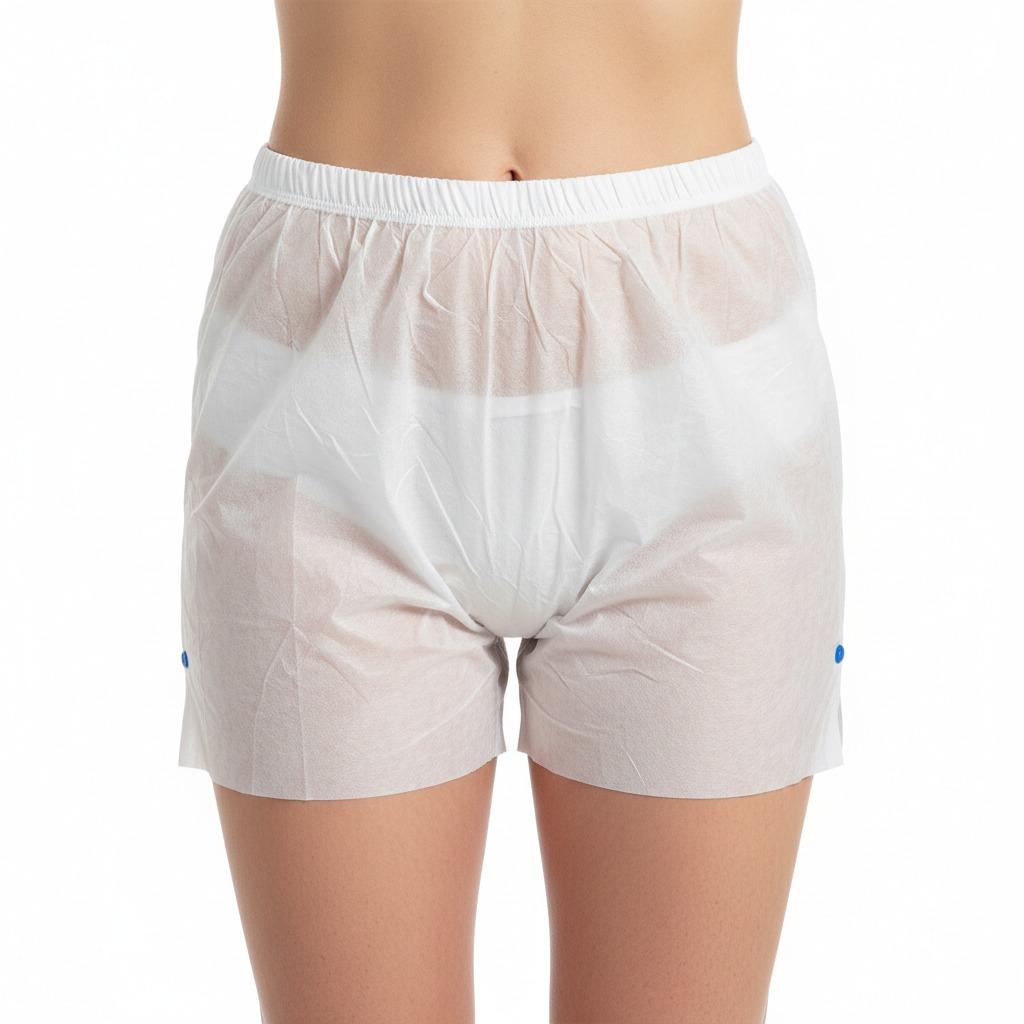
Adult Diapers: How to Choose the Right Style for Care, Comfort, and Daily Use
Adult Diapers are not a single product so much as a family of incontinence products that serve very different users, care settings, and handling routines. For a sourcing manager, the question is rarely “which diaper looks best?” It is usually more practical: which adult diaper will fit the wearer, hold up in real use, and make life easier for caregivers without creating waste or avoidable complaints?
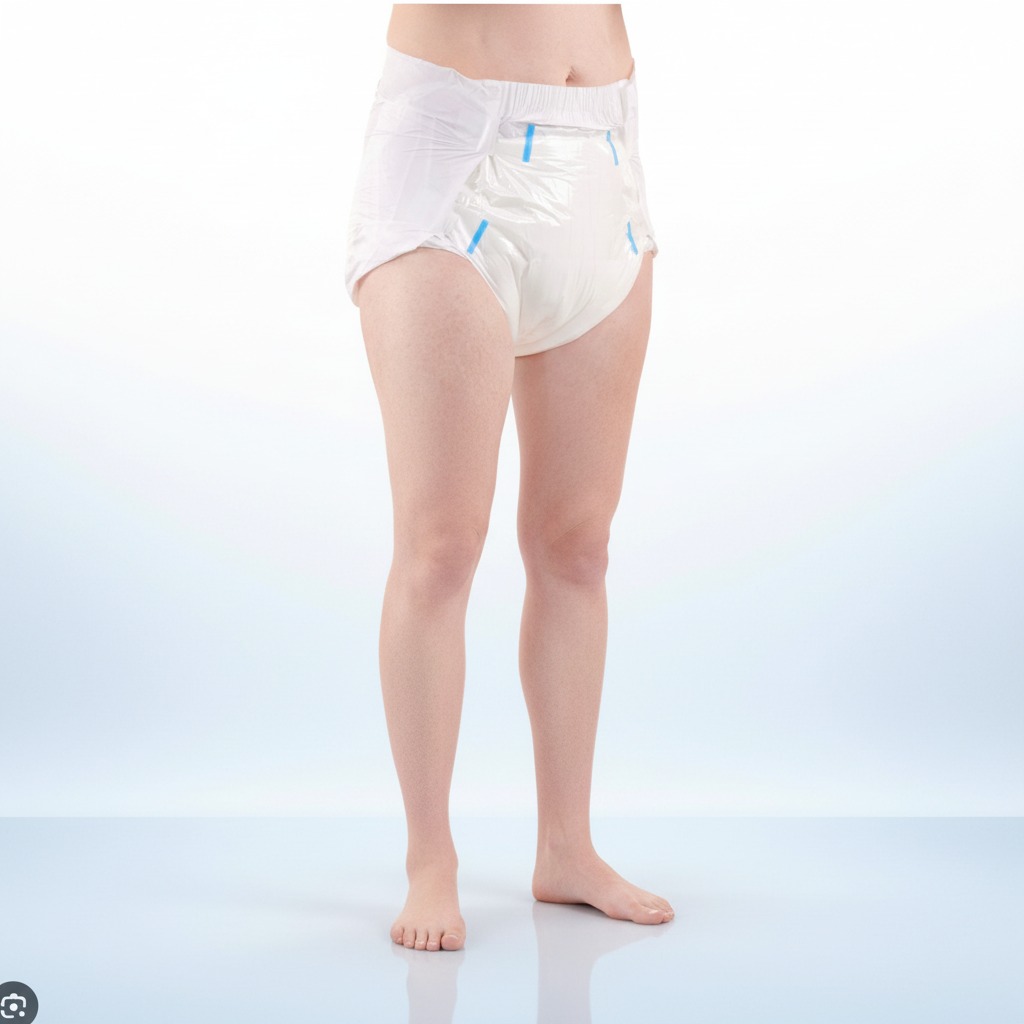
That is a more useful way to approach the category. A disposable adult diaper or incontinence brief has to do several jobs at once. It needs to fit the lower torso and hips securely, manage moisture, stay comfortable for a reasonable wear period, and be simple enough for caregivers to handle quickly. The visible product style described here—a contoured brief with a white outer shell, elasticized waistband and leg openings, gathered side panels, and a central absorbent zone—fits squarely into the common brief format used in hospitals, elder care, home caregiving, and post-surgery support.
If you are evaluating suppliers or narrowing a spec sheet, the real decision is not only about absorbency. It is about fit, user mobility, dressing method, caregiver workload, and how the product behaves during a full day of ordinary use. That is where buying mistakes usually happen.
What this product type is designed to do
The basic job of an adult diaper is straightforward: contain and manage urinary and/or fecal incontinence in a way that supports hygiene and dignity. In practice, the design must balance a few competing demands. A brief-style product needs enough structure to stay in place, but not so much bulk that it becomes hard to wear under clothing. It needs absorbent materials in the front or crotch area, but also a surface and edge construction that helps limit leakage at the leg openings. And because it is disposable, the manufacturing process has to deliver that performance consistently at scale.
The product description here points to a disposable nonwoven hygiene garment, likely made through converting and lamination processes that combine nonwoven layers, elastic components, and an absorbent core. That is a common architecture in this category. You may also see blue vertical marking strips on the outer surface; those are often used for positioning or wetness indication in some products, though the exact function cannot be confirmed from appearance alone. Buyers should avoid assuming any feature that is not stated in the supplier documentation.
Quick reference: what to look at first
Before comparing adult diaper options line by line, start with the practical questions below. This keeps the process anchored to how the product will be used, not just how it is marketed.
1. Fit and body shape
A brief with a contoured shape, elastic waistband, and elastic leg openings is usually intended to sit snugly around the lower torso and hips. Fit matters because gaps at the waist or thigh area are where complaints often start. A product that appears well made on a flat table can still fail if the cut does not suit the wearer’s body profile.
2. Wearer mobility
Some incontinence products are easier for independent adults to pull on and off; others are better suited to caregiver-assisted changing. A pull-on or brief-style fit suggests convenience, but buyers still need to check whether the product is truly designed for the intended user group. For example, a mobile user and a bed-bound patient may need different handling characteristics even if both use disposable briefs.
3. Care setting
Hospitals, elder care facilities, and home caregiving do not use the same purchasing logic. Institutional buyers often prioritize predictable sizing, packaging efficiency, and caregiver speed. Home users may care more about comfort, discretion, and ease of disposal. A product that works well in one setting may be a poor fit in another.
4. Material feel and surface finish
The visible white outer shell with a smooth, slightly glossy plastic-like surface suggests a conventional disposable construction. Some buyers prefer softer-feel outer layers, but the appearance alone does not tell the full story. Always ask how the product behaves in use, not just how it looks on arrival.
How the structure of a disposable adult diaper affects performance
For engineers and sourcing teams, the architecture of the product is often more important than any single feature claim. Adult diapers in brief form usually combine several functional zones:
The outer shell provides the garment body and visual structure. The absorbent core, visible here as a translucent area beneath the front/crotch section, is the heart of the product. Elasticized waistband and leg openings help create a close fit, while side panels and gathered construction help the brief stay contoured around the hips. Seams, layers, and material bonds also matter because they affect comfort, strength, and how the diaper behaves during movement.
In plain language: a better-shaped brief usually feels more stable and leaks less at the edges. But if the elastic is too tight, or the cut is too shallow, the wearer may resist using it. That is why product development in this category is always a compromise between containment and comfort.
Choosing between adult diaper styles
Not every user needs the same format. Buyers often evaluate the category too broadly, then discover later that the chosen style is cumbersome for the actual wearer. A few distinctions matter.
Brief-style products, like the one described here, are typically chosen when higher coverage or stronger caregiver confidence is needed. They can be practical for nighttime use, mobility-limited users, or situations where routine checking is difficult. Pull-on styles can suit more active adults who want a garment that feels closer to underwear. Other incontinence products may take the form of pads or liners, which are lighter and less structured, but they do not replace a full brief in every case.
If your buying team handles multiple SKUs, avoid assuming one format can do everything. That shortcut tends to create overuse of larger products and underuse of simpler ones. Both are costly in different ways.
Selection criteria that actually matter in procurement
When evaluating suppliers of adult diapers, practical criteria should lead the conversation. Marketing language can be noisy in this category, and many product claims sound similar until you test the actual user experience.
Start with size consistency. A brief-style garment needs reliable fit across production lots. Then review material construction: the relationship between the outer shell, absorbent zone, and elastic areas should be clear. Ask how the product is converted and assembled, especially if the brief uses layered nonwoven materials and elastic components. Even without exact material disclosure, the supplier should be able to explain the construction logic at a functional level.
Next, consider handling. Can caregivers put it on quickly? Does the shape stay intact during dressing? Does the product fold and store efficiently? Small workflow issues become large problems in facilities that use many units per day. This is one of those boring but expensive realities that product brochures rarely mention.
Finally, verify the intended use environment. Hospital purchasing, elder care procurement, and home caregiving each have different expectations. A product that is acceptable for one may not be ideal for another, even if it sits in the same incontinence products category.
Common mistakes buyers make
One common mistake is treating all adult diaper products as interchangeable. They are not. Shape, fit, and application context matter enough that a good-looking sample can still be wrong for the target user.
Another mistake is relying too heavily on visible features like the blue vertical markings or a glossy outer finish. Those details may suggest a certain function, but they do not prove wetness indication, leak protection level, or skin comfort. If the supplier has not documented the feature, do not build your purchasing decision around it.
A third mistake is buying only to the highest absorbency expectation. Bigger is not automatically better. In some cases, an oversized brief creates more heat, more bulk, and more user resistance. That can reduce compliance, which defeats the purpose of the product entirely.
Practical buyer advice for engineers and sourcing managers
If you are sourcing adult diapers for institutional or retail channels, ask for the minimum information needed to compare products fairly: size range, intended user profile, construction overview, packaging format, and any verified performance claims. Where the data is missing, resist the urge to fill in blanks with assumptions.
Request samples and evaluate them in realistic conditions. A product that seems acceptable on a spec sheet may be awkward when handled with gloves, transferred by a caregiver, or worn for extended periods. That is especially true in hospital and elder care environments where routine matters more than showroom appearance.
It also helps to define the user scenario before you negotiate price. A short-stay patient, a long-term care resident, and a home caregiver shopping for one family member will not value the same features. If everyone on the buying side is imagining a different use case, the procurement decision will be messy from the start.
FAQ: common questions about adult diapers
Are adult diapers only for elderly users?
No. Elder care is a major use case, but adult diapers are also used in hospitals, after surgery, for mobility limitations, and in other caregiving situations.
Is a brief-style adult diaper better than a pull-on style?
Not universally. Brief-style products can offer fuller coverage and are often easier for caregivers to manage. Pull-on styles may suit more active users. The better choice depends on mobility, routine, and care setting.
Should buyers choose products based on visible absorbent area alone?
No. The visible absorbent zone is only one part of the product. Fit, elastic behavior, layer construction, and handling all affect real-world performance.
Can appearance tell me whether the product has wetness indicators?
Not reliably. Blue markings may be indicators or may simply be design features. Confirm this with supplier documentation.
What to do next
If you are building a short list of Adult Diapers for care facilities, resale, or private-label development, start with the use case and work backward to the structure. The visible brief style described here is a practical reference point: disposable, full-coverage, elasticized, and suited to incontinence care where secure fit matters. From there, compare construction, handling, and user fit with the actual wearer or care environment in mind.
That is the simplest way to avoid a bad purchase. Not by chasing the loudest claim, but by matching the product form to the job it has to do.