
Photovoltaic panels: what buyers should really be comparing before they place an order
Photovoltaic panels look straightforward from a distance: a flat framed module, a dark cell matrix, and a clean glass face that promises electricity from daylight. In practice, the buying decision is less simple. A project team choosing solar photovoltaic panels has to think about where the modules will be installed, how they will be mounted, what the electrical system expects, and how much performance can realistically be extracted over years of outdoor service. That is why the label “PV panels” is only the starting point, not the specification.
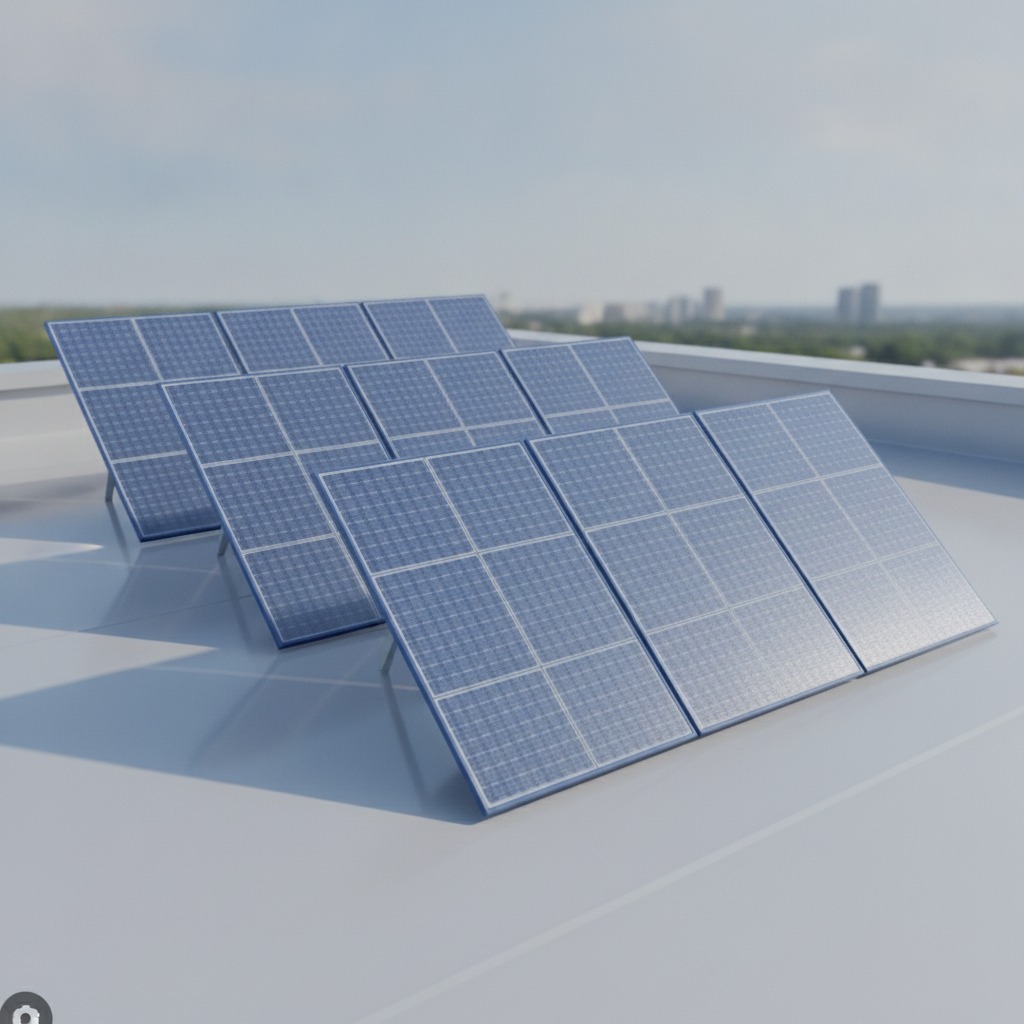
For engineers and sourcing managers, the real question is not whether the panel can produce power in theory. It is whether the module format, construction, and system compatibility fit the job without creating avoidable cost later. A rooftop array, a ground-mount project, and an off-grid backup system may all use the same broad product category, but they do not ask the same things from the module. One buyer may care most about footprint and array density. Another may be focused on mechanical durability, wiring convenience, or long-term replacement risk.
What photovoltaic panels actually are in a manufacturing sense
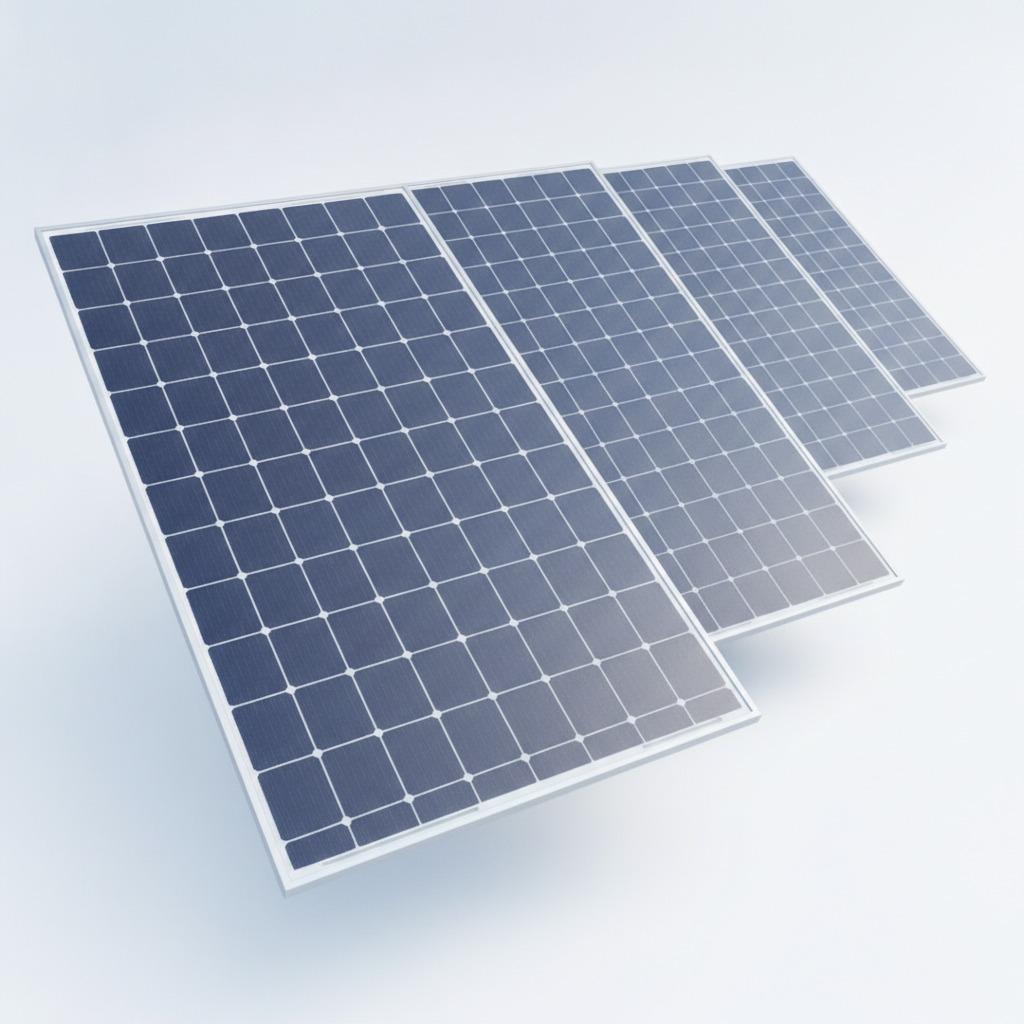
At the simplest level, photovoltaic panels are assembled devices that convert sunlight into electrical power. The visible structure usually consists of many small solar cells arranged in a grid, sealed behind a front sheet and framed to make handling and mounting easier. The image of a rigid rectangular module with a dark blue-gray cell field is typical of crystalline silicon solar modules, although exact cell chemistry cannot be confirmed from appearance alone. The important point for a buyer is that the module is not just a stack of cells; it is a finished outdoor component with mechanical, electrical, and environmental demands all layered together.
That matters because solar module performance depends on more than the cell material. The encapsulation stack, frame design, junction box layout, interconnect quality, and front-surface treatment all influence how the panel behaves after shipping, installation, and years of thermal cycling. A panel that looks standard on a datasheet may still create installation headaches if its dimensions, connector style, or mounting scheme do not suit the rest of the project.
Quick-reference view: what buyers usually compare
When teams compare solar photovoltaic panels, the first pass is usually a practical one rather than a technical one. The questions are basic, but they save time:
Does the module size fit the available roof or racking layout? Will the panel work with the inverter and string design? Is the frame and glass construction appropriate for the site conditions? Can the supplier support repeat orders if the project expands later? If the answer to any of these is unclear, the panel may be suitable in theory and awkward in the field.
That last point gets missed often. Some buyers focus so hard on nominal output that they underweight the physical reality of installation. A module that is efficient on paper can still be a poor fit if it is too heavy for the crew workflow, too large for the roof geometry, or too different from the rest of the system architecture.
Common construction elements and why they matter
Front glass and surface finish
The visible front face of photovoltaic panels is typically a glass-like protective layer designed to let light through while shielding the cell array. The finish in the image appears smooth and slightly reflective, which is consistent with standard module surfaces. For buyers, the point is not just clarity; it is durability. Surface damage, soiling behavior, and handling risk all start here.
Cell matrix and interconnects
The dark blue-gray square pattern inside the module is the cell grid, and it is one of the most visible signs of solar photovoltaic panels built for standard module assembly. More cells do not automatically mean better performance, but the layout influences voltage, current, shading response, and how neatly the module fits into a string design. Engineers should ask how the module behaves under partial shading and whether its electrical characteristics match the rest of the array.
Frame and edge protection
The rigid frame is not just there for appearance. It helps the panel survive transport, mounting, and thermal movement. A well-designed frame also makes clamping and alignment easier during installation. The exact frame material in the image cannot be confirmed, so buyers should verify the real specification rather than assuming all panels are equally robust. That is a small caution, but it can save a site team from expensive surprises.
Where PV panels are typically used
The most familiar application is rooftop solar, where available area is limited and the module format has to be compatible with rail systems, roof loading, and maintenance access. Ground-mount solar arrays introduce different concerns: row spacing, wind loading, land use efficiency, and long cable runs. Off-grid systems and backup power setups often place more emphasis on system stability and serviceability than on sheer installed capacity.
Industrial and commercial energy generation adds another layer. In those projects, the panel is part of a broader procurement puzzle involving inverters, balance-of-system components, monitoring, and future expansion. A buyer may be evaluating dozens or hundreds of modules at once, so consistency matters. PV panels that look visually similar can still differ in how easily they are integrated, stored, and replaced.
Selection criteria that are worth serious attention
One of the easiest mistakes in sourcing photovoltaic panels is treating all modules as near substitutes. They are not. Even when product families look similar, the details can shift project economics.
Start with system fit. The panel dimensions, mounting approach, and electrical profile should support the site design instead of forcing redesign. Then look at the intended environment. A desert ground-mount array, a humid coastal roof, and a warehouse backup system do not challenge the module in the same way. Mechanical loading, heat, moisture, and routine cleaning all affect real-world behavior.
Next, examine supplier consistency. For repeat projects, procurement teams need to know whether the same solar photovoltaic panels can be sourced again without awkward substitutions. Replacement compatibility is often undervalued until an array needs expansion or a damaged module has to be swapped years later. By then, a slightly changed footprint or connector arrangement can become a nuisance.
Finally, verify the documentation. Exact wattage, efficiency, weather resistance claims, dimensions, and certification status were not supplied here, so they should be checked directly with the manufacturer or distributor. That sounds obvious, but many purchasing problems begin when a buyer accepts a generic description and fills in the blanks from habit.
Common mistakes buyers make
One common mistake is equating visual similarity with interchangeability. Two PV panels may share a comparable frame and cell pattern while differing in electrical characteristics or mechanical behavior. Another is ignoring installation labor. A module that saves a few dollars on purchase price can cost more if it slows the crew or requires nonstandard mounting accessories.
A third mistake is underestimating lifecycle issues. Solar modules live outdoors for a long time. Small differences in build quality, seal integrity, or frame consistency can matter more after years of temperature swings than they do on the first day. Buyers sometimes focus only on initial procurement and forget that service calls and replacements are part of the total cost.
Practical advice for engineers and sourcing teams
For project engineers, the best approach is to build the module choice around the system architecture first and the procurement second. Define the electrical envelope, mounting constraints, and environmental exposure before narrowing down panel options. That keeps the discussion grounded in the actual use case rather than in sales language.
For sourcing managers, ask for complete product documentation and make sure every stake in the ground is clear: dimensions, rated output, connector type, frame details, and available order continuity. If any of those items are uncertain, treat them as open issues rather than assumptions. A neat-looking module can still be wrong for the project.
For product teams developing solar solutions, the panel is part of the user experience as much as it is a power component. Size, finish, and layout affect packaging, logistics, and installation presentation. In commercial settings especially, standardized PV panels help create cleaner project execution and easier maintenance planning.
FAQ: a few questions that come up often
Are all photovoltaic panels the same?
No. They may share the same broad purpose, but the construction, electrical behavior, dimensions, and mounting details can differ enough to affect design and installation.
Do solar photovoltaic panels always use the same cell type?
No. The visible grid suggests a crystalline silicon-style module, but cell chemistry cannot be confirmed from appearance alone. Buyers should verify the actual build.
What is the safest buying mindset?
Assume the panel is a system component, not a standalone product. Compare it against the installation method, expected environment, and replacement strategy.
A sensible next step before you buy
If you are sourcing photovoltaic panels for a rooftop project, a ground-mount array, or an industrial power system, start by collecting the non-negotiables: module dimensions, electrical ratings, mounting compatibility, and documentation. Then compare suppliers on consistency and support, not just on the headline module description. That approach is less flashy than chasing the highest-sounding spec, but it usually leads to fewer field problems.
For buyers still narrowing options, the best next move is to request full technical data and confirm the panel format against the site layout and system design. That single step eliminates a surprising amount of wasted time later.