
Motorcycle Brake Pads for Reliable Stopping and Routine Replacement
Motorcycle brake pads are the parts that turn lever pressure into controlled stopping force. When the old pads glaze, wear unevenly, or lose bite, the rider feels it immediately: longer stopping distances, a softer brake feel, and less confidence in traffic or on winding roads. This product is designed for that everyday maintenance need, serving as a replacement friction component that presses against the brake rotor to slow or stop the wheel. The visible pad shape, curved profile, and grooved friction surface suggest a fitment made for a specific caliper design, which is why matching the pad form is so important during repair.
Product Overview
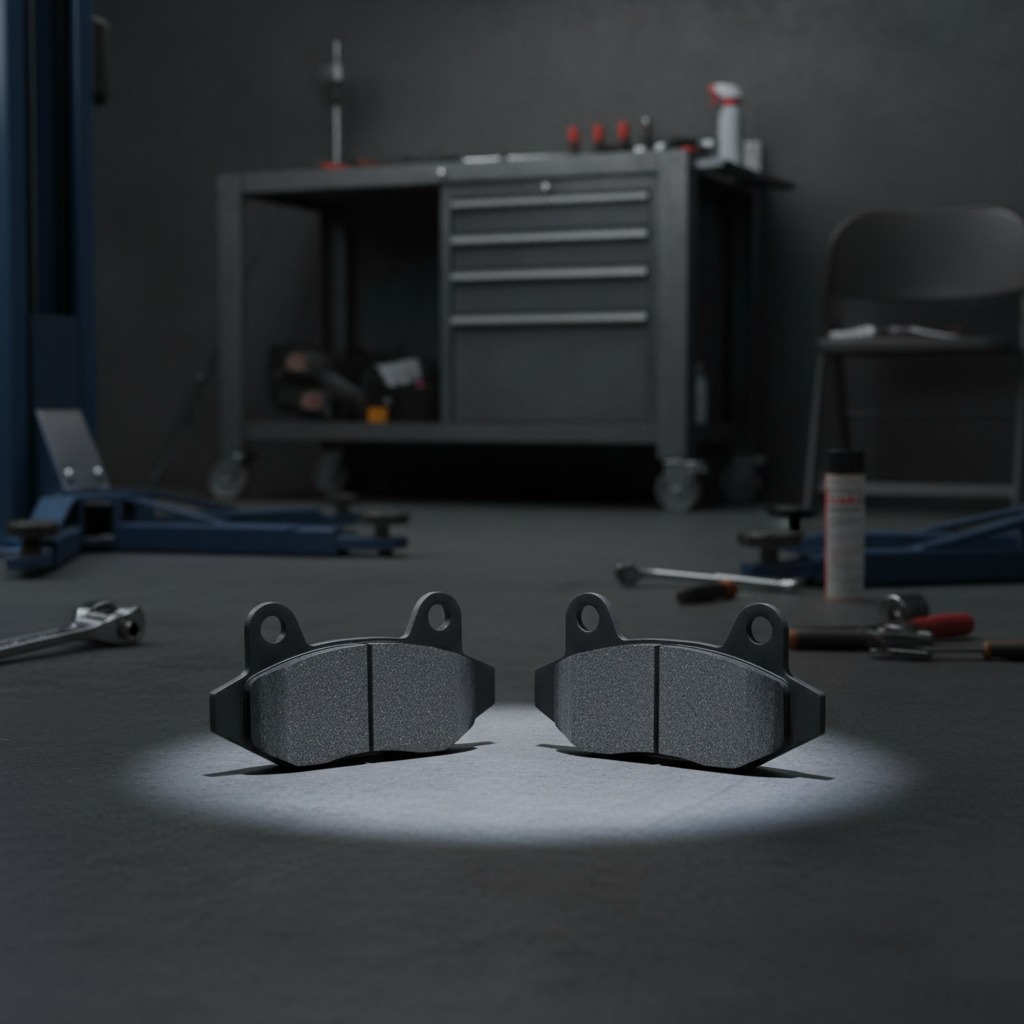
These motorcycle brake pads are a two-piece set with a dark metal backing plate and a rough gray friction lining bonded to the working face. Each pad includes a single mounting ear with a circular hole, and the friction block shows three visible grooves across the surface. The grooves are more than cosmetic: on many pad designs they help manage dust, water film, and contact behavior as the pad wears. The overall look is molded or sintered rather than machined, but the exact material composition is not confirmed from the provided image, so it should be treated as an appearance-based observation rather than a specification.
For buyers sourcing replacement parts, the key benefit is straightforward: restore braking performance without replacing the full caliper assembly. In service work, that keeps maintenance focused and practical. Instead of overhauling the entire braking system, the mechanic can renew the wear component most exposed to heat and friction.
Key Specifications and Visible Capabilities
Construction
From the visible data, each pad includes:
– One metal backing plate for structural support
– A bonded friction layer on the contact side
– A curved outer profile to match a specific rotor and caliper geometry
– Three grooves in the friction material
– One mounting ear with a circular hole
Functional Role
The friction surface is the working element that clamps against the brake disc under hydraulic force. In use, the pad must balance grip, heat handling, and wear behavior. The groove pattern may also help with debris management and surface conditioning, although actual performance depends on the exact material formulation and the motorcycle braking system it is installed on.
For buyers comparing disc brake pads for motorcycles, shape compatibility is just as important as friction material. A pad can look similar in a catalog photo and still fail to fit the caliper body, pin location, or rotor contact arc. The visible ear-and-hole design here indicates a specific mounting arrangement that should be matched carefully against the original sample.
Materials and Finish Options
The product photo shows a dark backing plate with a gray friction lining. The surface texture appears rough and compact, which is consistent with a molded or sintered pad surface, but not enough to confirm the exact compound. In brake pad manufacturing, the friction material may be formulated for different riding demands, and buyers often choose based on the intended balance of initial bite, fade resistance, rotor friendliness, and pad life. Because those details are not supplied here, the safest way to specify the part is by geometry and application rather than by unsupported compound claims.
Visible finish notes include a clean bonded edge between the backing plate and friction block, and a uniform molded profile across both pads in the set. That consistency matters in assembly because uneven pad geometry can contribute to inconsistent contact or noisy engagement.
Manufacturing Process
Brake pad production typically involves forming the friction block through pressing, molding, or sintering, then bonding it to a prepared metal backing plate. Depending on the pad type, the process may include heat treatment, surface finishing, and groove formation before final inspection. In a manufacturing workflow for motorcycle brake pads, the bond between the friction layer and the backing plate is critical; if that interface is weak, the pad cannot withstand repeated heating and cooling cycles.
The visible grooves and shaped edges suggest a finished part intended for direct installation after quality checks. For B2B buyers, this matters because replacement pads must arrive ready for packaging, inventory, and workshop use without additional trimming or adaptation.
Application Scenarios
These pads are suitable as replacement parts for motorcycles and related small vehicle braking systems when the caliper and rotor interface matches the pad shape. Common use cases include maintenance shops, repair centers, distributors, and fleet service operations handling routine brake renewal.
They may also be relevant in powersports and scooter servicing, especially where technicians need a practical replacement option for a known pad outline. Since exact vehicle compatibility is not provided, buyers should compare the pad profile, ear position, and hole location against the original sample or the OEM part removed from the machine.
In workshop terms, this product fits the kind of repair where the complaint is familiar: reduced braking response, squeal, vibration, or visible wear approaching service limits. Replacing the pad set can bring the system back into predictable operation when the rotor remains serviceable.
Quality Control Considerations
For brake components, quality control is not a formality. It is the difference between a part that installs cleanly and one that creates repeat service problems. Buyers should look at several checkpoints when sourcing brake pads:
– Dimensional consistency across the pad set
– Secure bonding between friction layer and backing plate
– Uniform groove formation and surface density
– Hole alignment and mounting-ear accuracy
– Flatness of the backing plate for proper caliper seating
Because no certification or test data has been provided, it would be inappropriate to claim specific standards or performance figures. Still, a reliable supplier should be able to support incoming inspection, batch consistency, and packaging protection so pads do not arrive chipped, contaminated, or bent.
Customization and Buyer Guidance
Customization for brake pads usually starts with fitment. Buyers may need a pad shape matched to a caliper model, pin arrangement, or rotor size. If you are sourcing motorbike brake pads for an aftermarket line or service network, the most useful technical inputs are the old pad sample, detailed drawings, or the OEM cross-reference. Exact dimensions were not supplied here, so confirming the geometry is essential before placing volume orders.
When evaluating this type of part, focus on the following decision factors:
– Does the pad outline match the original part?
– Is the hole position correct for the mounting hardware?
– Will the friction surface contact the rotor evenly?
– Is the pad intended for the riding environment and load level?
– Is the supplier able to keep batch-to-batch shape consistency?
For distributors, packaging and labeling may matter as much as the part itself. A clear part number, fitment note, and protected pack format can reduce returns and make warehouse handling easier.
Why the Shape Matters
The curved outer edge, the groove pattern, and the single mounting ear all point to a pad built for a specific brake assembly. That kind of geometry is not generic. In brake service, a small mismatch can cause poor seating, uneven wear, or installation delays. This is why the visible outline is one of the first details a buyer should verify when selecting disc brake pads for motorcycles.
A well-matched pad helps the caliper apply force smoothly across the disc. It also supports more predictable brake feel during repeated stops, whether in city traffic, on downhill roads, or during stop-and-go commercial use.
Request Fitment Confirmation and Bulk Supply Support
If you are sourcing motorcycle brake pads for replacement, resale, or workshop stock, start by matching the pad shape and mounting detail to your existing sample. Share the original part photo, drawing, or sample piece, and confirm the caliper model before ordering at scale. That simple step can prevent installation issues and reduce time lost to returns.
For purchasing teams, maintenance buyers, and parts distributors, a well-matched brake pad is a small component with a large role in vehicle safety and customer satisfaction. Send your fitment requirements, target quantity, and packaging needs to begin the sourcing process with confidence.






评价
Clear filters目前还没有评价