
Blackheads-Removing Facial Mask for Targeted Pore Care
A facial mask designed for blackhead removal helps address a common buyer problem: visible pores, excess oil, and surface buildup around the nose and T-zone. In daily skin care routines, these concerns often show up as clogged pores and a rough-looking complexion. A blackheads-removing facial mask is used as a topical treatment for deep cleansing and dirt absorption, making it a practical option for consumers who want a more focused pore-care step.
Product Overview
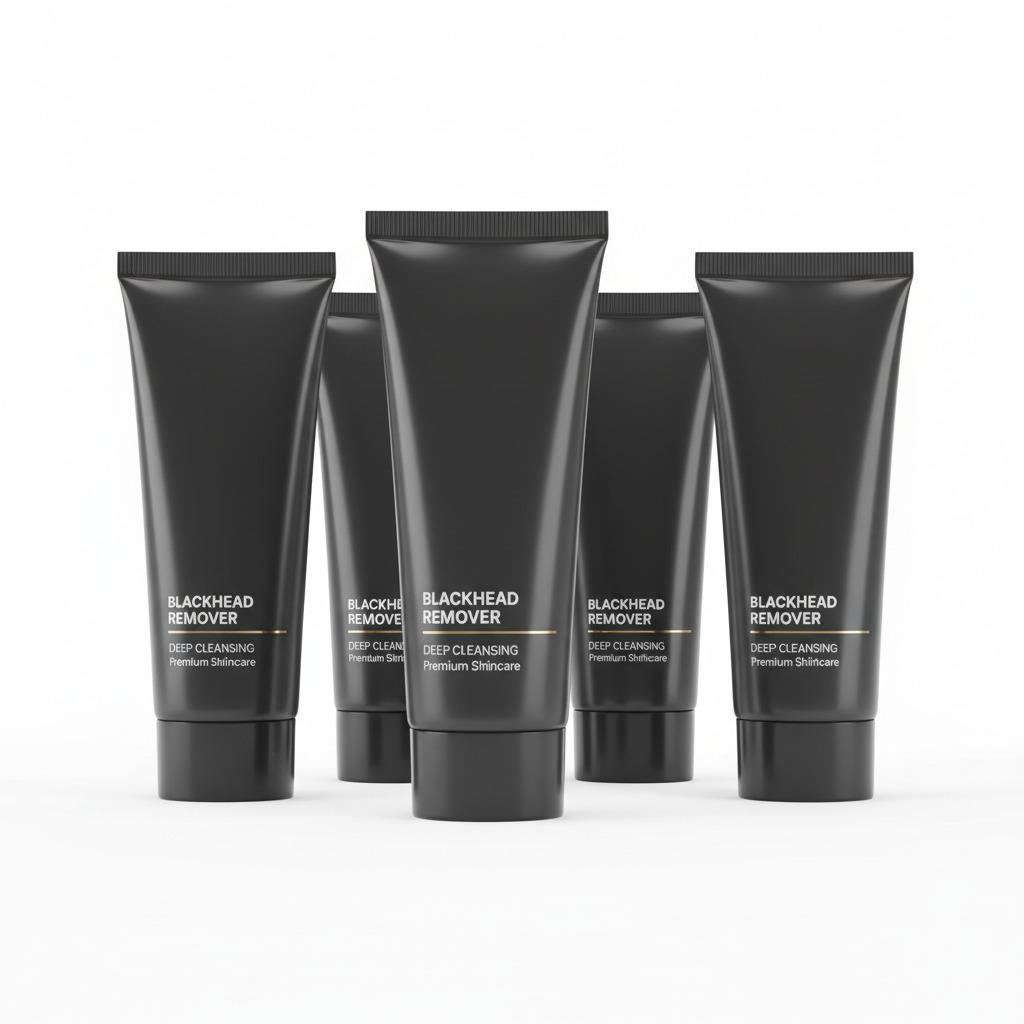
This product is presented as a blackheads-removing facial mask, also described as a black mask. The packaging shows four black squeeze tubes, each marked with 60 g net content. Visible label text includes “Anti-blackheads,” “BLACKHEAD REMOVER,” “PORE SHRINKING,” “DEEP CLEANSING,” and “DIRT ABSORBING.” The brand name shown on the packaging is HANSHI. From the visible format, this appears to be a retail cosmetic product for home use, especially for facial areas where blackheads tend to form.
Because the ingredient list and texture are not visible, the exact formulation should not be assumed. It may be a peel-off, clay-based, gel-based, or cream-style skin care mask, but only the packaging confirms its intended cleansing function. Buyers should evaluate the product based on visible usage claims, packaging format, and how it fits their preferred facial care routine.
Key Capabilities and Use Focus
Blackhead-oriented cleansing
The core purpose of this facial mask is to support blackhead-prone areas such as the nose, chin, and T-zone. For consumers who want a more intensive cleansing step than regular face wash, this type of skin care mask is often chosen as a periodic treatment rather than a daily cleanser.
Oil and pore surface cleansing
The “deep cleansing” and “dirt absorbing” wording on the package indicates a product positioned for removing surface buildup. In practical terms, this means helping clear away excess oil, environmental residue, and dead-skin-related debris from areas where pores appear enlarged or congested.
Compact retail format
Each tube appears to contain 60 g net content, which is a convenient size for household use, travel kits, or retail shelf display. Tube packaging also supports controlled dispensing and helps reduce direct contact with the product during use.
Materials, Packaging, and Visual Design
The visible container is a black plastic-looking tube with dark caps and printed gold-and-white labeling. The overall design suggests a cosmetic product aimed at pore treatment and cleansing. A circular green graphic with a leaf- or bamboo-like motif is also visible on the front label, which may be part of the brand styling. Since the internal texture cannot be seen, no conclusion should be made about shine level, viscosity, or removal method.
Manufacturing and Filling Process
Products in this category are typically made through cosmetic compounding, mixing, and tube filling. While the exact formula is unknown here, a facial mask of this type usually requires controlled blending of cleansing agents, masking base materials, and packaging hygiene management. Tube filling must be consistent so that each unit delivers the stated net content. For B2B buyers, the important manufacturing points are stable batch production, packaging seal integrity, and clear label application.
Application Scenarios
This facial mask is suited to routine home skincare, especially for users focused on blackhead-prone zones. Common application scenarios include:
1. Nose and T-zone pore care
2. Weekly deep-cleansing routines
3. Personal skincare kits for consumers interested in oil control
4. Retail beauty shelves and online cosmetic listings
Quality Control Considerations
For a skin care mask sold in retail markets, quality control should cover fill weight consistency, cap closure performance, label legibility, and appearance uniformity between tubes. Buyers should also request the full ingredient declaration, usage instructions, and any available compliance documentation from the supplier. Since no dermatological or performance test data is supplied here, those claims should not be assumed.
Customization Guidance for Buyers
When sourcing a facial mask in this style, buyers may want to discuss packaging color, label design, net content, outer carton format, and language localization. If the product will be sold in a specific market, confirm the required cosmetic labeling rules before ordering. It is also useful to clarify whether the formula is intended as a peel-off mask, wash-off mask, or leave-on cleansing treatment, because the consumer instructions will differ.
Buyer Decision Factors
Before choosing this product, evaluate the intended skin care position, target customer, and retail price segment. A blackheads-removing facial mask should match the consumer’s expectations for texture, frequency of use, and cleanup method. For B2B purchasing, the most important factors are packaging quality, formula transparency, market compliance, and the ability to support stable repeat orders.
Request Product Details
If you are considering this facial mask for distribution or private label development, ask for the ingredient list, full specifications, packaging dimensions, available customization options, and export documentation. Clear technical information helps ensure the product fits your market and customer needs.



评价
Clear filters目前还没有评价