
Hair extensions: what buyers should actually look for before placing an order
When sourcing hair products for salon use, resale, or wig production, the first question is rarely about style. It is about consistency. A bundle can look attractive in a product photo and still fail once it is installed, washed, or blended with natural hair. That is why buyers who work in beauty supply, salon procurement, or private-label retail usually need to judge hair care performance, texture match, and installation suitability before they focus on appearance alone.

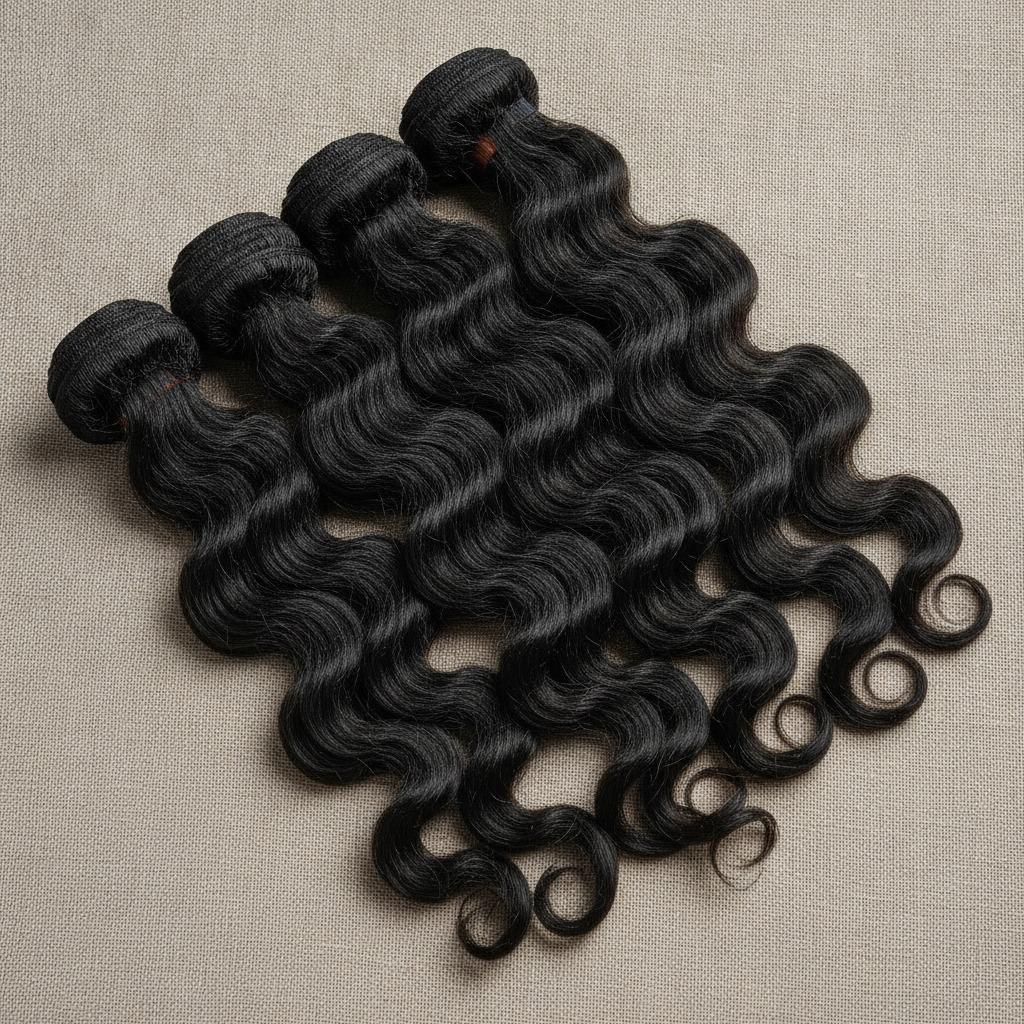
The product category here appears to be bundled hair extensions or wefts, shown as multiple black bundles with a wavy-to-curly finish. The visible use cases are familiar: sew-ins, weave installs, wig construction, and styling work for cosplay or stage hair. The real buying decision is whether the bundle format, texture, and finish will hold up in the intended application. That matters more than a glossy photo or a catchy listing title.
What the visible product details tell you
From the available product information, the bundles are black, elongated, and arranged in rows. The fiber surface looks soft and reflective, with a defined curl pattern at the ends and a more wavy body. Those are useful clues, even if they do not reveal the full construction. In sourcing terms, the visible traits help narrow the product’s likely role: it is designed to add length, volume, or both.
What you cannot safely assume is equally important. The image does not confirm whether the hair is human or synthetic, whether it is remy or virgin, what the exact length is, or how much each bundle weighs. It also does not show a lace base, clips, or other attachment hardware. A cautious buyer should treat those missing details as open questions, not as hidden selling points.
Quick reference: how these bundled styles are usually used
Salon installation
For salon work, bundled extensions need to blend cleanly and behave predictably during install. Stylists often care most about texture match, tangling risk, and whether the bundle can be colored, heat-styled, or curled further. If a client wants added volume rather than dramatic length, a textured bundle can be a better fit than a straighter pattern.
Wig making
Wig makers look at bundle direction, density, and visual consistency from root to tip. A wavy-curly structure can add movement, but it also raises the bar for uniformity. Small variations between bundles become obvious once the hair is ventilated or sewn into a cap.
Retail resale and beauty supply
For resellers, packaging, repeatability, and customer expectation matter as much as raw appearance. Customers often buy by look first and complain later if the texture does not match the photo. That is a buyer-facing warning worth repeating: if the product image shows curled ends, the shipment should not arrive with a much looser pattern unless the listing says so clearly.
Selection criteria that reduce returns
Most hair buying mistakes start with vague specifications. A useful spec sheet should separate visible attributes from verified ones. Visible attributes include color, curl pattern, bundle form, and general sheen. Verified attributes should include material type, length, weight, and any treatment status if the supplier has documented it.
In practical purchasing, texture match is often the deciding factor. A bundle with black wavy-curly structure may suit natural-looking installs better than a bone-straight option, but only if the curl pattern stays consistent after handling. Buyers should also ask how the hair behaves after washing. Some fibers relax, some tighten, and some lose definition quickly. That small difference can turn a promising sample into a poor repeat order.
Common mistakes buyers make
The first mistake is assuming all bundled hair products behave the same way. They do not. Human and synthetic fibers can differ sharply in heat response, softness, longevity, and maintenance. The second mistake is over-trusting product photos. Lighting can make the same bundle look denser, silkier, or darker than it really is.
Another common issue is ignoring end-use. A bundle that works for theatrical styling may not satisfy a salon customer who wants everyday wear. Likewise, a product that looks suitable for wig making may not be ideal for repeated reinstallations. Matching the product to the use case is what keeps a procurement decision from becoming a return problem.
Practical advice for sourcing teams and salon buyers
If you are evaluating this type of hair product, request a sample and test three things: visual blending, handling after combing, and behavior after cleansing. Even a basic bench test can reveal whether the curls hold shape or collapse into frizz. Ask for the supplier’s exact product description in writing, then compare it with the sample. If those two do not align, pause the order.
For teams that buy in volume, consistency across bundles is just as important as first-sample quality. One bundle may look ideal while the rest vary in curl tightness or thickness. That kind of drift is common enough to merit checking before repeat orders are locked in. It is not glamorous work, but it saves real money.
FAQ: what buyers usually ask
Is this human hair or synthetic hair?
The provided data does not confirm the fiber type. A supplier should state it clearly.
Can the hair be used for wigs?
Based on the visible bundle form and texture, wig making appears to be a likely application, but construction details still need verification.
What matters most when comparing options?
Start with fiber type, texture consistency, and intended use. After that, check weight, length, and maintenance requirements.
What to ask the supplier next
Before placing an order, ask for the material type, bundle weight, length, texture description, and whether the product is intended for sew-ins, wig making, or general styling. If the supplier cannot answer those basics cleanly, the product may be too loosely defined for serious procurement. A clear spec sheet is often the difference between a dependable stocking item and a shelf problem.
For buyers building a salon menu or a resale line, the next step is simple: verify the sample, document the spec, and make sure the product image matches the delivered bundle as closely as possible. In hair sourcing, that discipline matters more than a polished sales pitch.