
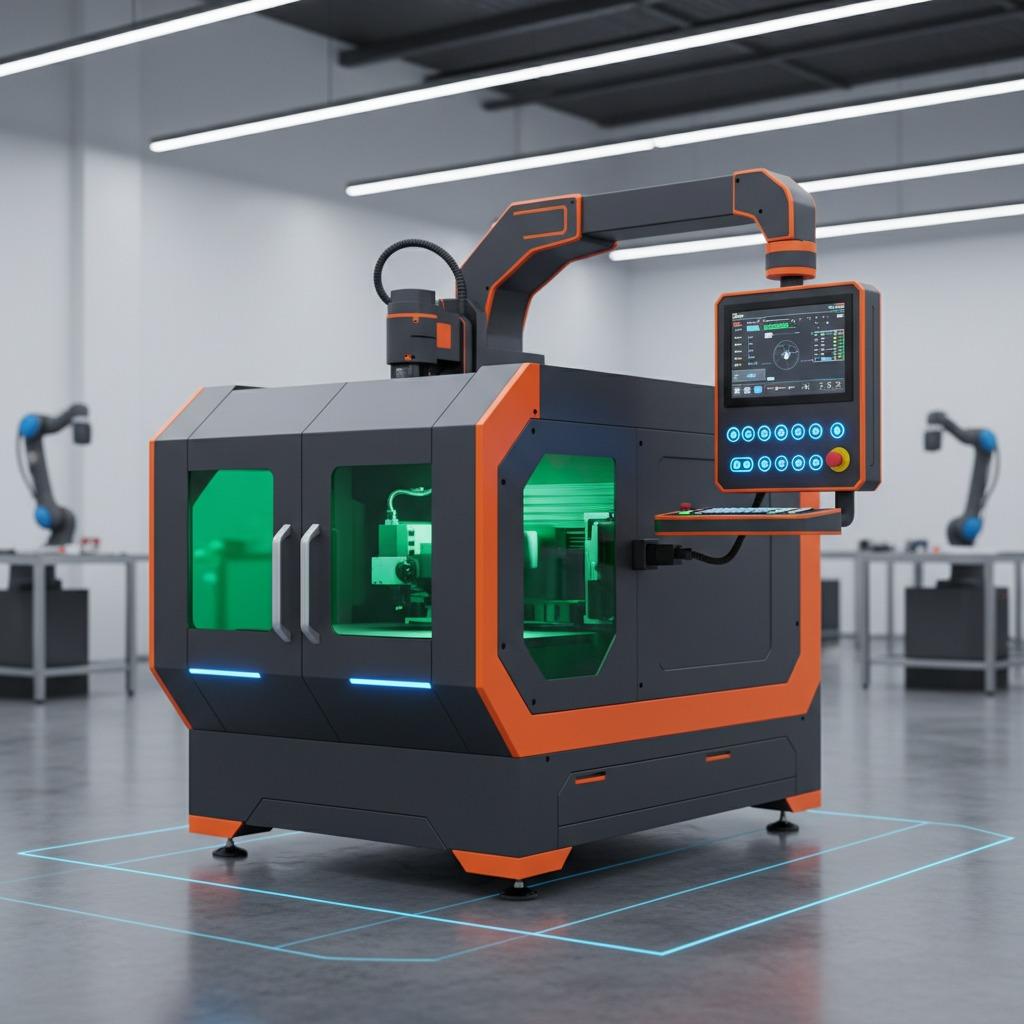
Unlocking the Power of Laser Welding: Precision Meets Innovation
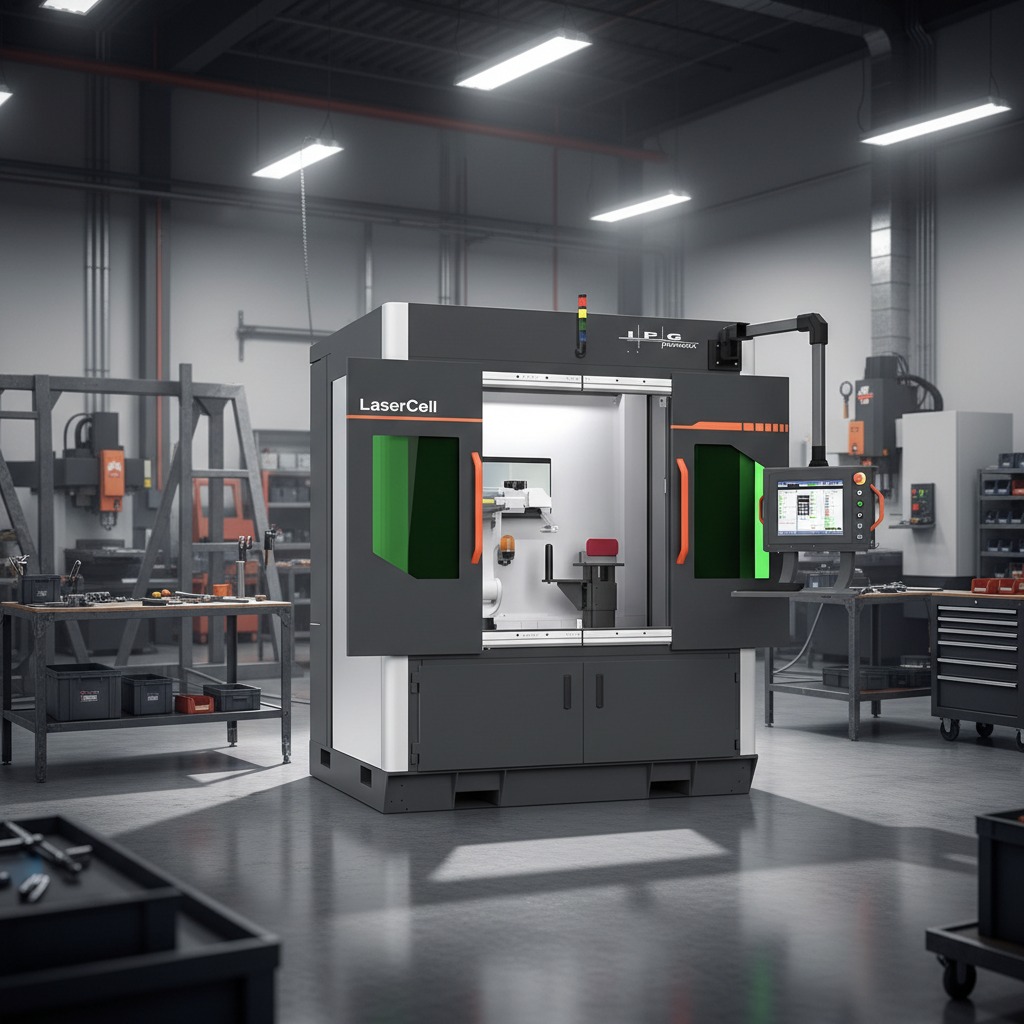
In the world of modern manufacturing, laser welding stands out as a revolutionary technique that combines speed, accuracy, and versatility. This advanced method uses a concentrated beam of light to fuse materials, creating strong, clean joints without the mess of traditional welding. At the forefront of this technology is the LaserCell, our state-of-the-art laser processing machine designed for precision and efficiency. With its enclosed workstation, the LaserCell ensures safety and environmental control, making it ideal for industries seeking high-quality results.
Laser welding technology has transformed how we approach fabrication, offering benefits that traditional methods simply can’t match. Imagine a process where heat is applied so precisely that there’s minimal distortion to surrounding materials, preserving the integrity of even the most delicate components. The LaserCell embodies this laser welding technology through its robust housing in a sleek black and green design, blending elegance with industrial strength. Its user-friendly touchscreen interface allows operators to control every aspect of the operation, from beam intensity to positioning, ensuring consistent outcomes every time.
Delving into the Laser Welding Process: Step-by-Step Excellence
The laser welding process begins with the preparation of materials, where clean, properly aligned workpieces are essential for optimal fusion. Once set up, the laser beam is directed at the joint, melting the surfaces in a flash of focused energy. This creates a weld pool that solidifies almost instantly, forming a bond that’s both durable and aesthetically pleasing. Our LaserCell streamlines this laser welding process with an integrated robotic arm that handles workpieces with pinpoint accuracy, reducing human error and boosting throughput.
What makes the LaserCell particularly remarkable in the laser welding process is its compact footprint, requiring minimal floor space without compromising on power. Whether you’re welding thin sheets of metal for automotive parts or thicker alloys for aerospace applications, this machine adapts seamlessly. The enclosed design not only protects operators from harmful emissions but also maintains a controlled atmosphere, preventing oxidation and ensuring pristine results. Picture the robotic arm gliding smoothly, positioning components under the laser’s gaze, each weld emerging flawless and ready for the next stage of production.
Advantages of Laser Welding Technology in Today’s Industries
Embracing laser welding technology means embracing efficiency and innovation. Unlike conventional welding, which often involves filler materials and extensive cleanup, laser welding produces narrow, deep penetration welds with little to no spatter. This translates to faster production cycles and lower operational costs. The LaserCell’s advanced automation takes these advantages further, allowing for programmable sequences that handle complex geometries effortlessly. Its versatile applications extend beyond simple joining to include cutting and etching, making it a multi-tool powerhouse for manufacturing, prototyping, and even artistic endeavors.
In high-stakes sectors like electronics and medical device production, where precision is paramount, laser welding technology shines brightest. The LaserCell’s touchscreen controls empower users to fine-tune parameters on the fly, adapting to various material thicknesses and types—from aluminum to titanium. The result? Welds that are not only strong but also visually impeccable, enhancing the overall quality of the final product. This technology minimizes heat-affected zones, preserving material properties and reducing the need for post-processing, which saves both time and resources.
Real-World Applications and Future of Laser Welding
From crafting intricate jewelry to assembling robust machinery, the applications of laser welding are boundless. In the automotive industry, it’s used to join battery components in electric vehicles, ensuring lightweight yet secure structures. For prototyping in research labs, the LaserCell’s flexibility allows rapid iterations, turning concepts into tangible prototypes overnight. The laser welding process here is a symphony of light and motion, with the machine’s green accents glowing softly against its black frame, a visual cue of the high-tech precision at work.
Looking ahead, advancements in laser welding technology promise even greater integration with AI and machine learning, optimizing welds in real-time based on material feedback. The LaserCell is already poised for this future, with its modular design supporting upgrades that keep pace with evolving needs. Industries worldwide are adopting this process to meet demands for sustainability—laser welding consumes less energy and generates fewer emissions compared to arc welding alternatives. As we push the boundaries of what’s possible, machines like the LaserCell continue to redefine manufacturing landscapes, one precise weld at a time.
Why Choose LaserCell for Your Laser Welding Needs
Selecting the right equipment is crucial, and the LaserCell stands tall among laser welding solutions. Its enclosed workstation not only complies with stringent safety standards but also creates an optimal environment for consistent performance. Operators appreciate the intuitive interface, which reduces training time and enhances productivity. The integrated robotic arm, with its smooth, reliable movements, ensures that every laser welding process is executed with the utmost care, minimizing defects and maximizing output.
In essence, investing in laser welding technology like the LaserCell means investing in your business’s future. This machine’s blend of cutting-edge features and user-centric design makes it accessible to both seasoned professionals and newcomers. Whether enhancing existing production lines or starting fresh with innovative projects, the LaserCell delivers results that captivate with their precision and reliability. As industries evolve, so does the need for tools that match that evolution—tools that turn the promise of laser welding into everyday reality.