
In the world of advanced manufacturing, laser welding stands out as a transformative technique that delivers unparalleled precision and efficiency. Imagine a process where beams of concentrated light fuse metals with microscopic accuracy, creating seamless joints without the distortions common in traditional methods. This is the essence of laser welding, a cornerstone of modern industrial innovation that powers everything from aerospace components to intricate medical devices. At the heart of this technology is the LaserCell, a cutting-edge machine engineered to revolutionize how businesses approach precision tasks.
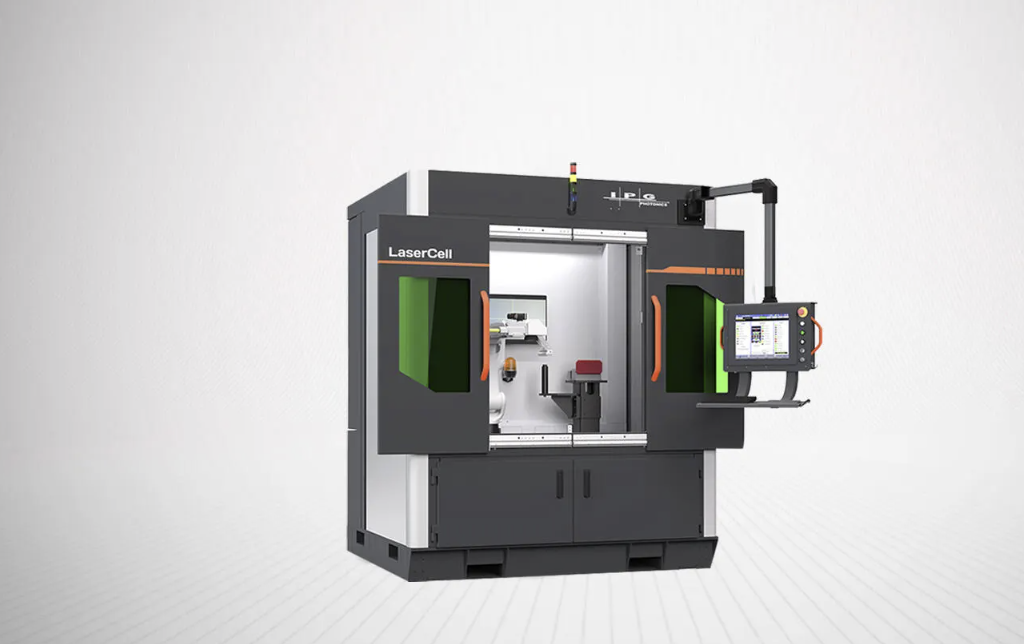
The LaserCell embodies the pinnacle of laser welding technology, seamlessly integrating sophisticated components into a compact, user-centric design. Its sleek exterior, crafted from durable materials that withstand rigorous industrial environments, houses a high-powered laser system capable of delivering energy with pinpoint control. Whether you’re welding delicate alloys or robust steel structures, the machine’s adaptive optics ensure optimal beam focus, minimizing heat-affected zones and preserving material integrity. The intuitive touch control panel serves as the command center, allowing operators to program parameters effortlessly—from pulse duration to power output—making complex operations accessible even to those new to laser welding technology. Safety features, including automated shut-off mechanisms and transparent viewing windows, provide peace of mind without compromising the thrill of watching the laser in action as it glides over surfaces, creating flawless bonds in seconds.
Delving deeper into the laser welding process, the LaserCell streamlines every stage from preparation to completion, offering a workflow that feels almost intuitive. It begins with precise material alignment on the adjustable worktable, where servo motors position workpieces with sub-millimeter accuracy. Once set, the laser welding process initiates: a focused beam travels at the speed of light, melting and fusing metals in a controlled atmosphere to prevent oxidation. Advanced software monitors real-time feedback, adjusting for variables like material thickness or joint geometry, ensuring consistent results across batches. This level of automation not only boosts productivity but also reduces waste, as the precision of laser welding technology eliminates the need for post-processing cleanup often required in conventional welding. Industries such as automotive, where lightweight yet strong chassis components are vital, find the LaserCell indispensable. Picture a production line humming with efficiency, where each weld contributes to vehicles that are safer and more fuel-efficient, all thanks to this remarkable system.
What sets the LaserCell apart in the realm of laser welding is its versatility, extending beyond basic joining to encompass cutting and engraving applications with equal finesse. The modular design allows for quick swaps of laser heads, adapting to diverse substrates from titanium to plastics without extensive downtime. In the laser welding process, programmable sequences enable multi-pass welding for thicker materials, building layers with the delicacy of an artist’s brushstroke, yet the power of industrial machinery. Environmental considerations are woven into its core; the system operates with minimal emissions and energy consumption, aligning with sustainable manufacturing goals. For electronics manufacturers, the precision of laser welding technology shines in assembling micro-components, where even the slightest misalignment could render a circuit board useless. The LaserCell’s vibration-dampening base ensures stability during high-speed operations, resulting in welds that are not just strong but aesthetically flawless, enhancing the overall quality of finished products.
Beyond its technical prowess, the LaserCell fosters innovation by integrating seamlessly with existing production lines. Its compact footprint—measuring just a few feet in width—fits into space-constrained workshops, while expandable connectivity options link it to CAD software for direct-from-design welding paths. Operators appreciate the ergonomic design, with adjustable heights and anti-fatigue flooring that make long sessions comfortable. In terms of maintenance, self-diagnostic tools alert to potential issues before they escalate, keeping downtime to a minimum. This reliability translates to tangible benefits: faster turnaround times, lower operational costs, and the ability to tackle custom projects that were once deemed too risky with older methods. As businesses push the boundaries of what’s possible, laser welding with the LaserCell opens doors to new applications, like repairing turbine blades in renewable energy sectors or fabricating jewelry with intricate patterns, all while maintaining the high standards demanded by discerning clients.
The adoption of laser welding technology through machines like the LaserCell is more than an upgrade; it’s a strategic leap forward in competitive manufacturing landscapes. Companies leveraging this technology report up to 50% increases in throughput, coupled with defect rates plummeting below 1%. The laser welding process isn’t just about joining materials—it’s about joining the future, where precision meets scalability. From prototyping in R&D labs to high-volume runs in factories, the LaserCell adapts, empowering engineers to dream bigger and deliver faster. Its robust construction, backed by rigorous testing for endurance, promises years of service with minimal intervention, making it a wise investment for forward-thinking enterprises. In an era where quality and speed define success, embracing laser welding with the LaserCell isn’t optional—it’s essential for staying ahead.
评价
Clear filters目前还没有评价