
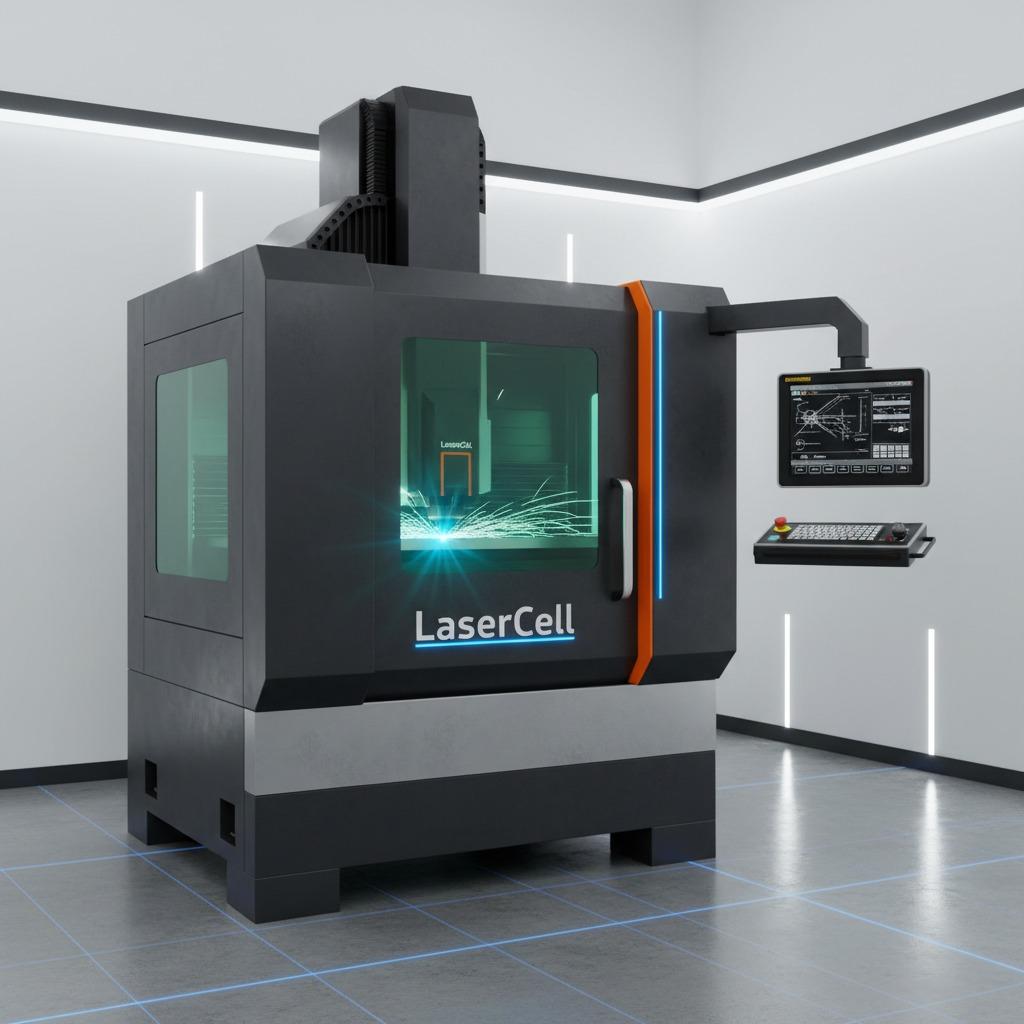
Exploring the Power of Laser Welding in Modern Manufacturing
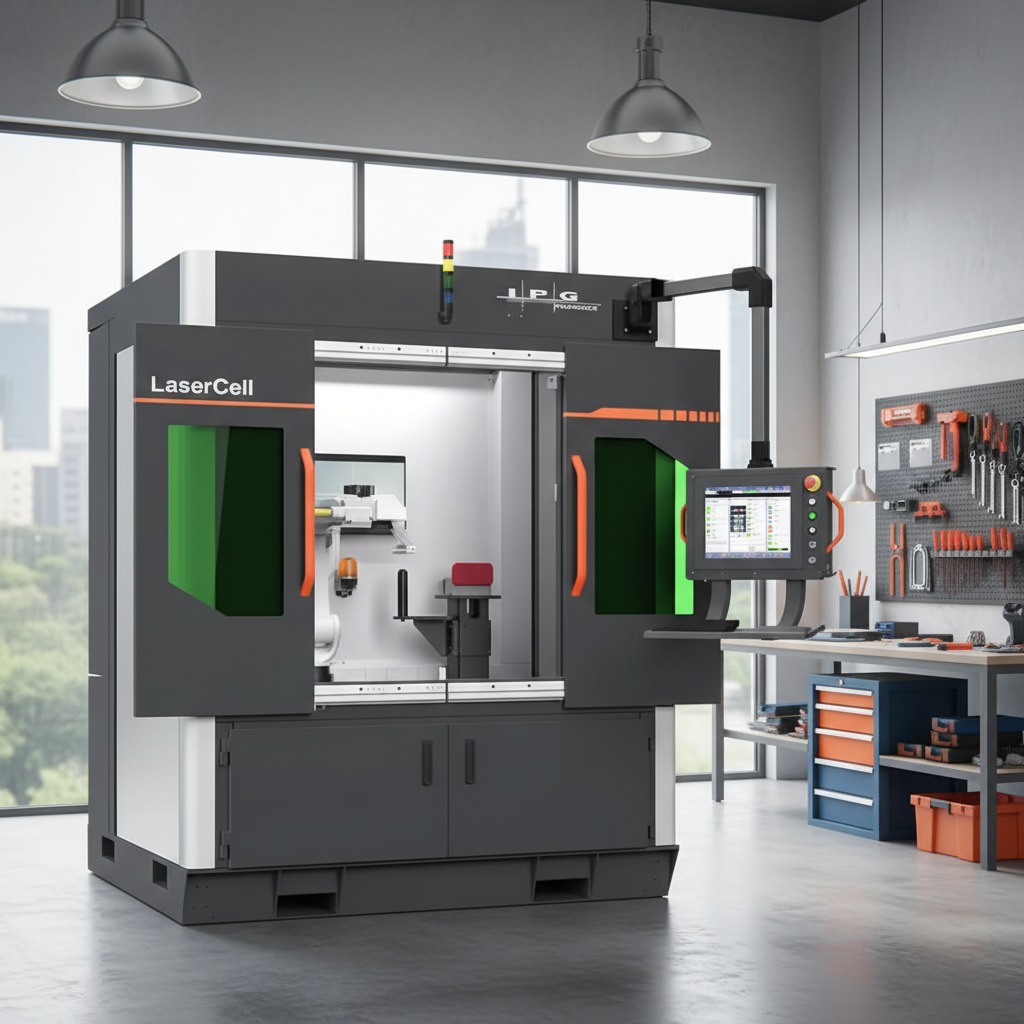
In the realm of precision engineering and industrial fabrication, laser welding stands out as a transformative technique that merges speed, accuracy, and reliability. This advanced method uses a concentrated beam of light to fuse materials seamlessly, offering unparalleled control over the welding process. As industries evolve towards more intricate designs and higher quality standards, understanding laser welding becomes essential for professionals seeking to elevate their production capabilities. At the heart of this innovation lies the LaserCell, our state-of-the-art machine that embodies the pinnacle of laser welding technology, designed to deliver exceptional results in diverse applications.
Delving into Laser Welding Technology: Precision at Its Finest
Laser welding technology represents a leap forward from traditional welding methods, harnessing the power of a high-intensity laser beam to melt and join metals with microscopic precision. Imagine a beam so focused that it can create welds as fine as a human hair, yet strong enough to withstand extreme pressures and temperatures. This technology excels in environments where conventional arc welding might introduce distortions or impurities. The LaserCell, with its robust construction and sleek, modern exterior, is engineered to optimize this process. Its dark, contrasting accents not only provide a sophisticated aesthetic but also improve visibility during operations, ensuring operators can monitor the laser welding technology in action without distraction. Equipped with high-performance laser components, the LaserCell supports a wide array of tasks, from delicate electronic assemblies to heavy-duty automotive parts, all while maintaining the integrity of the materials involved.
The beauty of laser welding technology lies in its versatility. For instance, it can handle both conductive and non-conductive materials, making it ideal for industries like aerospace, where every joint must endure rigorous testing. The LaserCell’s compact footprint allows seamless integration into existing manufacturing lines, reducing downtime and boosting overall efficiency. Picture a bustling workshop where the hum of machinery is punctuated by the precise zip of the laser, creating flawless seams that enhance product durability. This technology minimizes heat-affected zones, preserving the material’s original properties and reducing the need for post-weld finishing, which translates to cost savings and faster turnaround times.
The Intricacies of the Laser Welding Process: Step-by-Step Excellence
The laser welding process begins with meticulous preparation, where the materials are aligned under the guidance of the machine’s intuitive interface. Mounted on an adjustable arm, this user-friendly control system allows operators to input parameters with ease, monitoring real-time data to fine-tune the beam’s intensity and duration. As the laser activates, it delivers a pulse of energy that vaporizes the surface, creating a keyhole effect that draws in molten metal for a deep, penetrating weld. This process, far more controlled than traditional methods, ensures minimal spatter and oxidation, resulting in cleaner, stronger bonds.
In practice, the laser welding process with the LaserCell unfolds like a symphony of precision. The machine’s advanced optics focus the beam to a pinpoint, allowing for welds that are both narrow and deep—perfect for applications requiring high structural integrity. For example, in the medical device sector, where biocompatibility is paramount, this process ensures that implants and instruments are joined without compromising sterility or strength. The LaserCell’s design emphasizes safety and ergonomics, with enclosed workspaces that contain any potential hazards, letting operators focus on the task at hand. As the weld cools rapidly due to the laser’s localized heat, the result is a joint that boasts superior fatigue resistance, extending the lifespan of the finished product.
What sets the laser welding process apart is its adaptability to automation. Integrated with robotic arms or CNC systems, the LaserCell can execute complex patterns autonomously, ideal for high-volume production runs. Envision a factory floor where repetitive tasks are handled flawlessly, freeing human workers for more creative problem-solving. This efficiency not only accelerates output but also reduces human error, making it a cornerstone for lean manufacturing principles.
Advantages of Adopting Laser Welding in Your Operations
Embracing laser welding brings a host of benefits that can redefine operational excellence. Foremost is the precision it offers, enabling intricate designs that were once unattainable with older techniques. The LaserCell amplifies this by incorporating cutting-edge sensors that adjust the laser welding technology on the fly, compensating for material variations or environmental factors. This results in consistent quality across batches, crucial for sectors like electronics where even minor inconsistencies can lead to failures.
Speed is another hallmark, with the laser welding process completing tasks in fractions of the time required by MIG or TIG welding. In fast-paced industries such as consumer goods, this translates to quicker market delivery and competitive edges. Moreover, the reduced need for filler materials lowers material costs and simplifies supply chains. The LaserCell’s durable build ensures longevity, with minimal maintenance needs, providing a strong return on investment. Its user interface, accessible via the adjustable arm, democratizes operation, allowing even novice users to achieve expert-level results after brief training.
From an environmental standpoint, laser welding is cleaner, producing less waste and emissions compared to traditional methods that rely on fluxes or gases. This aligns with sustainable practices, appealing to eco-conscious manufacturers. The LaserCell’s energy-efficient design further minimizes power consumption, supporting green initiatives without sacrificing performance.
Real-World Applications and Future Innovations in Laser Welding
Across industries, laser welding shines in applications ranging from battery production in electric vehicles to jewelry crafting. In the automotive world, it secures lightweight components that improve fuel efficiency, while in shipbuilding, it forges massive hull plates with unyielding strength. The LaserCell adapts effortlessly to these scenarios, its versatile laser welding technology handling everything from aluminum alloys to titanium with equal prowess.
Looking ahead, the laser welding process is poised for further evolution, with integrations like AI-driven monitoring promising even greater automation. Enhanced beam shaping could enable welding of dissimilar materials, opening doors to hybrid constructions in renewable energy sectors, such as wind turbine blades. The LaserCell stands ready for these advancements, its modular design allowing upgrades that keep pace with innovation.
As we witness the fusion of artistry and science, laser welding continues to illuminate the path to manufacturing excellence. Whether you’re scaling operations or refining prototypes, incorporating this technology—exemplified by the LaserCell—ensures your enterprise remains at the forefront of industry standards, delivering products that captivate and endure.