
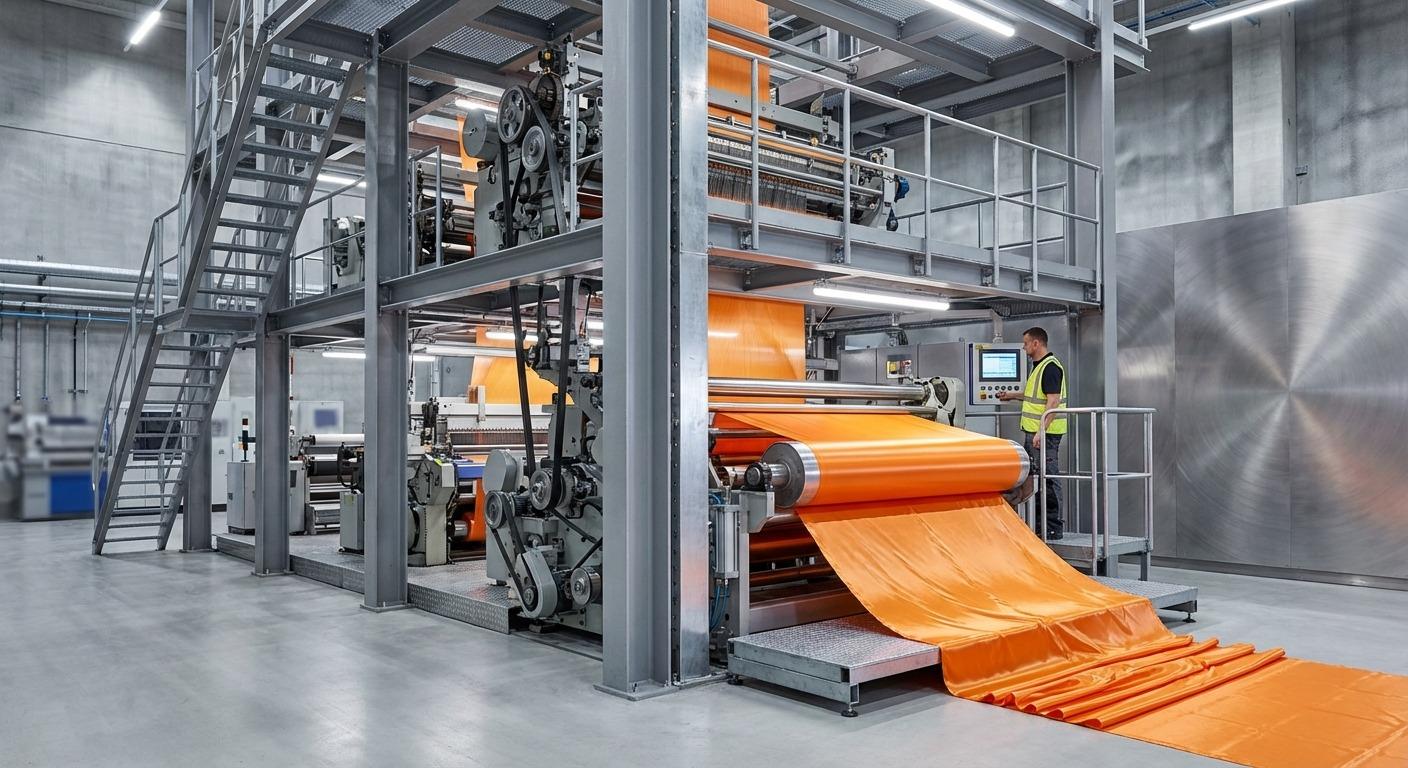
Discovering the Magic of the Jacquard Machine
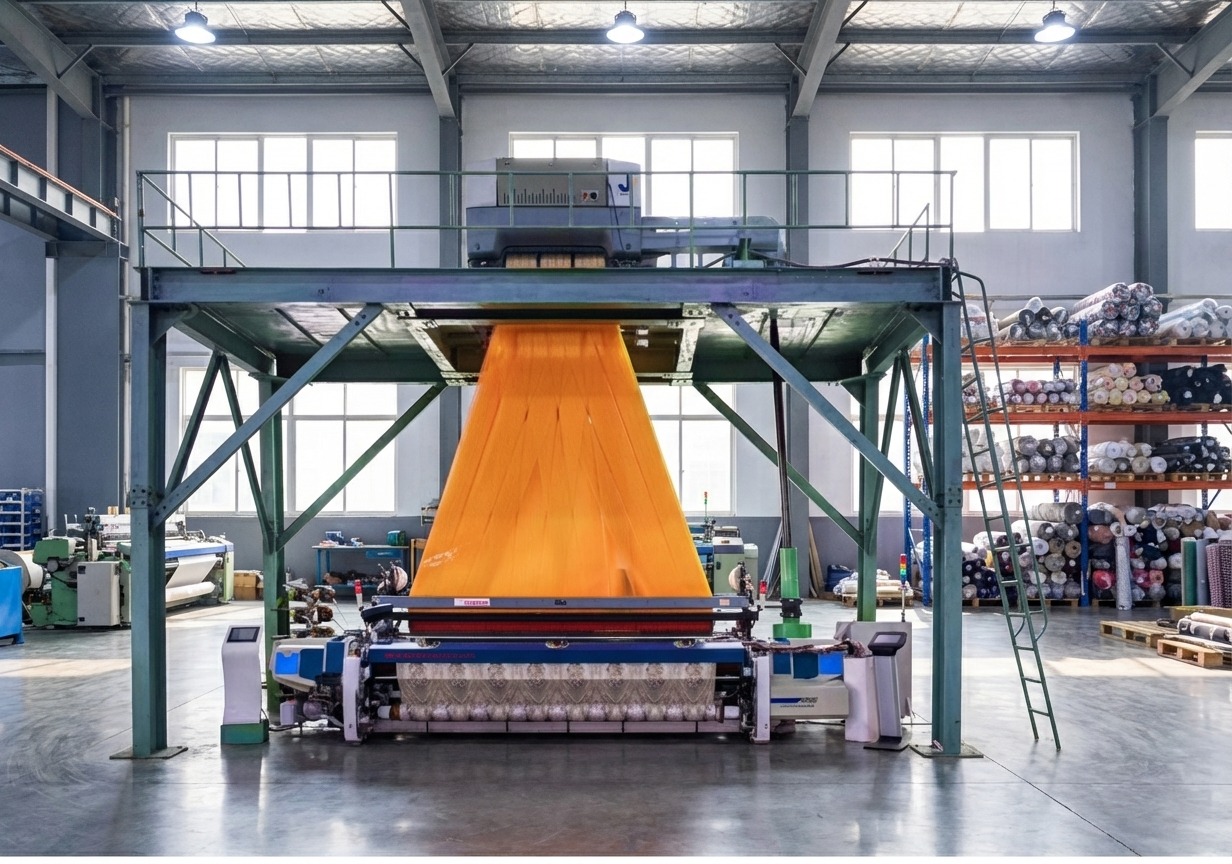
In the world of textile innovation, the jacquard machine stands as a timeless marvel, transforming intricate patterns into reality with breathtaking precision. This ingenious invention, first pioneered in the early 19th century, continues to captivate modern manufacturers and designers alike. Whether you’re delving into jacquard weaving or operating a jacquard loom, this technology embodies the perfect fusion of artistry and engineering, allowing for the creation of complex fabrics that were once only dreams. At its core, the jacquard machine revolutionizes how we approach textile production, enabling endless creativity while maintaining efficiency in every stitch.
The jacquard machine’s allure lies in its ability to produce detailed designs without the limitations of hand-weaving. Imagine a device that reads perforated cards or digital commands to lift specific warp threads, creating patterns that dance across the fabric like living artwork. In jacquard weaving, this process ensures that each thread is positioned with exactitude, resulting in fabrics rich with texture and depth. From luxurious upholstery to delicate apparel, the jacquard loom elevates ordinary yarns into extraordinary creations, handling everything from silk to sturdy synthetics with effortless grace. Its robust frame, often towering and imposing, houses a symphony of moving parts—needles, hooks, and shuttles—that work in harmonious rhythm, producing meters of patterned cloth in mere hours.
The Evolution and Mechanics of Jacquard Weaving
Tracing back to Joseph Marie Jacquard’s original design in 1804, the jacquard machine has evolved from a mechanical wonder to a digitally enhanced powerhouse. Early versions used punch cards to dictate patterns, much like an ancient computer, but today’s iterations incorporate computer-aided design (CAD) systems for unparalleled customization. In the realm of jacquard weaving, operators can now input complex motifs directly into the machine’s interface, watching as the jacquard loom brings them to life with vibrant colors and intricate motifs. This evolution not only speeds up production but also reduces waste, making it an eco-friendly choice for sustainable fashion brands.
Delving deeper into its mechanics, the jacquard machine operates on a principle of selective thread control. The warp yarns are threaded through heddles attached to a series of hooks, each controlled by the machine’s selection mechanism. When activated, these hooks lift or lower specific threads, allowing the weft to interlace in precise patterns. The jacquard loom’s versatility shines in its adaptability; it can weave everything from geometric repeats to pictorial scenes, ideal for tapestries or high-end scarves. Picture the soft hum of the machine as threads cascade like a waterfall, tension perfectly balanced to avoid snarls, resulting in fabrics that feel as good as they look. Safety features, such as automated shutoffs and ergonomic controls, ensure that operators can focus on creativity rather than concerns, making the jacquard machine a reliable partner in busy workshops.
Modern advancements have breathed new life into jacquard weaving, integrating sensors that monitor thread tension and speed in real-time. This means fewer defects and higher yields, crucial for industries pushing the boundaries of textile art. Whether crafting bespoke wedding gowns or industrial meshes, the jacquard loom delivers consistency that manual methods can’t match. Its capacity to handle multiple colors simultaneously—up to 12 or more—opens doors to hyper-detailed designs, where shadows and gradients emerge naturally from the weave structure. Enthusiasts often describe the satisfaction of seeing a digital blueprint transform into tangible fabric, a process that feels almost magical in its seamlessness.
Practical Applications and Innovations in Jacquard Looms
Beyond its historical roots, the jacquard machine finds applications in diverse sectors, from fashion to automotive interiors. In haute couture, designers leverage jacquard weaving to create one-of-a-kind pieces that tell stories through texture and pattern, like floral motifs that seem to bloom across a jacket’s surface. The jacquard loom’s precision is particularly valued in technical textiles, where patterns must align perfectly for functionality—think reinforced seat fabrics in luxury cars or breathable medical garments. This machine’s scalability allows small ateliers to produce limited runs with industrial quality, democratizing access to sophisticated weaving techniques.
Innovation continues to propel the jacquard machine forward, with hybrid models combining traditional mechanics with AI-driven optimization. These smart jacquard looms predict potential errors, adjust speeds for different yarns, and even suggest design improvements based on material properties. For instance, when weaving with delicate cashmere, the machine fine-tunes its operations to prevent breakage, ensuring every piece is flawless. Sustainability is another frontier; energy-efficient models reduce power consumption by up to 30%, appealing to eco-conscious producers. Visualizing the setup, one sees beams of yarn gleaming under workshop lights, feeding into the jacquard loom’s heart, where patterns emerge layer by layer, building a narrative in fiber.
The economic impact of the jacquard machine cannot be overstated. By streamlining jacquard weaving processes, it cuts labor costs while boosting output, enabling businesses to compete globally. Training on a jacquard loom is straightforward, with intuitive interfaces that guide users from basic stripes to elaborate damasks. Maintenance is equally user-friendly, with modular parts that allow quick swaps, minimizing downtime. As textile demands grow more varied, this machine adapts, incorporating features like variable weave densities for 3D effects, perfect for modern architecture or avant-garde fashion. It’s a testament to enduring ingenuity, where each revolution of its mechanisms weaves progress into the fabric of industry.
Embracing the Future with Jacquard Technology
Looking ahead, the jacquard machine promises even greater integration with emerging technologies, such as 3D printing for custom attachments or blockchain for tracing yarn origins. In jacquard weaving, these developments could lead to fully traceable, on-demand production, reducing overstock and environmental footprint. The jacquard loom’s role in education is also expanding, with simulators teaching the next generation about its nuances—from card punching to code programming. Enthusiasts experiment with unconventional materials, like metallic threads for conductive fabrics in wearables, pushing jacquard technology into smart textiles.
Ultimately, the jacquard machine is more than equipment; it’s a bridge between heritage and horizon, inviting creators to explore boundless possibilities. Its vivid legacy, from Napoleonic-era silks to tomorrow’s innovations, underscores its enduring appeal. Whether in a bustling factory or a quiet studio, the rhythmic clatter of a jacquard loom signals creation in motion, turning visions into velvety realities. As we stand on the cusp of textile revolutions, this machine remains a cornerstone, ready to weave the next chapter of design excellence.