
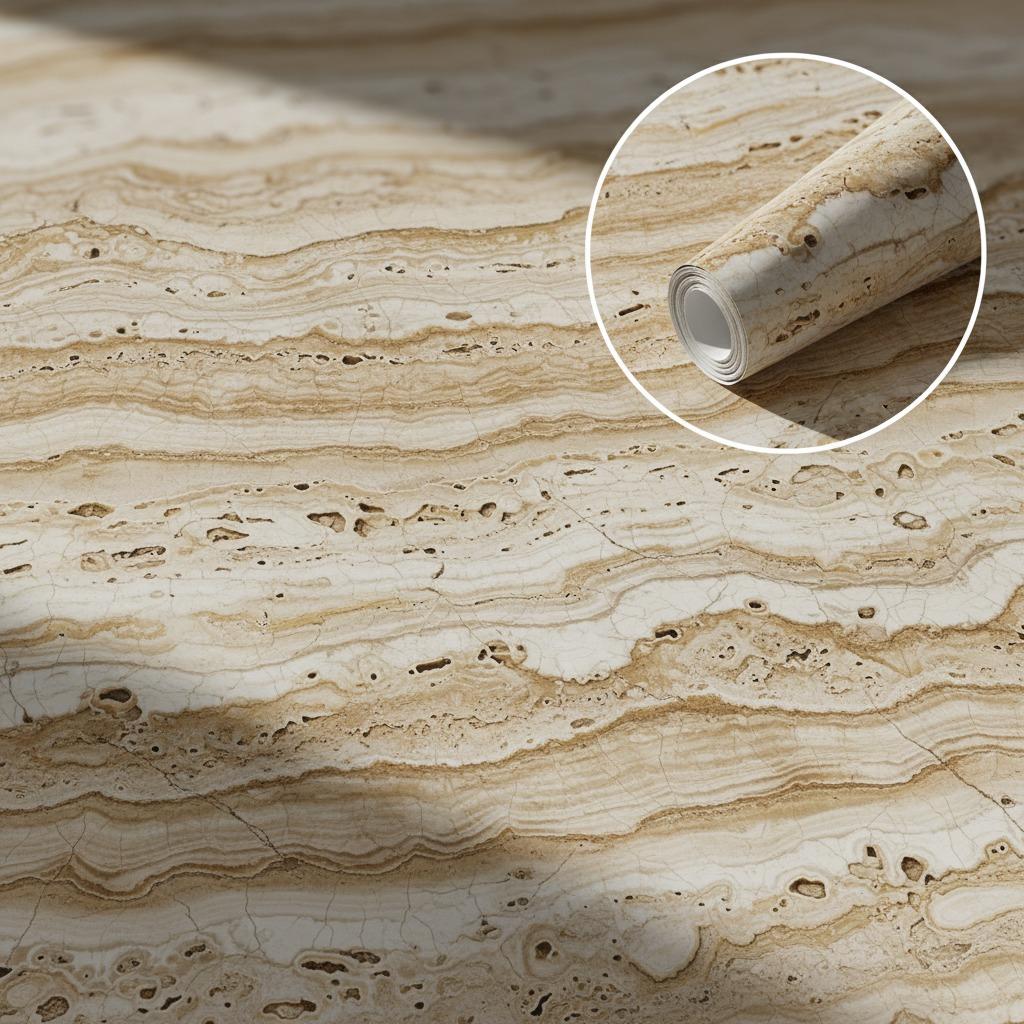
Discover the Elegance of Flexible Stone in Modern Design
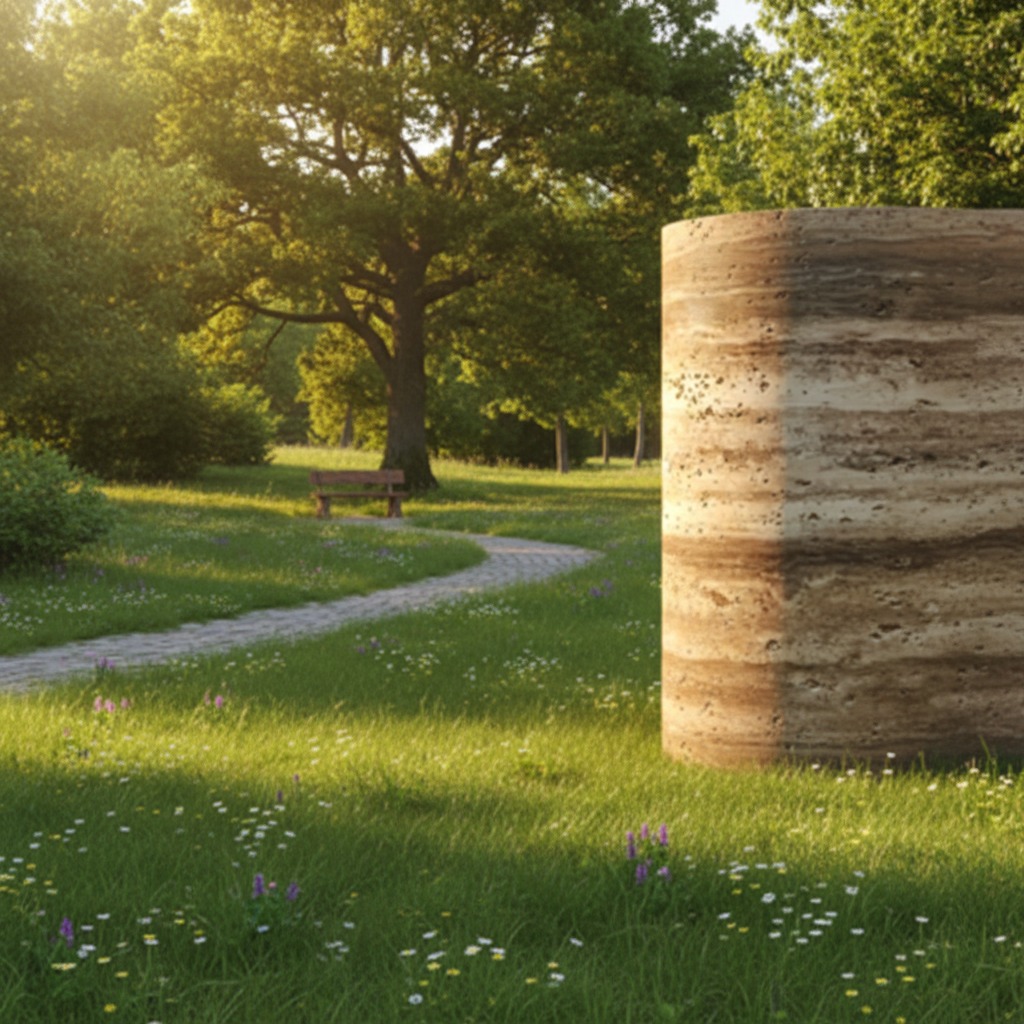
In the world of contemporary interiors, flexible stone emerges as a transformative material that blends the timeless beauty of natural rock with the adaptability of modern innovation. This remarkable substance, often manifesting in forms like flexible stone panels and flexible stone tiles, allows designers to infuse spaces with authentic stone aesthetics without the rigidity of traditional slabs. Imagine surfaces that curve gracefully around corners, adhere seamlessly to walls, or even wrap around furniture, all while capturing the raw, organic essence of quarried stone. Flexible stone panels, for instance, offer a lightweight alternative to heavy marble or granite, making them ideal for renovations where structural limitations apply. Their ability to mimic the veining and texture of real stone brings a sense of grounded luxury to any environment, from sleek urban apartments to serene coastal retreats.
The Allure of Flexible Stone Panels: Texture and Versatility
Delve deeper into the captivating world of flexible stone panels, and you’ll uncover a material that pulses with natural vitality. These panels are crafted from thin layers of genuine stone adhered to a flexible backing, often fiberglass or polymer, which grants them an extraordinary pliability. Picture a sun-drenched Mediterranean villa where walls undulate softly, clad in flexible stone panels that replicate the warm hues of limestone quarried from ancient cliffs—creamy beiges interspersed with subtle fossil imprints and delicate striations that tell stories of geological epochs. The texture is vividly tactile; run your fingers across the surface, and you’ll feel the subtle porosity, the faint ridges that evoke wind-eroded canyons, yet without the weight that demands reinforced foundations. In practical terms, flexible stone panels install with ease using simple adhesives, reducing labor costs and installation time dramatically compared to rigid counterparts. They resist cracking under movement, perfect for earthquake-prone areas or high-traffic zones like hotel lobbies. Designers adore their versatility: curve them over archways for a seamless flow, layer them in bathrooms to create spa-like enclosures, or apply them to ceilings for an immersive stone cavern effect. The result is not just a surface but a living element that breathes depth into minimalist spaces, harmonizing with wood accents or metallic fixtures to craft layered, inviting atmospheres.
Transforming Spaces with Flexible Stone Tiles
When it comes to flooring and accents, flexible stone tiles stand out as a game-changer, offering the durability of stone with unprecedented adaptability. Envision a contemporary kitchen backsplash where flexible stone tiles in earthy terracotta tones wrap around curved islands, their matte finishes reflecting soft light like dew-kissed pebbles on a riverbed. These tiles, typically sliced to mere millimeters thick and backed for flexibility, can be cut with standard tools and installed on uneven surfaces, from aged plaster walls to outdoor patios. The visual drama is undeniable: intricate patterns of quartz veins in slate-gray and charcoal weave through each tile, creating a mosaic that feels hand-laid by artisans in a Tuscan workshop. Unlike brittle ceramic alternatives, flexible stone tiles withstand thermal shifts and moisture, making them a resilient choice for high-humidity areas like showers or pool surrounds. Their lightweight nature—often a fraction of real stone’s heft—opens doors for creative applications, such as cladding mobile homes or temporary event structures without compromising on opulence. In interior styling, they pair exquisitely with plush textiles and glass elements, grounding ethereal designs in tangible earthiness. Consider a loft conversion where flexible stone tiles form a feature wall, their subtle sheen catching afternoon rays to cast warm shadows that dance across the room, evoking the quiet grandeur of a mountain lodge.
Practical Applications and Benefits of Flexible Stone
Beyond aesthetics, the practical advantages of flexible stone elevate it to an essential in sustainable and efficient design. Flexible stone panels and tiles contribute to eco-friendly builds by minimizing material transport—less weight means lower carbon emissions during shipping—and reducing waste from on-site cutting. Their longevity is impressive; treated with sealants, they fend off stains and fading, ensuring decades of vibrant appeal. In commercial settings, such as boutique hotels or office receptions, flexible stone tiles create focal points that draw the eye without overwhelming budgets. Homeowners, too, find solace in their DIY-friendly installation: peel-and-stick varieties of flexible stone panels allow for quick weekend transformations, turning bland hallways into textured galleries reminiscent of Italian frescoes. Maintenance is straightforward—a damp cloth suffices to preserve the patina that develops over time, adding character much like aged leather. From an acoustic perspective, the inherent density of the stone layer in these products dampens sound, enhancing tranquility in open-plan living areas. Moreover, their thermal properties provide natural insulation, keeping interiors cool in summer and cozy in winter, aligning with passive house principles. As urban spaces densify, flexible stone offers a way to infuse biophilic elements—those connections to nature—into concrete jungles, fostering well-being through its organic forms and colors.
Innovative Styling Ideas with Flexible Stone
Styling with flexible stone unlocks endless possibilities, where imagination meets functionality. For a bohemian-chic bedroom, apply flexible stone panels in soft alabaster shades behind the headboard, creating a serene backdrop that contrasts beautifully with linen duvets and woven rugs. In outdoor applications, flexible stone tiles on a pergola’s interior mimic the rugged beauty of canyon walls, turning alfresco dinners into immersive experiences under starlit skies. Blend them with contemporary elements: pair the mottled textures of flexible stone with polished concrete floors for an industrial edge, or layer over reclaimed wood for rustic warmth. In wellness spaces, like home gyms or meditation rooms, the grounding presence of flexible stone panels soothes the senses, their earthy palette promoting calm amid daily chaos. Experiment with backlighting to highlight the translucent qualities in certain varieties, casting ethereal glows that transform evenings into moments of quiet luxury. For those embracing maximalism, mix patterns—pair veined flexible stone tiles with geometric prints—while minimalists can let the material’s inherent elegance shine solo. The key lies in balance: flexible stone’s adaptability ensures it enhances rather than dominates, weaving narratives of nature into the fabric of modern life.
The Future of Flexible Stone in Design Trends
Looking ahead, flexible stone is poised to redefine interior and architectural landscapes, driven by advancements in material science. Innovations like self-healing backings and integrated LED compatibility promise even greater durability and interactivity. As sustainability demands intensify, flexible stone’s recyclability and low environmental footprint will cement its role in green certifications. Designers are already pushing boundaries, using flexible stone panels in curved furniture or wearable art installations, blurring lines between decor and sculpture. In the realm of flexible stone tiles, expect hybrid versions blending stone with recycled composites for enhanced eco-profiles. This evolution ensures flexible stone remains not just a trend, but a timeless staple, inviting us to reimagine spaces with the poetry of the earth—fluid, resilient, and profoundly beautiful.