
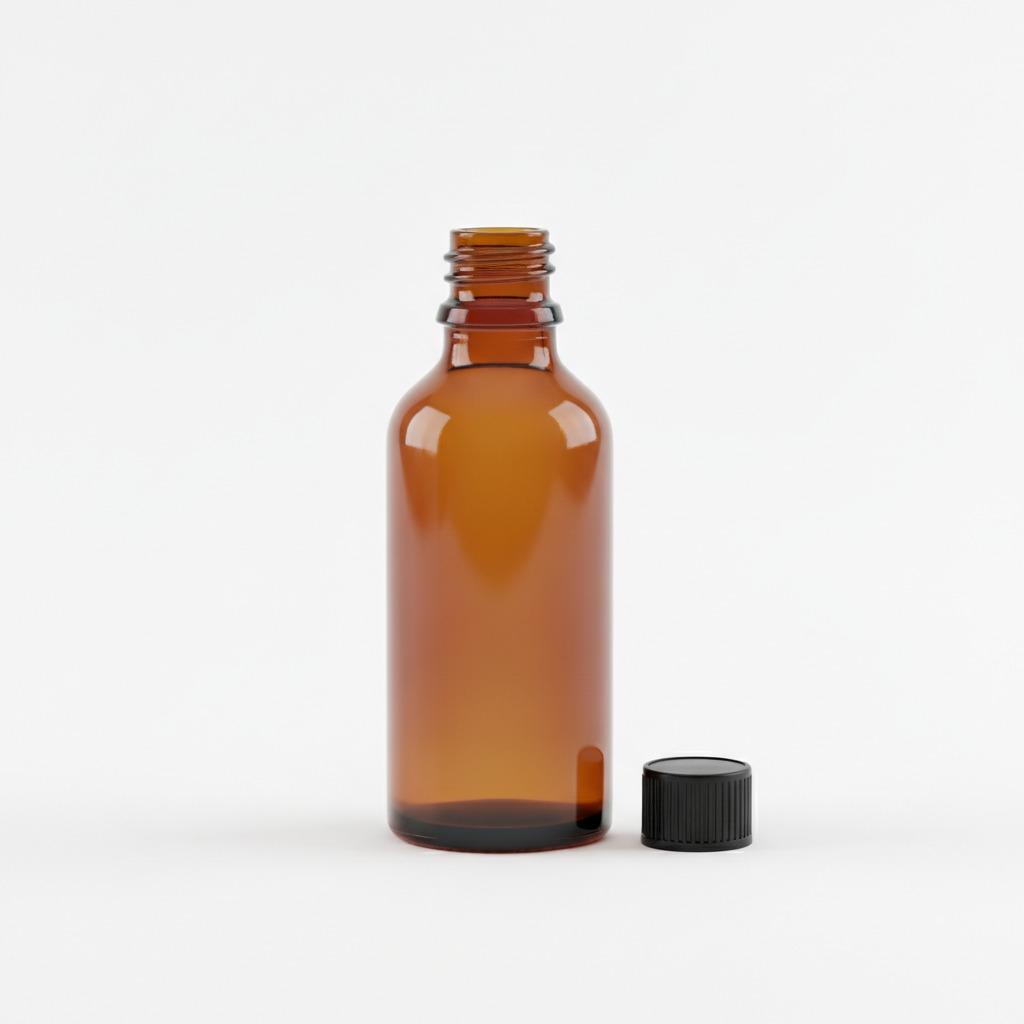
Amber Glass Bottles: a small packaging choice that protects a lot more than it looks
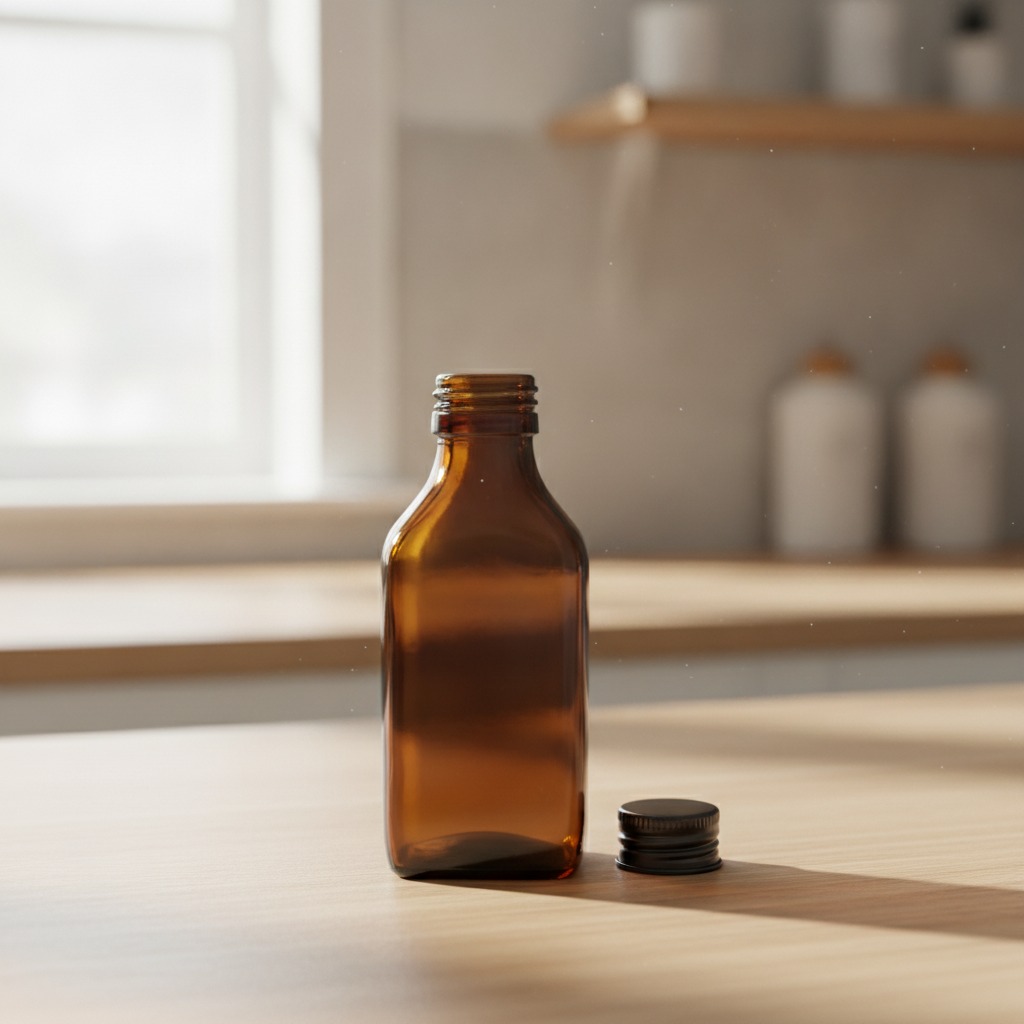
Amber glass bottles are one of those packaging formats that seem almost too ordinary to talk about until a product starts fading, oxidizing, or losing potency on the shelf. For engineers, sourcing managers, and product teams, the question is rarely whether amber glass bottles look good; it is whether they are the right barrier, the right format, and the right closure system for a liquid that cannot afford casual handling. In pharmaceuticals, nutraceuticals, cosmetics, laboratory liquids, and specialty chemicals, that decision can affect product stability, dispensing behavior, and the overall impression a buyer gets the moment the bottle is pulled from a carton.
The bottle form described here is a compact rectangular, shoulder-style glass container with a threaded neck and a separate screw cap. That combination is common for liquids that need controlled storage and a tidy footprint. The amber color adds light protection, while the narrow neck and screw closure support practical filling and everyday use. Simple on the surface, yes, but often the details decide whether a package feels dependable or merely convenient.
Why amber glass matters when the contents are light-sensitive
The main reason buyers reach for brown glass bottles is straightforward: amber glass helps reduce exposure to light. That matters when a formula can degrade, discolor, or lose effectiveness under ordinary retail, warehouse, or countertop lighting. Not every liquid needs this level of protection, but once a product contains light-sensitive actives, oils, extracts, or certain chemical blends, transparent packaging can become a liability.
This is where amber glass bottles earn their place. The darker tint does not make contents invulnerable, but it creates a more forgiving environment than clear glass. For a sourcing team, that changes the packaging conversation from “What fits?” to “What preserves the product best?” It is a subtle but important shift.
A practical aside: some buyers focus only on the glass and forget the closure. A good amber bottle with a poorly matched cap can still lead to leaks, evaporation, or customer complaints. The bottle and cap should be treated as a system, not as separate purchases glued together by optimism.
What the visible bottle design suggests
The product shown appears to be a small rectangular bottle with rounded shoulders, a flat base, and a threaded neck. That shape is not decorative clutter. It is a packaging geometry with a purpose.
The rectangular body helps the bottle sit neatly in cartons, trays, and storage boxes. Rounded shoulders make the transition to the neck less abrupt, which is often easier on filling lines and gives the container a more finished profile. The narrow neck supports screw-on closure and controlled dispensing, especially when the liquid is intended for measured use rather than free pouring.
The separate black cap, with its low-profile ribbed form, suggests a grip-friendly closure that is meant to be tightened by hand. The image does not confirm liner type, tamper evidence, or whether the cap is supplied assembled or loose, so buyers should not assume those details without checking. In packaging work, small assumptions are expensive.
Typical applications where this format makes sense
Amber bottle suppliers often see demand from a few repeat categories:
Light-sensitive medicines and pharmacy-style liquids
Essential oils, tinctures, and herbal extracts
Cosmetic serums, toners, and treatment liquids
Laboratory samples and specialty chemical liquids
Small-batch or premium formulations where shelf presentation still matters
The format is especially useful when the liquid is not just stored but also dispensed repeatedly by the end user. In those cases, a stable bottle shape and dependable closure can matter as much as the glass itself.
Amber versus clear: a buyer’s quick comparison
Choosing between amber glass bottles and clear alternatives often comes down to function rather than brand preference.
Amber glass is the practical choice when the product needs more protection from light and a more “technical” or pharmacy-adjacent appearance. Clear glass can work well when color, clarity, or visual appeal is part of the selling point, but it offers less shielding and can place more burden on secondary packaging.
For products that are packaged in small volumes, re-opened often, or stored in changing light conditions, amber is usually the safer default. For decorative personal care items, clear glass may be better if the formula is stable and visual merchandising is a priority. There is no universal winner; the formula should decide.
Selection criteria that matter more than color alone
When comparing amber bottle suppliers, the bottle color is only the starting point. A serious buyer should ask what the bottle needs to do in real use, not just how it looks on a product page.
1. Closure compatibility
The visible threaded neck suggests a screw-on cap, but the actual closure system still needs to be verified. Check whether the cap threads cleanly, whether a liner is included, and whether the seal matches the liquid’s viscosity and volatility. A thin essential oil behaves very differently from a thicker cosmetic blend.
2. Filling and handling
A compact rectangular body can improve storage efficiency, but the bottle still needs to fit the filling line, labeling setup, and shipping carton. Straight-sided containers are usually easier to label than unusual contours, though shoulder geometry can still affect panel space.
3. Product compatibility
The bottle image tells us it is suitable in broad terms for liquids such as medicines, cosmetics, essential oils, tinctures, or samples. It does not confirm compatibility with specific aggressive chemicals. That should be tested or qualified before a purchase commitment.
4. End-user experience
A bottle that looks sturdy in a warehouse can still be awkward on a bathroom shelf or lab bench. The compact footprint and flat base help here. So does the low-profile cap, which usually makes the package feel neat and easy to store.
What manufacturing buyers should confirm before ordering
The likely manufacturing route is molded glass bottle production with a threaded neck finish, while the cap is probably injection-molded plastic or a formed closure. That is a reasonable assumption, but it remains an assumption. Buyers should confirm the following before placing a production order:
The actual capacity
Glass type and wall construction
Neck finish dimensions and thread standard
Closure material and liner type
Whether the bottle and cap are supplied together or separately
Any cleaning, sterilization, or treatment status
Recyclability claims, if they matter to your market position
None of those details should be guessed from appearance alone. Packaging is full of surprises, and the surprise is rarely welcome when a line is already scheduled.
Common mistakes when sourcing amber glass bottles
One frequent mistake is choosing the bottle by appearance and then discovering the closure is not suited to the liquid. Another is ignoring how the shape will travel through the supply chain. Rectangular bottles save space, but they still need stable packing to prevent glass-on-glass contact during shipping.
A second mistake is assuming all brown glass bottles provide the same degree of light protection. Amber tint levels can vary, and buyers who rely on protective performance should ask for more than a color name.
A third is over-specifying when the application is simple. Not every bottled liquid needs an elaborate container. Sometimes the right answer is a compact amber bottle with a secure screw cap and a clear label panel. Simplicity can be a strength when it is chosen intentionally.
Practical advice for product teams and procurement
If you are packaging a light-sensitive formula, start with the stability need, not the artwork. Ask whether the product will be exposed to sunlight, retail lighting, transport heat, or repeated opening. Then match the bottle to the use case.
If you are comparing amber bottle suppliers, look beyond catalog photos. Ask for dimensional drawings, closure details, and sample units if possible. The shape in the image suggests a compact, easy-to-store format, which is useful, but it still needs to prove itself in your actual handling workflow.
For new product launches, test the bottle with the intended liquid early. That sounds obvious, but many teams delay it until after design approval. By then, changes are more expensive and more awkward to make.
FAQ: quick answers buyers usually need
Are amber glass bottles only for pharmaceuticals?
No. They are also widely used for cosmetics, essential oils, tinctures, laboratory liquids, and specialty chemical products.
Why choose brown glass bottles instead of clear ones?
Because the darker tint helps reduce light exposure, which can be important for sensitive formulas.
Can I assume the cap is included?
Not from the image alone. The bottle shows a separate screw cap, but buyers should confirm supply format before ordering.
Are these bottles suitable for every liquid?
No. Compatibility depends on the contents, closure, and intended storage conditions.
Next step for buyers
If you are evaluating amber glass bottles for a light-sensitive product, treat the bottle, closure, and filling process as one decision. Start with the liquid’s stability needs, confirm the neck finish and cap details, and then check whether the compact rectangular format fits your line and your shelf. That is usually the shortest route to a package that works in the plant, in transit, and in the customer’s hand.
For sourcing teams, the smartest move is to request full specifications before comparing price alone. The right bottle is rarely the cheapest one on paper; it is the one that quietly avoids problems later.