
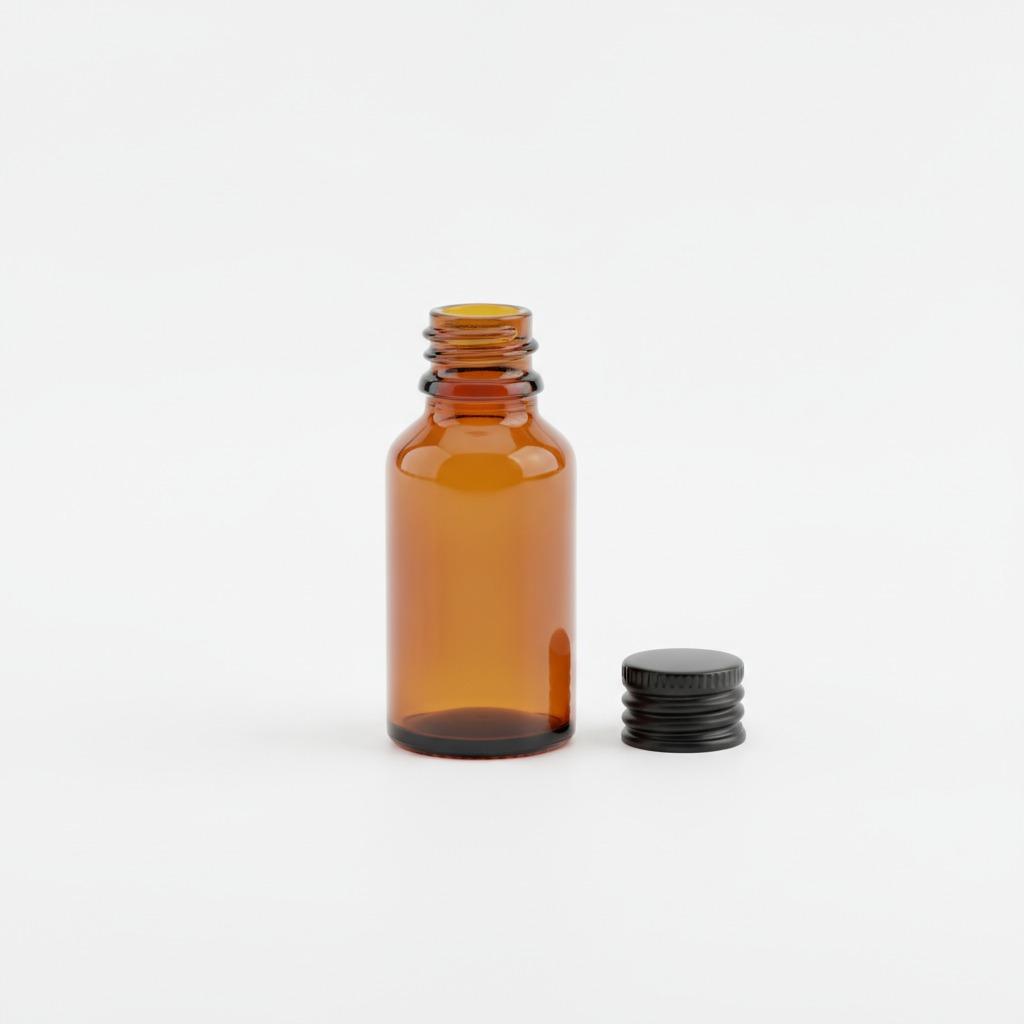
Why amber glass bottles still get specified when the label design changes every year
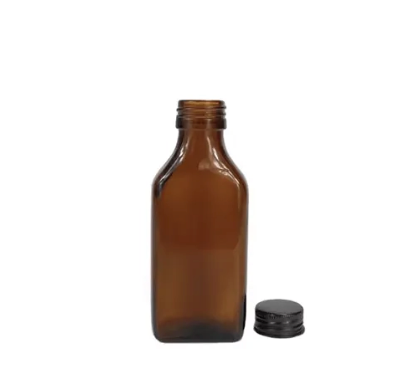
Amber glass bottles are one of those packaging choices that keep showing up in purchasing meetings for a reason. They are plain enough to disappear into the background, but they do an important job: they help shield light-sensitive liquids while giving brands, labs, and contract fillers a rigid container that feels more stable than many plastic alternatives. If you are sourcing packaging for serums, tinctures, fragrance oils, reagent samples, or small-batch chemical liquids, the decision is rarely just about color. It is about product protection, dispensing behavior, storage efficiency, and how easily the container fits the rest of the line.
The basic appeal is straightforward. The amber tint is useful for contents that should not sit in direct light, and the glass body gives a clean, non-porous surface that many buyers prefer for premium formulations and laboratory use. A rectangular or flat-shoulder shape, like the kind often seen in compact glass bottle formats, can also be easier to pack tightly in cartons or shelved sets. That may sound minor, but in warehousing and shipping, small geometry choices can influence how much wasted space you carry around.
What buyers usually need to decide first
When people search for amber glass bottles, they are often trying to answer a practical question rather than a design question: which bottle is suitable for the liquid, the closure, and the handling environment? The bottle itself is only one piece of the package. The closure, neck finish, fill volume, and intended application matter just as much.
A quick way to frame the decision is to look at four points:
– What the liquid needs from the container, especially light shielding and chemical compatibility.
– How the product will be dispensed, stored, and reopened.
– Whether the bottle shape supports labeling, packing, and shipping.
– Whether the supplier can provide a consistent container and matching closure system.
That sounds obvious, but many packaging problems start when teams focus on appearance before function. A bottle can look right and still create trouble if the neck finish is not compatible, the closure is wrong, or the body shape causes labeling wrinkles.
Why amber is chosen over clear glass
Amber glass bottles are often selected because the tint helps reduce exposure to visible light. That is not the same thing as promising a specific level of UV protection, and buyers should be careful about assuming performance without verification. Still, the color is widely used for products that can degrade, shift color, or lose stability under light.
In everyday manufacturing language, this makes amber a practical middle ground. It is more protective than clear glass for many use cases, but it does not carry the heavy visual darkness of some opaque packages. For brands, that matters when the product needs protection without looking industrial. For labs, it matters because the package should be functional first and tidy second.
There is also a tactile reason teams keep coming back to glass. The surface feels solid, the body does not flex under handling, and the package can support a more premium impression for cosmetic liquids and specialty oils. That said, glass also brings weight and breakage concerns. If the product is going into a distribution network with rough handling, those costs need to be acknowledged instead of glossed over.
Typical bottle features that matter in sourcing
The visible bottle format described here is a small rectangular or flat-shoulder glass bottle with a short threaded neck and a separate black screw cap. That combination is common in small liquid packaging because it is simple, familiar, and easy to integrate with standard closures.
For sourcing teams, a few visible details deserve attention:
Rectangular footprint
A rectangular bottle can help with storage density. Bottles sit closer together on shelves, and cartons can sometimes be packed more efficiently than with round formats. It also gives a label a flat panel to sit on, which is useful for product information, compliance text, or batch identification.
Threaded neck
A threaded neck usually means the closure can be matched to a standard screw cap style. That is helpful, but it is not enough to assume compatibility. Neck finish, thread profile, and liner requirements still need to be checked with the supplier. A cap that looks right in a photo is not automatically the right closure for your liquid.
Separate black cap
The black cap suggests a straightforward closure system, possibly plastic or metal, with a low-profile shape. Buyers often like this because it is visually neutral and works across product categories. However, liner type, seal performance, and tamper-evidence features should be confirmed before committing to volume.
Where amber glass bottles fit best
These bottles are commonly used across several categories, and that range is part of the reason they remain so common.
– Cosmetic liquids such as serums, essences, facial oils, and treatment blends.
– Essential oils and fragrance oils where light exposure is a concern.
– Tinctures and herbal extracts that need stable storage.
– Laboratory or sample fluids that benefit from a rigid, clearly identifiable container.
– Certain chemical or reagent samples where the glass package is preferred over plastic.
The common thread is not the brand category. It is the need for a stable container that can support controlled dispensing and offer some light shielding. If your formulation is highly sensitive, though, do not stop at color alone. You may need to verify closure performance, compatibility with the product, and whether additional secondary packaging is required.
Brown glass bottles and amber bottles are close cousins, not always the same specification
In sourcing conversations, brown glass bottles and amber bottles are often used interchangeably, but buyers should be careful. The terms can overlap in casual speech, yet the exact shade, glass composition, and supplier naming may vary. That matters when you are trying to keep a product line consistent across multiple plants or regions.
A procurement team may receive samples that look close enough on a desk but diverge under showroom lighting, warehouse fluorescent light, or retail shelf conditions. Small variations can be acceptable. Others are not, especially if you are building a family of SKUs that must look coordinated. When working with amber bottle suppliers, ask for the exact color reference, sample confirmation, and any available documentation on the bottle finish and closure pairing.
What to confirm before placing an order
The most useful buyer questions are not glamorous, but they save time later.
First, confirm capacity. The image shows a compact bottle, but exact volume is not provided. Never assume a bottle is 10 ml, 15 ml, or 30 ml based on appearance alone. That guess can derail labeling, fill planning, and shipping calculations.
Second, confirm the closure system. Does the cap come standard with the bottle or as a separate item? Is it included in the purchase, or only shown for reference? Is a liner used? Is there any tamper-evidence feature? These small details affect leakage risk and customer confidence.
Third, confirm the manufacturing method and material details if your application is sensitive. The bottle likely comes from a glass forming process such as blow molding or press-and-blow, but that should be treated as likely rather than confirmed unless the supplier states it. The same caution applies to glass type, wall thickness, and chemical resistance claims.
Fourth, ask about decoration and labeling compatibility. A flat panel may help, but surface finish, curvature near the shoulder, and condensation behavior can all influence label adhesion.
Common mistakes that create headaches later
The first mistake is treating all amber bottles as interchangeable. They are not. Neck finishes, shoulder profiles, and base dimensions can differ enough to disrupt filling equipment or automatic capping.
The second mistake is choosing only by appearance. A bottle that looks elegant on a sample table may be awkward in mass packing. In particular, a tall narrow profile can feel refined, but it may be less stable than expected if the product travels through vibration-heavy logistics.
The third mistake is overlooking dispensing behavior. Some liquids work well with a simple screw cap. Others need a dropper, reducer insert, spray, or pump. If the closure system is not matched to the formula and the end user’s handling pattern, complaints arrive quickly.
The fourth mistake is assuming the amber tint solves every light problem. It helps, but it is not magic. Sensitive formulations may still need secondary cartons, controlled storage, or a more carefully designed supply chain.
Practical advice for engineers and sourcing managers
If you are deciding between formats, start with the product, not the bottle catalog. Make a short list of the liquid’s real needs: light sensitivity, chemical compatibility, dispensing style, shelf life expectations, and how the package will move through production.
Then compare the bottle against the filling line and the customer experience. A small rectangular amber bottle can be a strong choice when you want compact storage, a premium glass feel, and straightforward closure compatibility. It is less attractive if the package must survive rough handling without secondary protection or if the product demands a highly specialized closure.
If you are talking with amber bottle suppliers, ask for a sample run before you lock in the artwork and carton design. Even a good-looking sample can reveal awkward details once it is filled, capped, and labeled. That is the point where reality tends to show up.
FAQ
Are amber glass bottles only for cosmetics?
No. They are also widely used for essential oils, tinctures, laboratory samples, and certain chemical liquids.
Do amber glass bottles guarantee UV protection?
Not automatically. The amber color helps reduce light exposure, but the actual performance should be confirmed for the intended application.
Is a threaded neck better than other closure types?
It depends on the product. Threaded necks are common because they are simple and compatible with many screw cap styles, but they are not the only option.
Can rectangular bottles help with shipping?
Often, yes. A rectangular footprint can improve packing density and make labeling easier, though the final shipping advantage depends on carton design and fill weight.
What to do next if you are comparing packages
If your product needs a compact glass container with a light-shielding tint and a standard screw closure, amber glass bottles are worth shortlisting. Ask for full sample details, confirm whether the cap is included, and verify the neck finish before you design the label or commit to production tooling. That is the difference between a package that looks fine in a brochure and one that works smoothly in the plant, on the shelf, and in the customer’s hand.