
Car Film for Sun Control, Privacy, and Cleaner Vehicle Glass
Car film is a practical way to improve the everyday driving experience when sunlight, glare, and lack of privacy become constant problems. Applied to vehicle glass, it can soften harsh brightness, help reduce what passengers and cargo are exposed to from outside view, and give a car a more finished appearance. For retailers, installers, and workshop buyers, the appeal is straightforward: a flexible roll product that can be cut, shaped, and fitted to different window sizes without changing the vehicle structure.
Product Overview
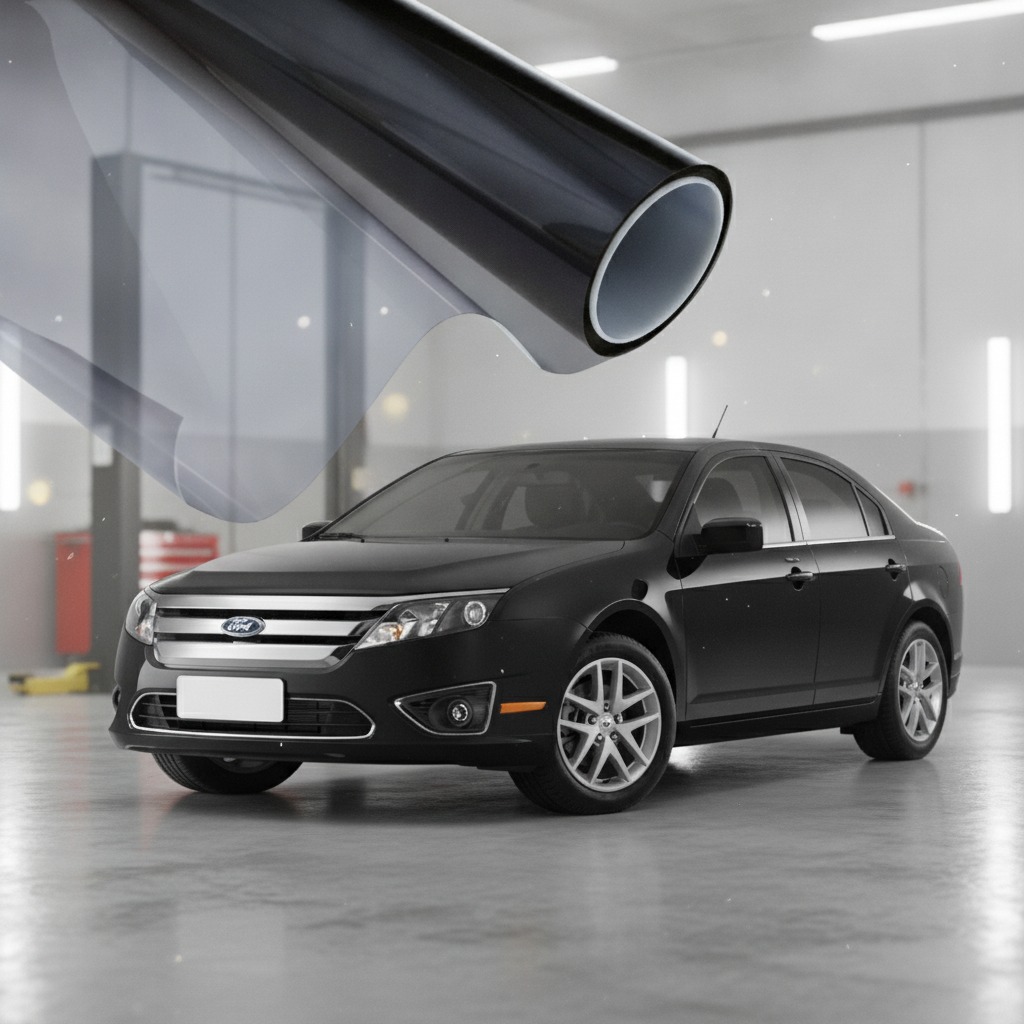
This automotive window tint film is presented as a roll of transparent-to-smoky dark sheet material for vehicle glass. Visually, it has a smooth glossy outer surface with a darker appearance and a lighter translucent layer beneath, suggesting a multi-layer film structure. The material is thin and flexible, which is what installers need when working around curved side windows, rear glass, and other glazing surfaces. The roll format also supports easier storage, handling, and cutting during preparation.
Because the visible product details do not reveal the exact polymer type, adhesive system, or performance rating, the safest description is to treat it as a general automotive tinting film rather than a specialized premium-grade film with assumed technical claims. Buyers who source from a car film factory often evaluate the roll first by appearance, handling feel, and consistency of color before testing optical performance in their own market.
What Problems This Car Film Helps Solve
Automotive glass can let in strong light and create discomfort during daytime driving. On side windows and rear windows, that brightness may cause eye strain, make the cabin feel hotter, and expose the interior to more visual access from outside. Car film addresses these concerns in a direct way by adding a tinted layer to the glass surface.
In practical terms, the film may help with:
1. Glare management
By lowering visible brightness, the film can make long drives and stop-and-go traffic more comfortable, especially when the sun is low in the sky.
2. Privacy improvement
A darker sheet makes it harder for passersby to see into the cabin. That is useful for family cars, shuttle vehicles, and any vehicle carrying stored items or personal belongings.
3. Appearance enhancement
The smooth dark finish can give the vehicle a more uniform, purposeful look, especially when the tint level is matched across multiple windows.
4. Interior comfort support
Although exact heat rejection performance is not shown, many buyers choose tint film because reducing direct sunlight can help make the cabin feel less exposed during parking and daily use.
Visible Specifications and Capabilities
From the provided image-based information, the following characteristics are visible or reasonably inferred without overclaiming:
Roll form supply
The product is supplied as a continuous roll, which is convenient for cutting to size in retail, workshop, or installation settings.
Flexible sheet structure
The film appears thin and pliable, suitable for flat or mildly curved glass surfaces.
Dark tinted appearance
The outside face looks glossy and dark, while the internal layer appears lighter gray and translucent. This suggests a layered visual effect, though exact construction is not identifiable from the image alone.
Uniform edges
The edges shown are clean and consistent, an important sign for buyers who expect stable roll quality and easier trimming during installation.
Automotive glazing use
The product is intended for vehicle windows, including passenger car side windows and rear windows. A windshield sun strip may be considered in some markets, but final use depends on local regulations.
Materials and Finish Options
The exact composition is not visible, so it should not be described as dyed, carbon, ceramic, or metalized unless confirmed by the supplier. What can be discussed safely is the general finish profile and how buyers typically compare options in this category.
In the market, automotive tint films are often selected by visible shade, surface gloss, and overall clarity. Some buyers prefer a deeper black look for stronger privacy. Others want a slightly lighter tone that preserves more outward visibility from the cabin. This product appears to sit in the moderate-to-dark range based on the supplied image data.
Surface finish also matters. A glossy finish can look polished on clean glass, while a lower-reflective appearance may suit buyers seeking a quieter visual profile. The right choice depends on the vehicle type, target customer, and local legal requirements.
Manufacturing and Conversion Considerations
Although the exact production method is not provided, car film in this category is commonly made through coating, laminating, or tint-layer processing and then wound into rolls for distribution. For a buyer, the key concerns are less about the internal chemistry and more about consistency from roll to roll.
Useful questions to ask a supplier include whether the tint shade is stable across batches, whether the roll unwinds smoothly, and whether the film can be cut and positioned without edge distortion. A car film factory supplying multiple markets usually needs to manage coating uniformity, roll packing, and surface protection carefully so installers receive material that is ready for clean handling.
Typical Application Scenarios
This type of car film fits a broad set of vehicle-related use cases.
Passenger car side windows
Side glazing is one of the most common installation areas because drivers and passengers benefit immediately from reduced glare and improved privacy.
Rear windows
Rear glass often receives stronger sun exposure, making it a logical place for darker tint film when allowed by local rules.
Fleet and ride-service vehicles
Vehicles that spend long hours on the road can benefit from a more controlled cabin environment and a cleaner, more uniform exterior presentation.
Auto accessory retail and tint shops
Retailers and installers can stock the film in roll form, then cut it according to vehicle type and customer preference. That makes inventory planning easier than holding many pre-cut variants.
Quality Control and Buyer Checks
Since exact test data is not supplied, buyers should focus on practical inspection points before committing to volume purchase.
Visual consistency
Check that the tint shade is even across the roll and does not show streaks, patches, or color jumps.
Edge quality
Uniform edges make installation easier and reduce waste during trimming.
Surface clarity and defects
Inspect for dust inclusion, bubbles, scuffs, or waviness that could show through on glass.
Handling behavior
Assess whether the film can be positioned smoothly and whether it maintains a stable sheet form during cutting and application.
Packing protection
Roll packaging should protect the film from denting, edge damage, and contamination in transit.
Customization Guidance
When sourcing car film for business use, customization usually matters as much as the base product. Buyers can often define the tint appearance, roll dimensions, branding, and packaging style depending on supplier capability. For example, a distributor may want standard roll widths for common vehicle glass sizes, while a workshop may request packing that supports quicker shelf identification.
If you are purchasing for different climate zones or customer groups, consider offering more than one shade level. A darker product can suit privacy-focused buyers, while a lighter version may be easier to sell in markets where visibility concerns are stronger. When discussing specifications with a supplier, ask for sample rolls and verify how the film looks on real glass under daylight and indoor lighting.
Buyer Decision Factors
Choosing the right car film is not only about how dark it looks. Buyers should weigh the following points carefully:
First, confirm whether the tint shade aligns with local regulations for side windows, rear windows, or front glass use. Second, evaluate how the film handles during installation because even a visually attractive roll can become costly if it is difficult to cut or align. Third, look at batch consistency, since customers notice variation quickly when multiple vehicles are serviced.
It is also sensible to compare surface finish, perceived privacy, and after-sale customer expectations. Some end users want maximum shade; others want a balanced look that still allows comfortable outward visibility. A responsible supplier should be able to explain what the roll is designed to do and what it is not designed to promise.
Why This Format Works for B2B Buyers
For distributors, installers, and wholesale buyers, roll-supplied car film is a flexible inventory format. It can support different order sizes, reduce the need for vehicle-specific pre-cut stock, and allow local labor to shape the final fit. The product is also easy to display in a showroom or parts warehouse because the visible tint level can be shown directly on a sample piece or through demonstration glass.
If your business serves drivers who want sunlight control, privacy enhancement, and a cleaner vehicle appearance, this category offers a straightforward, reusable supply chain item with broad market demand.
Request Samples and Confirm Fit Before Mass Purchase
Before placing a large order, ask for samples, inspect the tint under real lighting, and confirm how the film behaves during application on vehicle glass. That small step helps avoid mismatches in shade, appearance, or installation performance. If you need a stable source for window tint film, speak with a supplier that can support your required roll format, packaging needs, and market expectations.
Contact your supplier to request samples, discuss available widths or packaging options, and build a car film supply plan that matches your installation workflow.
评价
Clear filters目前还没有评价