
Hospital Infectious Waste Management: Safeguarding Health and the Environment
In the high-stakes world of healthcare, effective hospital infectious waste management is not just a regulatory requirement but a critical pillar of patient safety and environmental stewardship. Picture a bustling hospital where streams of medical waste—contaminated sharps, soiled dressings, and biohazardous materials—flow through corridors and disposal areas. Without proper protocols, these hazards can spiral into outbreaks of infection or long-term ecological damage. This article delves into the nuances of hospital infectious waste management, exploring its importance, best practices, and innovative solutions like advanced medical waste disposal systems that ensure compliance and efficiency.
The Imperative of Hospital Infectious Waste Management
Hospital infectious waste management begins with understanding the diverse categories of waste generated in medical facilities. From syringes and bandages tainted with bodily fluids to expired pharmaceuticals, this waste poses immediate risks if not handled meticulously. Imagine the vivid scenario of a nurse disposing of a used IV line; one careless step could expose staff to pathogens like hepatitis or MRSA. Regulations from bodies like the WHO and EPA mandate segregation at the source, using color-coded bins to separate infectious from non-infectious materials. This foundational step prevents cross-contamination, ensuring that only true biohazards enter specialized treatment paths. Beyond immediate safety, robust management reduces the burden on landfills and incinerators, curating a cleaner planet. Facilities that excel in this area often integrate training programs, where staff learn to identify risks through hands-on simulations, fostering a culture of vigilance that permeates every shift.
Delving deeper, the process extends to transportation and storage. Waste must be double-bagged in leak-proof containers, transported in sealed vehicles to avoid spills during transit. Visualize a dedicated waste room in a hospital wing, equipped with negative pressure ventilation to contain airborne contaminants. Monitoring these areas with digital logs ensures traceability, a key aspect of auditing compliance. Challenges arise in under-resourced settings, where budget constraints might lead to makeshift solutions, but innovative approaches are bridging these gaps. For instance, adopting modular storage units that compact waste on-site minimizes volume, easing logistics and cutting costs. Ultimately, hospital infectious waste management is about balancing human health with planetary well-being, a harmonious dance that protects both.
Navigating Medical Waste Disposal Challenges
Transitioning to medical waste disposal, the focus sharpens on transforming hazardous materials into safe, inert forms. Traditional methods like autoclaving use high-pressure steam to sterilize waste, rendering it non-infectious, while incineration reduces volume through intense heat, though it raises concerns about emissions. Envision flames devouring a load of contaminated linens in a high-tech incinerator, controlled to minimize dioxin release— a far cry from outdated, polluting practices. Modern medical waste disposal emphasizes sustainability; chemical treatments with disinfectants break down organic matter without energy-intensive processes. In high-volume hospitals, on-site facilities streamline operations, avoiding the perils of off-site hauling, where accidents could unleash biohazards en route.
Yet, disposal isn’t without hurdles. Stringent permits and frequent inspections demand unwavering adherence to protocols, and non-compliance can result in hefty fines or shutdowns. To counter this, many institutions partner with certified providers offering end-to-end services, from collection to final deposition in secure landfills. Picture a fleet of specialized trucks, GPS-tracked and equipped with spill-containment tech, ensuring waste journeys safely to treatment centers. Moreover, emerging technologies like plasma gasification vaporize waste at extreme temperatures, leaving behind vitreous slag for reuse in construction—a vivid testament to circular economy principles. Effective medical waste disposal, therefore, isn’t merely elimination; it’s a strategic process that mitigates risks while innovating for the future.
Best Practices in Biomedical Waste Handling
Biomedical waste handling elevates hospital infectious waste management to a science of precision and foresight. This encompasses everything from gloves handling sharps to technicians operating shredders that pulverize treated waste into unrecognizable fragments. Imagine a state-of-the-art facility where sensors detect improper segregation in real-time, alerting staff via mobile apps to correct course instantly. Training is paramount; annual workshops simulate emergencies, like a sharps injury, teaching rapid response with antidotes and reporting. Segregation remains key—red bags for infectious items, yellow for anatomical waste—preventing mix-ups that could amplify dangers.
Storage and treatment follow suit with equal rigor. Biomedical waste handling protocols dictate refrigerated units for pathological samples to curb decomposition odors and bacterial growth, while UV decontamination chambers provide an extra layer of sterilization. Transportation guidelines are ironclad: vehicles must bear biohazard placards, and drivers trained in emergency protocols. On the sustainability front, many facilities now recycle non-hazardous components, like plastics from packaging, diverting tons from landfills annually. Challenges like staff turnover necessitate ongoing education, but digital platforms with interactive modules keep knowledge fresh. Through these practices, biomedical waste handling transforms potential threats into managed routines, underscoring a commitment to holistic safety.
Innovative Solutions from Zhejiang Weidun Environmental Protection Tech
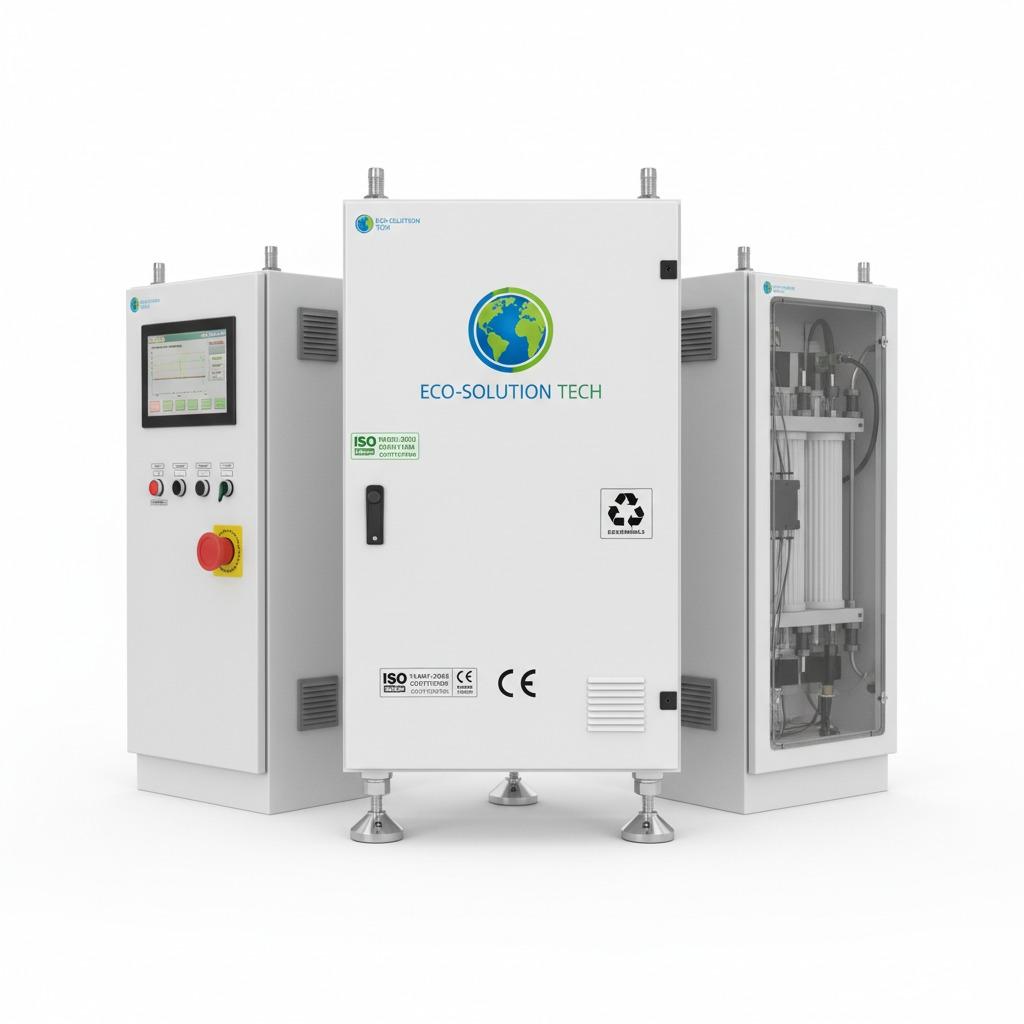
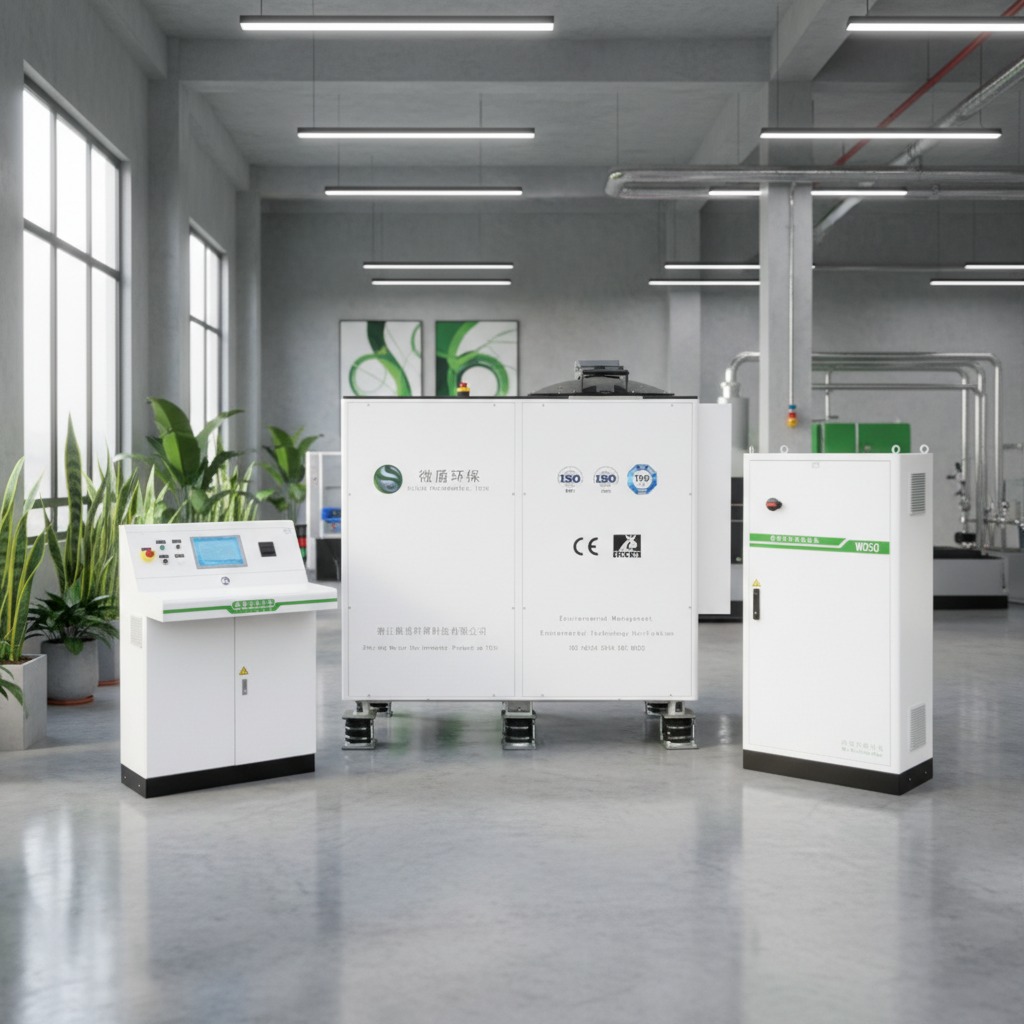
Enter the realm of cutting-edge innovation with Zhejiang Weidun Environmental Protection Tech’s state-of-the-art environmental management system, a game-changer for hospital infectious waste management. This compact, modular powerhouse is engineered for seamless integration into existing hospital infrastructures, optimizing medical waste disposal and biomedical waste handling with unparalleled efficiency. Certified with ISO and CE standards, it embodies reliability, featuring an intuitive touchscreen control panel that allows operators to monitor processes in real-time—imagine dashboards displaying temperature fluctuations and cycle completions with crystal clarity.
The system’s advanced precision control ensures thorough treatment of infectious waste, from autoclaving to shredding, all while minimizing energy use and emissions. Visualize it humming quietly in a hospital’s utility room, its modular design allowing easy expansion as needs grow, promoting eco-friendly practices without disrupting workflows. For biomedical waste handling, it offers automated segregation aids and decontamination modules that reduce human error, enhancing safety for staff and patients alike. Zhejiang Weidun’s dedication to sustainability shines through; this unit cuts down on transportation needs by enabling on-site processing, slashing carbon footprints and operational costs.
What sets this system apart is its user-centric design—ergonomic interfaces and low-maintenance components make it accessible even for smaller clinics. In a sector where downtime can be catastrophic, its robust performance guarantees uninterrupted service. Hospitals adopting this technology report up to 30% efficiency gains, underscoring its role in advancing medical waste disposal standards. As environmental pressures mount, solutions like this from Zhejiang Weidun not only comply with global regulations but propel the industry toward a greener horizon, vividly illustrating how innovation safeguards health and the earth.
In conclusion, mastering hospital infectious waste management through diligent medical waste disposal and biomedical waste handling is essential for modern healthcare. By embracing technologies like those from Zhejiang Weidun Environmental Protection Tech, facilities can navigate complexities with confidence, ensuring a safer, more sustainable tomorrow.